Rodrigo Duterte was formally indicted today by the International Criminal Court for alleged crimes against humanity linked to his controversial drug war, marking a historic moment in international accountability efforts against the former Philippine president. The ICC move comes despite the Philippines officially withdrawing from the court in 2019, raising questions about jurisdictional authority and the future of the Marcos-Duterte political alliance.
Background of the Investigation
The indictment stems from thousands of deaths that occurred during Duterte's presidency from 2016 to 2022, when police operations and vigilante killings swept across the country as part of the administration's fierce anti-drug campaign. Human rights organizations have long documented what they describe as systematic violations, claiming that thousands of mostly poor suspects were killed in operations that often lacked proper warrants or due process. The ICC launched its formal investigation in 2021 after the Philippines failed to adequately prosecute cases domestically, finding sufficient evidence to proceed with charges against the former president and his associates.
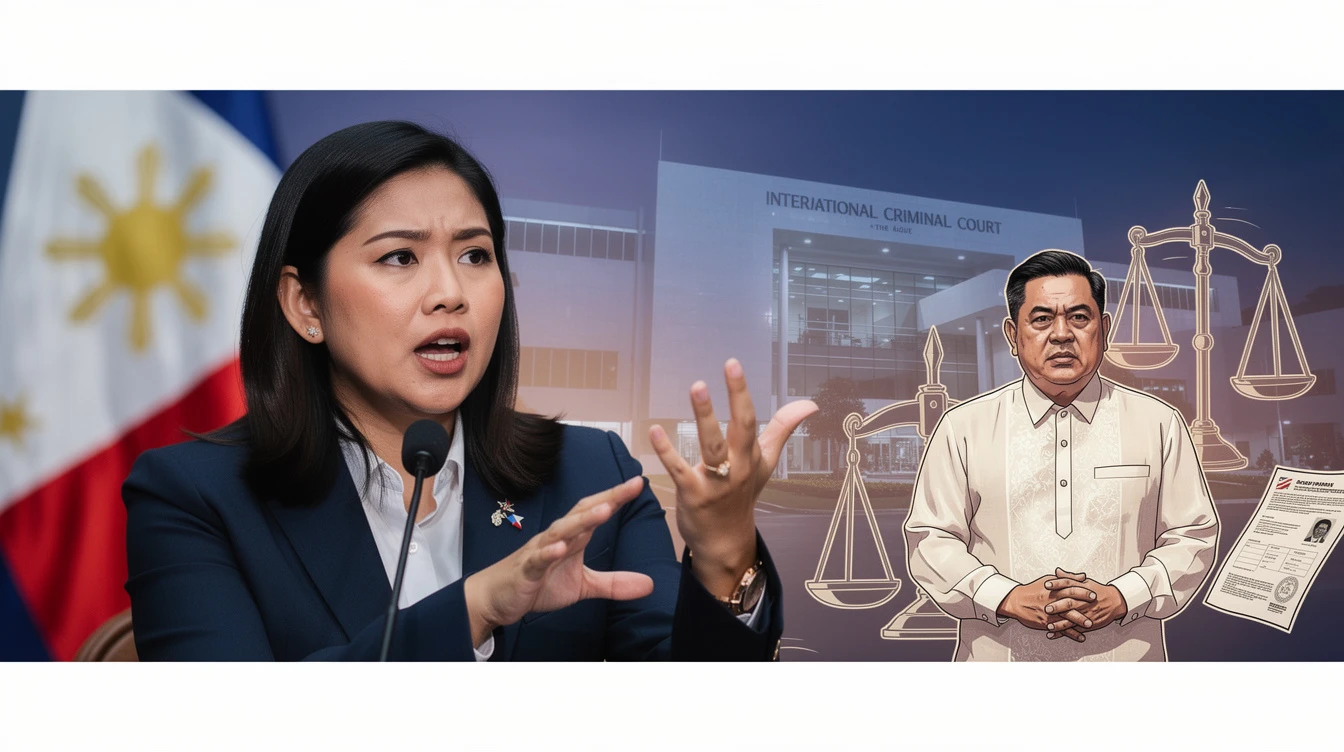
"This is a politically motivated attack on our sovereignty," Justice Secretary Jesus Remulla stated, echoing the government's position that the ICC has no jurisdiction over Philippine citizens since the country withdrew from the Rome Statute. "We will not recognize this indictment and will continue to defend the sovereignty of our nation against foreign interference."
Government officials have maintained that the ICC probe represents an infringement on Philippine sovereignty, arguing that domestic courts have the capacity to address any allegations of wrongdoing. The Palace has not yet issued an official statement regarding the indictment, though allies of the former president have quickly rallied to his defense, calling the ICC move a Western-backed attempt to undermine Philippine leadership.
Human Rights Community Responds
For human rights advocates, the indictment represents years of advocacy and documentation work finally bearing fruit. Families of victims have waited patiently for international justice as domestic mechanisms failed to hold anyone accountable for the thousands of deaths documented during the drug war. The ICC's decision to proceed despite the Philippines' withdrawal signals that the court believes it has jurisdiction over crimes committed while the country was still a member state.
"Justice for the victims is finally within reach," said Human Rights Watch representative Carlos Conde. "This indictment sends a powerful message that even former heads of state can be held accountable for crimes against humanity. The families who have waited years for this day can finally see a path toward closure and accountability."
Human rights groups have welcomed the development as a crucial step toward ending impunity, though they caution that the legal process could take years to conclude. The ICC operates independently of Philippine courts, meaning any trial would likely occur at The Hague rather than in Manila, potentially complicating logistics for witnesses and families of victims who wish to participate in proceedings.
Political Implications for 2028 Elections
The indictment threatens to reshape the political landscape ahead of the 2028 presidential elections, potentially dividing Duterte allies in Congress and straining the currently fragile Marcos-Duterte coalition that has governed the country since 2022. Senator Ronald dela Rosa, who served as police chief during the drug war's deadliest period, has already expressed solidarity with the former president, while other allies have remained conspicuously silent on the issue.
Political analysts suggest the indictment could force members of the ruling coalition to choose between loyalty to the Marcos family or maintaining ties with the powerful Duterte political machinery. Vice President Sara Duterte, who served as education secretary under Marcos, has not publicly addressed the indictment, though she remains the daughter of the indicted former president and would likely face pressure to take a clear stance. The timing of the indictment, coming months before the 2025 midterm elections, could influence how voters view candidates connected to either political family.
The coalition between President Ferdinand Marcos Jr. and the Dutertes has always been viewed as an uneasy alliance of convenience, with both families maintaining separate political bases and ambitions. The ICC indictment may accelerate tensions that have been building since Sara Duterte resigned from the Cabinet last year, with observers watching closely for any public break between the two families that could signal broader realignment in Philippine politics.
Next Steps and Legal Process
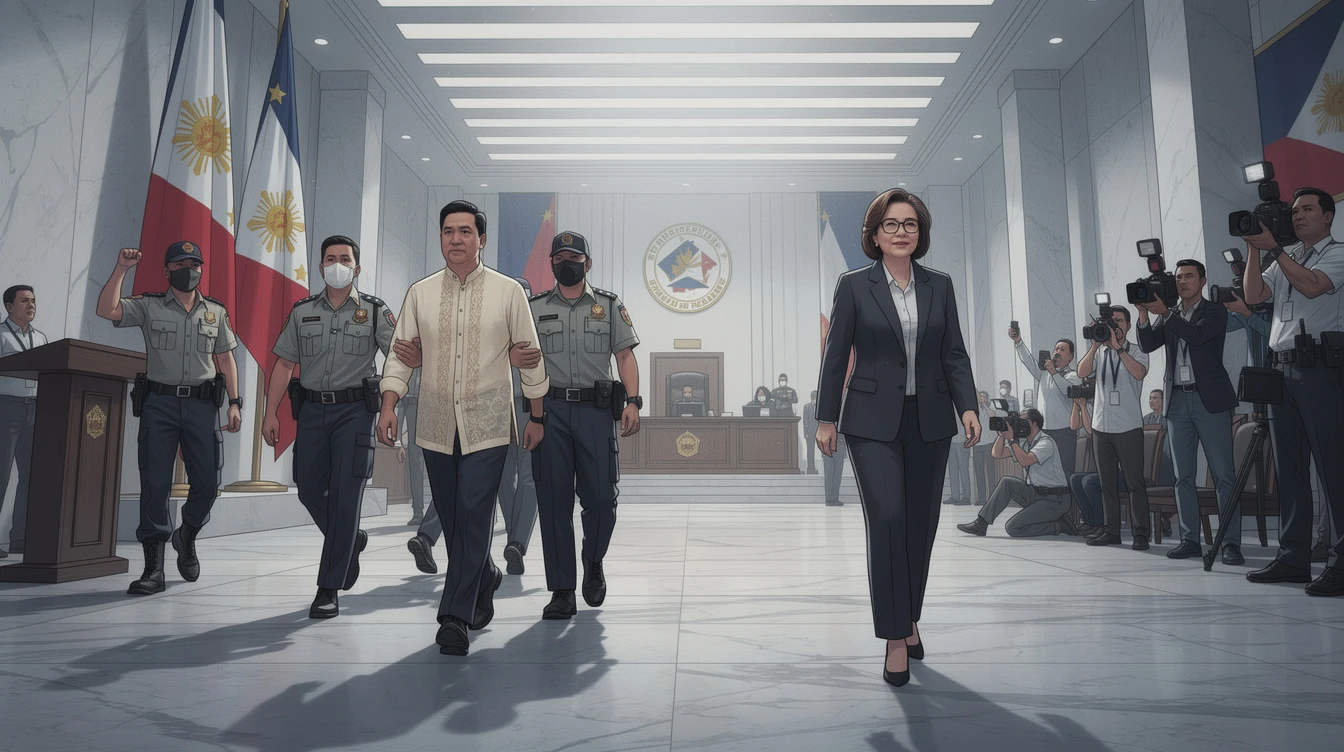
Legal experts note that the ICC indictment does not immediately trigger an arrest warrant, as the court follows a structured process that includes confirmation hearings and opportunity for the accused to respond to charges. The Philippines, having withdrawn from the Rome Statute, would not be obligated to cooperate with the ICC, raising questions about how any potential trial could proceed. International pressure and diplomatic consequences could influence whether Manila ultimately engages with the court's proceedings.
The former president could choose to ignore ICC summons, though this would limit his ability to travel internationally without risking arrest in member nations. Duterte's allies in Congress could move to pass resolutions opposing the court's jurisdiction, though such measures would be largely symbolic given international law considerations. The Senate, where Duterte loyalists remain influential, could become a battleground for debates over how aggressively the Philippines should respond to what government officials characterize as foreign interference.
This development marks the first time a sitting or former Philippine president has faced international criminal charges, representing a significant moment for accountability mechanisms in Southeast Asia. Human rights organizations have long argued that the drug war's scale and documentation warranted international scrutiny, and today's indictment validates years of advocacy work by victims' families and civil society groups seeking justice outside Philippine courts.
Sources: newsinfo.inquirer.net, abs-cbn.com/news/nation, pna.gov.ph