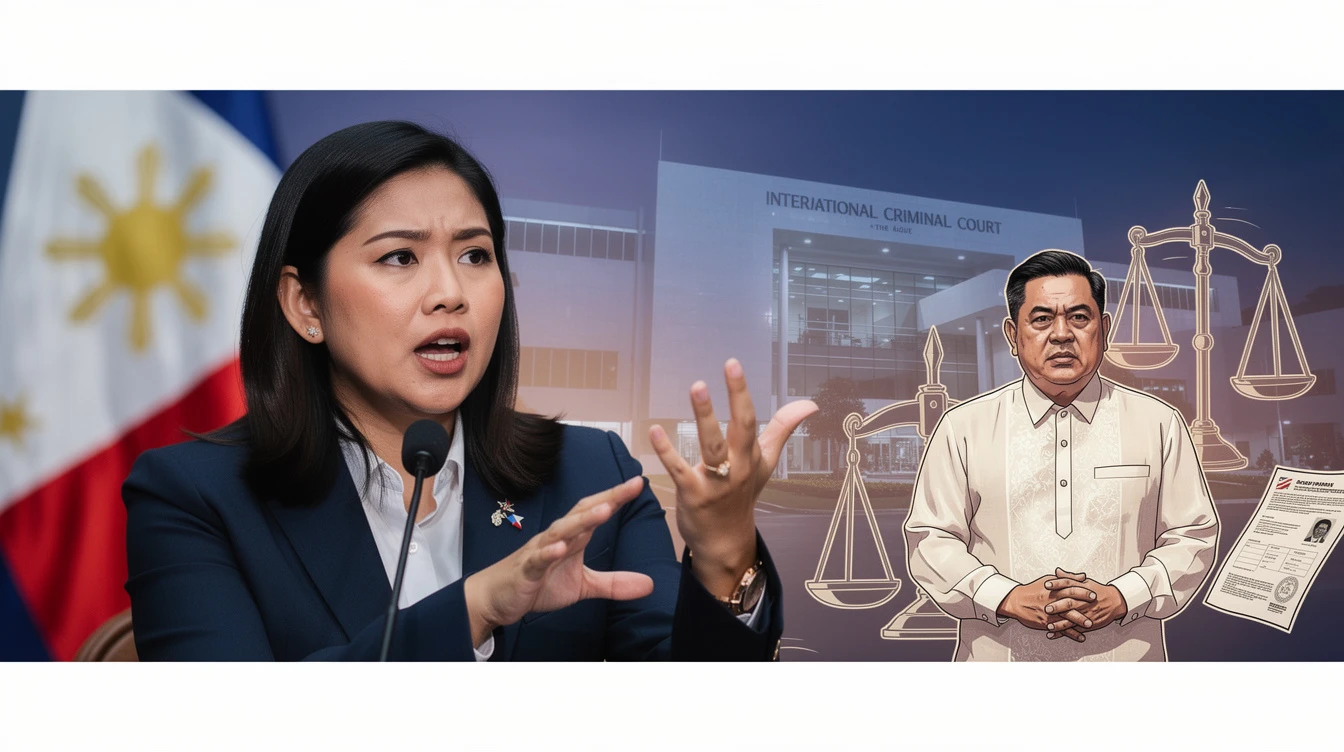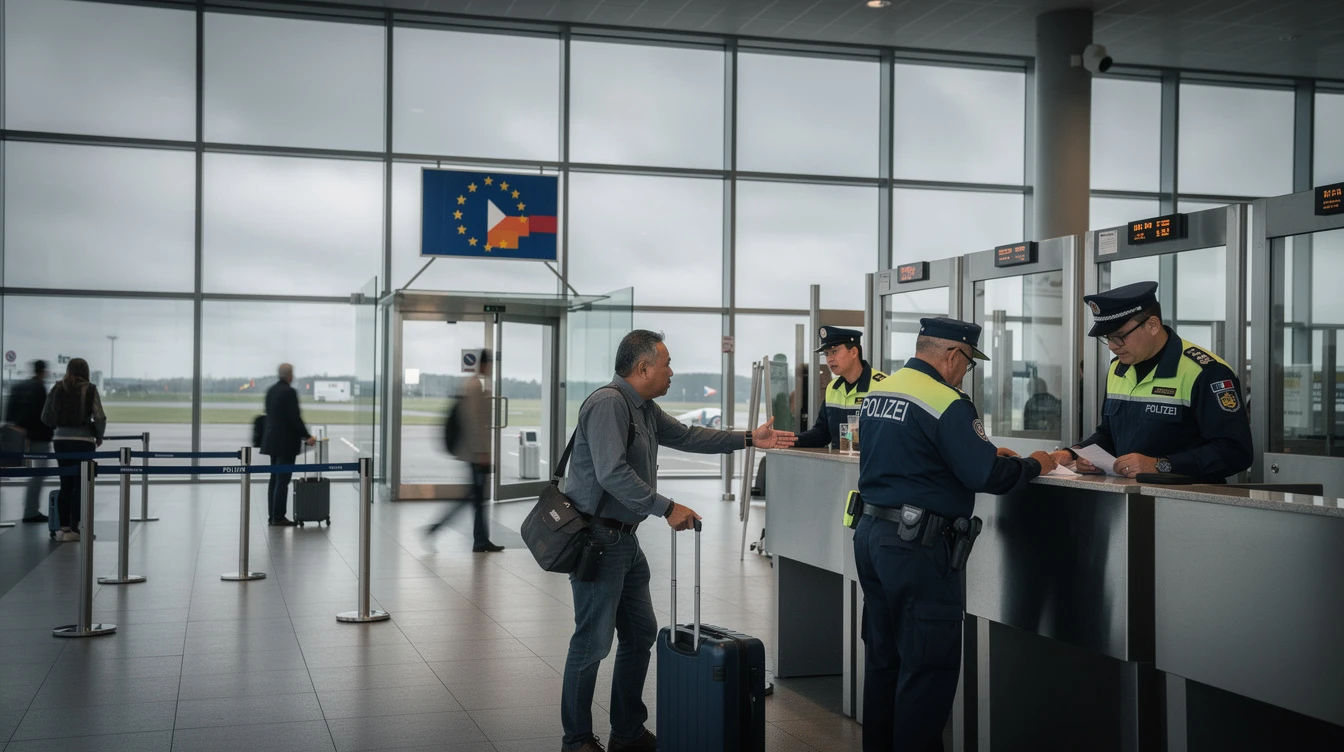
German authorities have prevented Zaldy Co , a Filipino businessman wanted in the Philippines for serious criminal charges, from crossing their border due to a lack of proper travel documents, according to Interior Secretary Benhur Abalos . The incident occurred recently as Co attempted to enter Germany from the Czech Republic, where he was reportedly residing with family.
This development directly impacts the Philippine government's ongoing efforts to extradite Co to face justice in Manila. Per Secretary Abalos's statement, Co was refused entry and subsequently returned to Czech territory, creating a new jurisdictional hurdle for Philippine law enforcement agencies coordinating with European counterparts.
Philippine
The case underscores the complex international legal challenges in apprehending high-profile fugitives. Zaldy Co is facing charges in the Philippines related to large-scale estafa and violations of the Securities Regulation Code. His attempted border crossing and subsequent denial highlight the critical role of international cooperation and proper documentation in transnational law enforcement.
According to the report from the Department of the Interior and Local Government (DILG), the incident was confirmed through official channels. The Philippine government has been actively seeking Co's repatriation, making this border refusal a significant, though complicating, event in the pursuit.
Secretary Abalos emphasized that the Philippine National Police (PNP) and the National Bureau of Investigation (NBI) continue to work with foreign agencies. The goal remains to bring Co back to the Philippines to stand trial. The lack of valid documents at the German border now adds a layer of immigration scrutiny to the existing legal proceedings.
Fugitive
This event serves as a reminder of the global reach required for Philippine justice. Fugitives often seek refuge in countries with different legal systems, necessitating lengthy diplomatic and legal processes. The government's persistence in this case signals its commitment to pursuing individuals accused of major financial crimes, regardless of their location.
For the Filipino public and overseas Filipino workers (OFWs), this news reinforces the importance of adhering to international travel and immigration laws. It also demonstrates that Philippine authorities are monitoring and acting upon the movements of individuals wanted for crimes affecting the nation's economy and citizens.
Zaldy
The next steps involve continued coordination between the Philippine Department of Justice, the DILG, and European law enforcement to navigate the legal pathways for Co's potential extradition from the Czech Republic. The border incident has firmly placed his status under a European spotlight.
This case holds significance for Filipino readers as it tests the efficiency of the country's international legal agreements and its resolve to hold influential figures accountable. A successful extradition would set a powerful precedent for future cases involving fugitives who flee abroad.