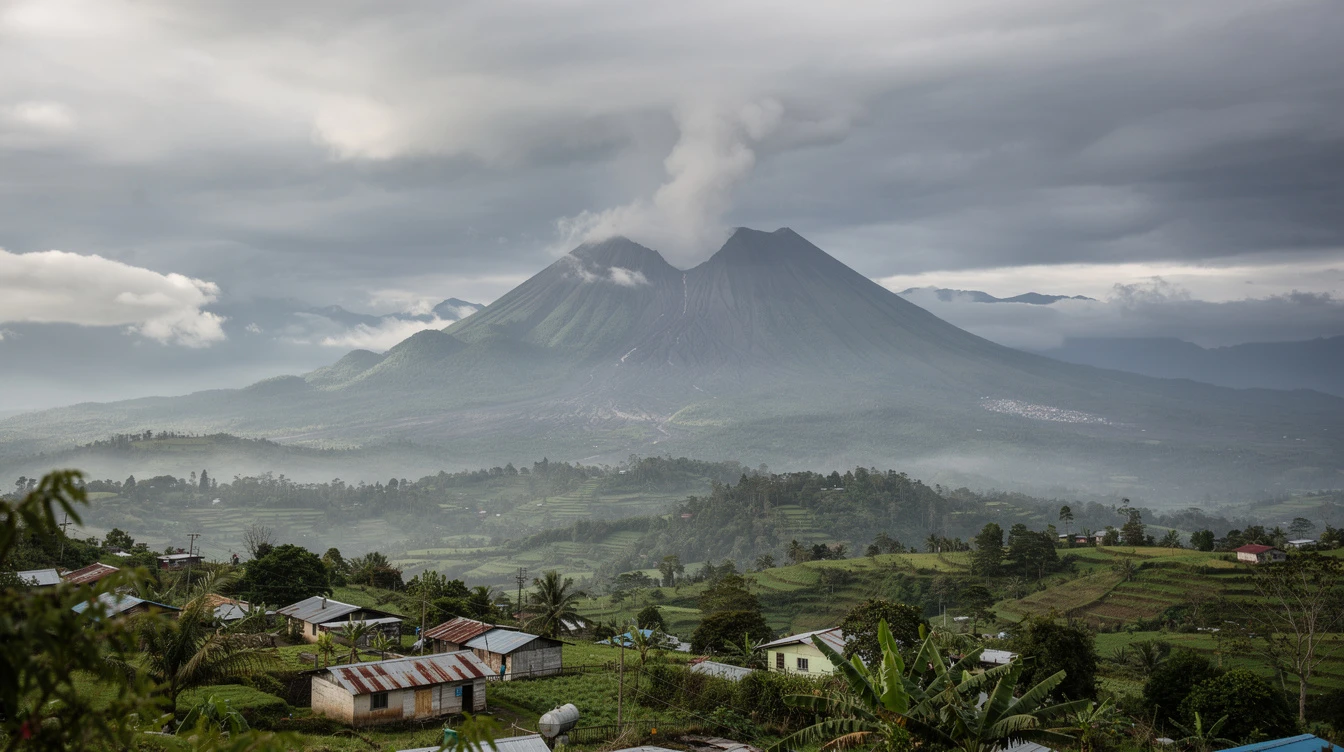
Bulusan Volcano in Sorsogon province was placed under Alert Level 1 on Sunday, March 22, after weeks of increased seismic activity. The Philippine Institute of Volcanology and Seismology (Phivolcs) announced the upgrade, signaling the volcano has entered low-level unrest with an elevated probability of sudden phreatic eruptions.
Volcano Enters Low-Level Unrest Period
Phivolcs Raises Alert After Weeks of Seismic Swarms
Prior to this elevation, Bulusan had been under Alert Level 0, indicating normal background activity. The shift to Level 1 means the public should refrain from entering the designated 4-kilometer Permanent Danger Zone around the volcano's summit.
What Alert Level 1 Means for Local Communities
Phreatic eruptions occur when groundwater is rapidly heated by magma, causing violent steam explosions that can eject rocks, ash, and volcanic debris. Unlike magmatic eruptions, these events can materialize with little to no warning.
Heightened Monitoring and Preparedness Measures
Government Agencies on Standby
Local government units in Sorsogon have begun coordinating with national agencies to ensure evacuation plans are in place. Disaster risk reduction offices are urged to monitor Phivolcs bulletins and communicate developments to residents in high-risk barangays.
The Office of Civil Defense and regional police forces are prepared to support evacuation operations. No forced evacuation orders have been issued as of this writing.
Residents Advised to Stay Informed
Phivolcs emphasized that residents must avoid speculating about volcanic behavior and rely on official updates. The institute maintains seismometers and monitoring equipment that provide real-time data on ground deformation, gas emissions, and seismic patterns.
Citizens near the volcano should listen to local authorities and monitor Phivolcs advisories. Wearing dust masks during ashfall events and securing livestock in covered shelters are recommended for those within danger zones.
Bulusan's History of Sudden Eruptions
A Volcano Known for Unpredictability
Mount Bulusan has a documented history of phreatic eruptions that have surprised observers. The volcano's frequent sudden explosions contrast with the gradual buildup seen at other Philippine volcanoes like Taal or Mayon.
Its propensity for generating ash plumes with little warning has made it a persistent concern for Phivolcs and local disaster managers. The current unrest underscores the importance of respecting hazard boundaries and maintaining readiness even during quiet periods.
Ongoing Vigilance as Situation Evolves
Phivolcs continues to closely observe Bulusan's activity and will provide updates as conditions change. Alert Level 1 is the lowest tier of volcanic warning but still demands respect and adherence to safety protocols.
Cooperation between government agencies, local officials, and residents will be crucial in minimizing risks as the situation develops.