World Bank President Ajay Banga warned Tuesday that the ongoing Middle East conflict could reduce global economic growth by 0.3 to 0.4 percentage points in a baseline scenario. The cascading economic impacts will reach the Philippines through higher oil prices and risks to overseas Filipino workers.
Banga emphasized the conflict's potential to disrupt global supply chains and energy markets during a fragile ceasefire period. This slowdown directly threatens the Philippines' export-dependent economy and its crucial remittance inflows from the Middle East.
International Monetary Fund Managing Director Kristalina Georgieva separately confirmed the IMF will lower its global growth forecasts. She highlighted the war's damaging effects on regional stability and worldwide economic confidence.
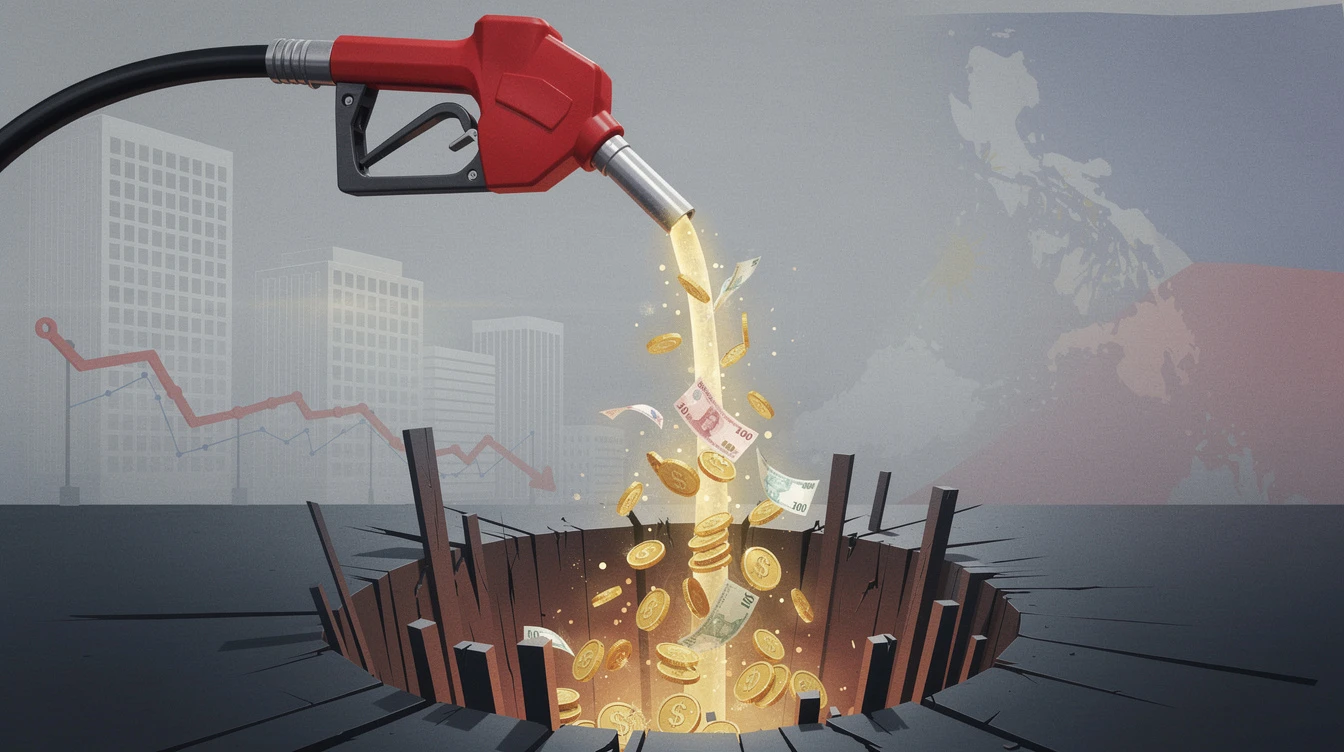
The Philippine economy faces a dual threat from this projected slowdown. Higher global oil prices will increase inflation and transportation costs for millions of Filipino families already struggling with prices.
Over 2.3 million documented OFWs reside and work in the Middle East, primarily in Saudi Arabia and the UAE. Their safety and continued employment are now under a cloud of geopolitical uncertainty.
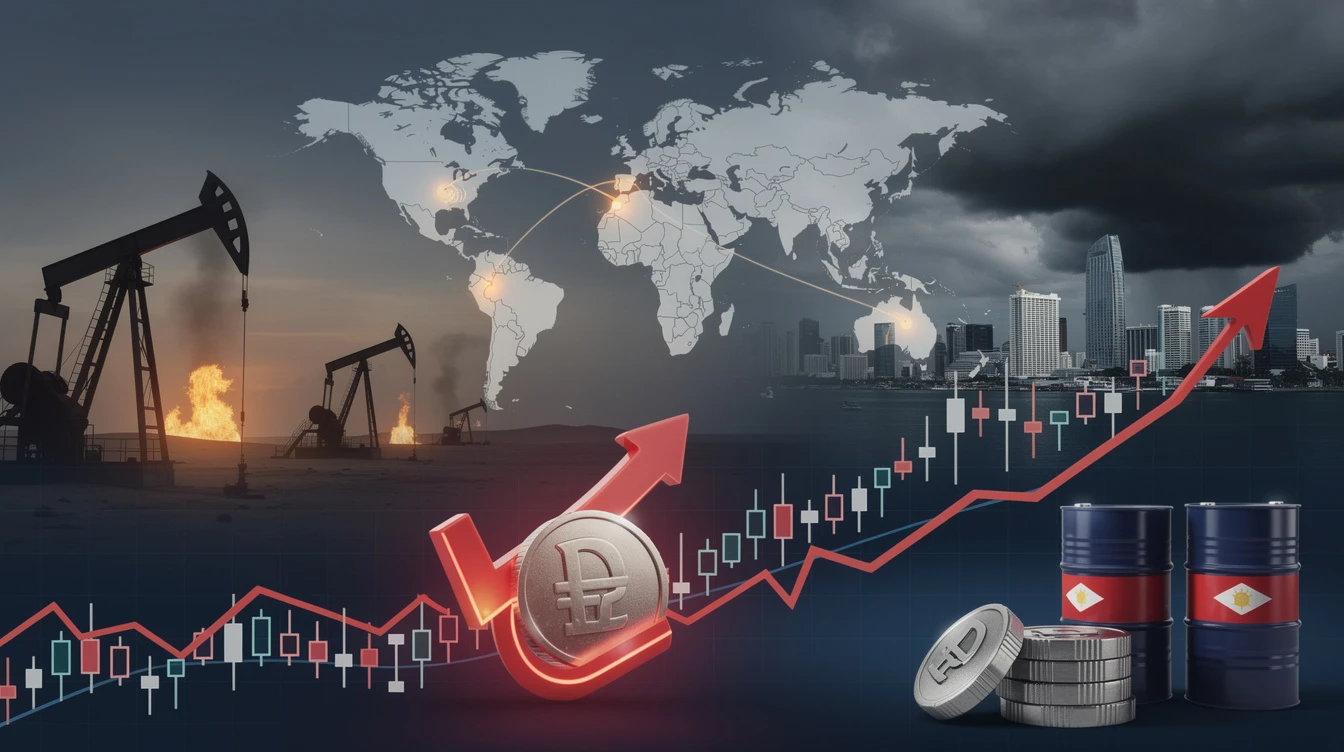
Remittances from the Middle East, which totaled over $7.5 billion in 2023, are a critical pillar of Philippine domestic consumption. Any disruption could weaken the peso and reduce household spending power nationwide.
The Bangko Sentral ng Pilipinas and the National Economic and Development Authority are monitoring the situation closely. Economic managers must prepare contingency plans for potential oil price shocks and OFW repatriation.
Global financial markets have reacted with volatility, affecting Philippine stock and currency markets. Investors are seeking safer assets, which could lead to capital outflows from emerging economies like the Philippines.
The World Bank's warning underscores how distant conflicts can deliver immediate economic pain to Filipino households. The government's response to potential oil subsidies and OFW welfare will be tested in the coming months.
This development matters profoundly for the Philippines because economic growth and poverty reduction are heavily reliant on stable global conditions. A sustained Middle East conflict threatens to increase inflation, reduce remittances, and derail the country's post-pandemic recovery, impacting every Filipino from motorists to families dependent on overseas wages.