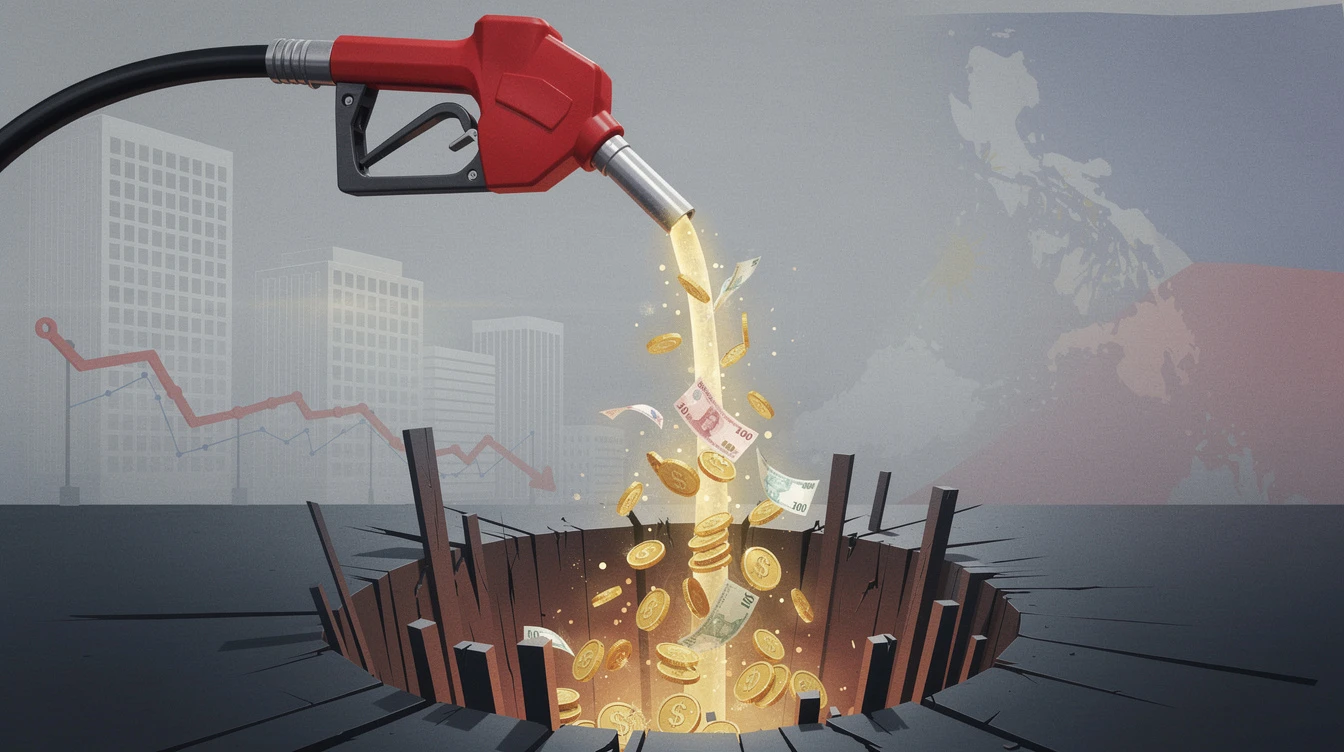
Energy Secretary Sharon Garin warned on Friday that the Philippine government could lose approximately P170 billion in annual revenue if the value-added tax (VAT) on fuel products is removed. The statement came amid renewed legislative proposals to suspend or scrap the tax to provide consumer relief.
Garin emphasized that such a massive revenue loss would severely impact the national budget. The funds currently support critical government programs and infrastructure projects across the archipelago.
"The estimated P170 billion per year is a significant portion of our fiscal resources," Garin stated. She explained that the revenue supports social services, healthcare, and education initiatives that benefit millions of Filipinos.
The Energy Secretary's warning aligns with earlier cautions from economic managers. They have consistently argued that untargeted fuel subsidies are fiscally unsustainable for the Philippine economy in the long term.
Removing the 12% VAT on petroleum products has been a recurring political issue. Lawmakers often propose it during periods of high global oil prices to ease the burden on consumers and transport sectors.
However, the Department of Finance has historically opposed such measures. They argue it would deprive the government of funds needed for economic development and debt servicing.
For Filipino households, the debate pits immediate relief against long-term stability. Lower fuel prices could reduce transportation and goods costs, but lost revenue might mean fewer public services.
The potential P170 billion loss represents a major policy challenge for the Marcos administration. It must balance populist demands with responsible economic management.
OFW families relying on remittances are also affected. Government services funded by tax revenues provide a safety net for many households across the country.
Economic analysts note that targeted subsidies for jeepney drivers and farmers may be more sustainable. This approach would protect vulnerable groups without crippling the national treasury.
The Philippines' debt-to-GDP ratio remains elevated post-pandemic. A large revenue loss could limit the government's ability to invest in future growth and job creation.
Secretary Garin's statement sets the stage for intense congressional debates. Lawmakers will weigh short-term popularity against the nation's fiscal health in coming sessions.
This issue matters deeply to every Filipino because it directly impacts both household budgets and national development. The P170 billion at stake could fund thousands of classrooms, healthcare facilities, and infrastructure projects that drive economic progress.
Choosing between immediate price relief and long-term investment is a fundamental dilemma. The government's decision will reveal its priorities for navigating economic challenges facing ordinary citizens.
Ultimately, the fuel VAT debate highlights the difficult trade-offs in Philippine economic policy. It underscores how global commodity prices directly affect local governance and service delivery nationwide.