The Department of Health (DOH) announced Sunday it is actively monitoring medicine prices in the Philippines amid a global fuel crisis triggered by escalating Middle East tensions.
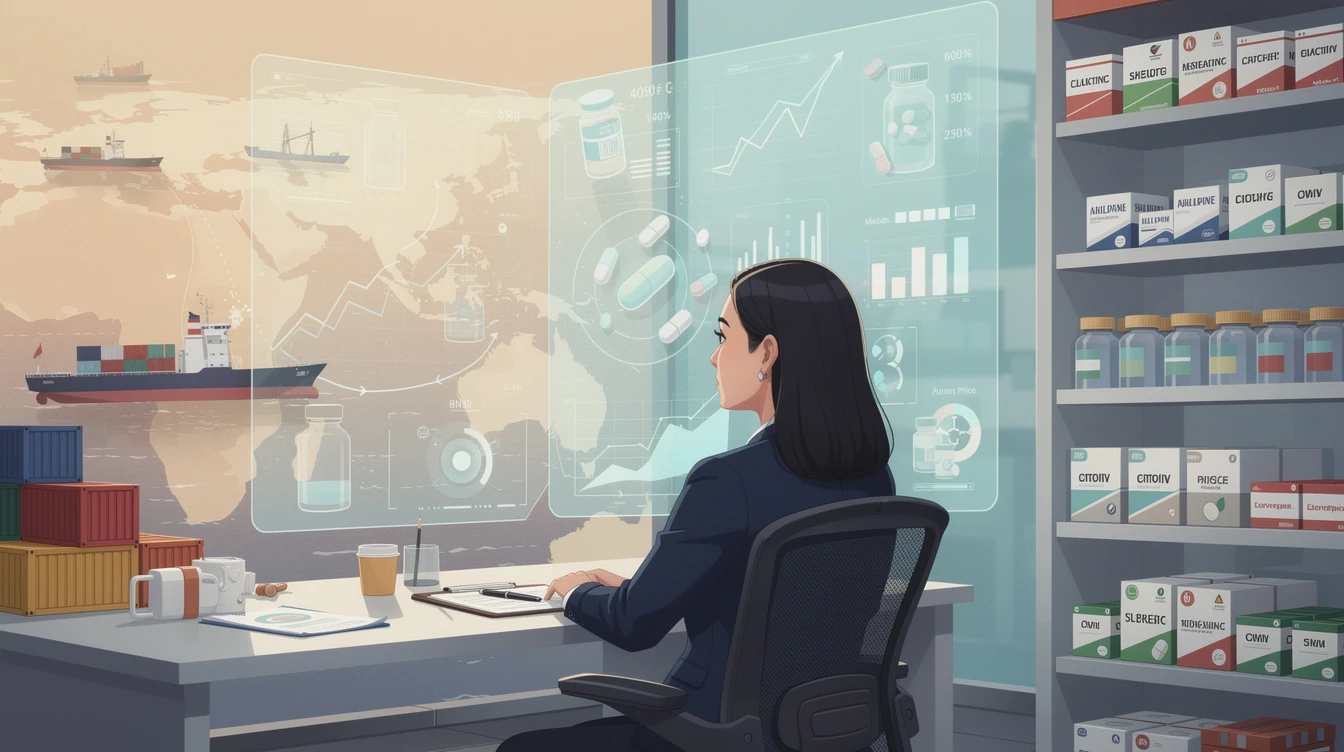
Health officials stated they are watching products, including essential drugs, that rely on international logistics which could be disrupted by the conflict.
"We haven't seen any price increase yet but we are monitoring closely," a DOH spokesperson said regarding the current market situation.
"Like other commodities that rely on logistics, it could be affected," he added, highlighting the vulnerability of pharmaceutical supply chains.
The ongoing conflict between Iran and the Israel-US alliance has already pushed medicine prices in manufacturing hubs like India toward increases.
India is a major source of affordable generic medicines for the Philippines, making its market volatility a direct concern for Filipino consumers.
The DOH's vigilance aims to preempt any unjustified price surges and ensure the continuity of the Botika ng Bayan and Drugstore ng Bayan programs.
These government-initiated outlets provide lower-cost medicines to millions of Filipinos, particularly those from low-income families.
Any significant price hike in imported raw materials or finished drugs could strain these critical public health initiatives.
The department coordinates with the Department of Trade and Industry (DTI) and the Food and Drug Administration (FDA) for market surveillance.
This inter-agency effort tracks inventory levels and investigates any abnormal price movements in pharmacies nationwide.
Officials are also assessing the stockpiles of medicines for non-communicable diseases like hypertension and diabetes.
These are among the most commonly purchased maintenance drugs by Filipino patients and are often imported.
The potential impact stems from rising global oil prices, which increase shipping and freight costs for all imported goods.
Most of the Philippines' pharmaceutical raw materials and finished products are sourced from abroad, primarily from India and China.
Longer shipping routes or insurance premiums due to regional instability could further inflate final consumer prices.
For the vast network of Overseas Filipino Workers (OFWs), this news is critical as they often send medicines home to family members.
Increased costs would add another financial burden on families already managing remittances for healthcare needs.
The DOH assures the public that current supplies remain stable and there is no immediate cause for panic buying.
They encourage consumers to report any observed drastic price increases to authorities for immediate action.
The situation underscores the Philippines' dependency on global supply chains for essential health commodities.
It may accelerate discussions on enhancing local pharmaceutical manufacturing capabilities for long-term security.
For now, the government's proactive monitoring serves as the first line of defense for Filipino patients' pockets.
The DOH's alert status reflects a broader economic concern where distant geopolitical conflicts directly affect everyday living costs in the Philippines.