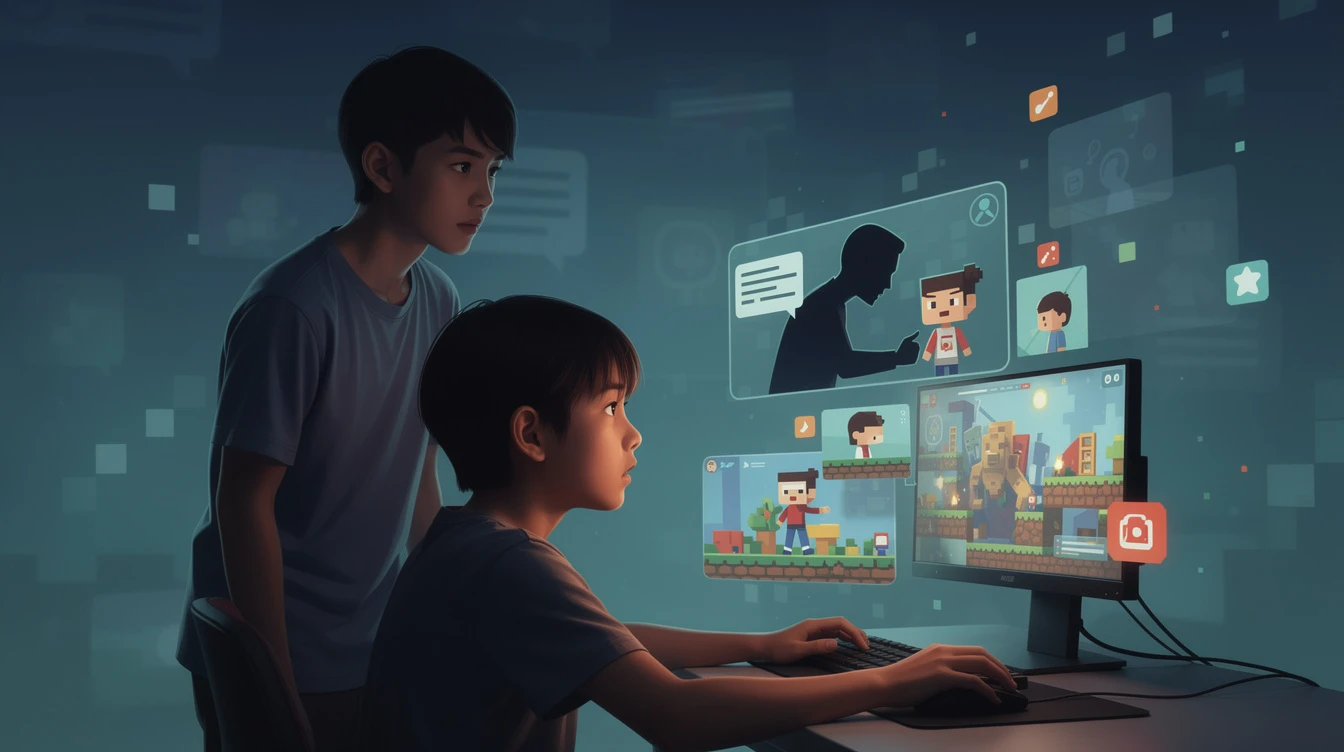
A family in DeKalb County, Georgia, has filed a lawsuit against the online gaming platform Roblox, alleging their teenage son was groomed by a predator through the platform. The legal action follows a tragic school shooting in Dicap County where nine people, including the shooter, died. Roblox confirmed it has removed the shooter's account.
The lawsuit claims the platform's features enabled harmful contact, a serious allegation given Roblox's massive popularity among children. Before removal, the gunman's virtual "experience" on Roblox involved a character using weapons to shoot others. This digital activity is now under scrutiny as part of a broader investigation into the shooter's motivations and online influences.
Roblox Corporation stated, "We have zero tolerance for any behavior that endangers the safety of our community." The company emphasized its investment in human and automated moderation systems designed to detect and prevent harmful interactions. However, the lawsuit argues these measures failed to protect the involved minor.
This case arrives as Philippine authorities and parents express growing concern over children's online safety. With over 43 million active Roblox users in the Philippines, predominantly aged 9-15, the platform's influence is immense. Many Filipino children spend hours daily in its virtual worlds, often with minimal supervision.
The Department of Information and Communications Technology (DICT) has repeatedly warned about online predators targeting Filipino youth. "The immersive nature of gaming platforms can blur lines for children," a DICT cybersecurity advisor told PinoyPulse. "Parents must be as vigilant online as they are in physical spaces."
For the vast Filipino Overseas Foreign Worker (OFW) community, the news is particularly distressing. Parents working abroad often rely on digital platforms like Roblox to connect with children back home. This case highlights the dual challenge of maintaining family bonds digitally while ensuring children's cyber safety from afar.
Child protection advocates in Manila urge parents to utilize parental controls and engage in open conversations about online interactions. "Gaming is part of modern childhood, but it requires a new kind of parenting literacy," said Dr. Elena Santos, a child psychologist from the University of the Philippines.
The legal outcome in the U.S. could set a precedent for platform liability worldwide, potentially affecting how all online services, including those popular in the Philippines, moderate content and user interactions. Philippine lawmakers are already reviewing the proposed "Internet Transactions Act" and stricter cybercrime enforcement.
For Filipino families, this lawsuit underscores a critical need to balance the benefits of digital connectivity with proactive safety measures. As gaming continues to embed itself in youth culture, the responsibility is shared between platform providers, regulators, and parents to safeguard the next generation in both the physical and virtual worlds.