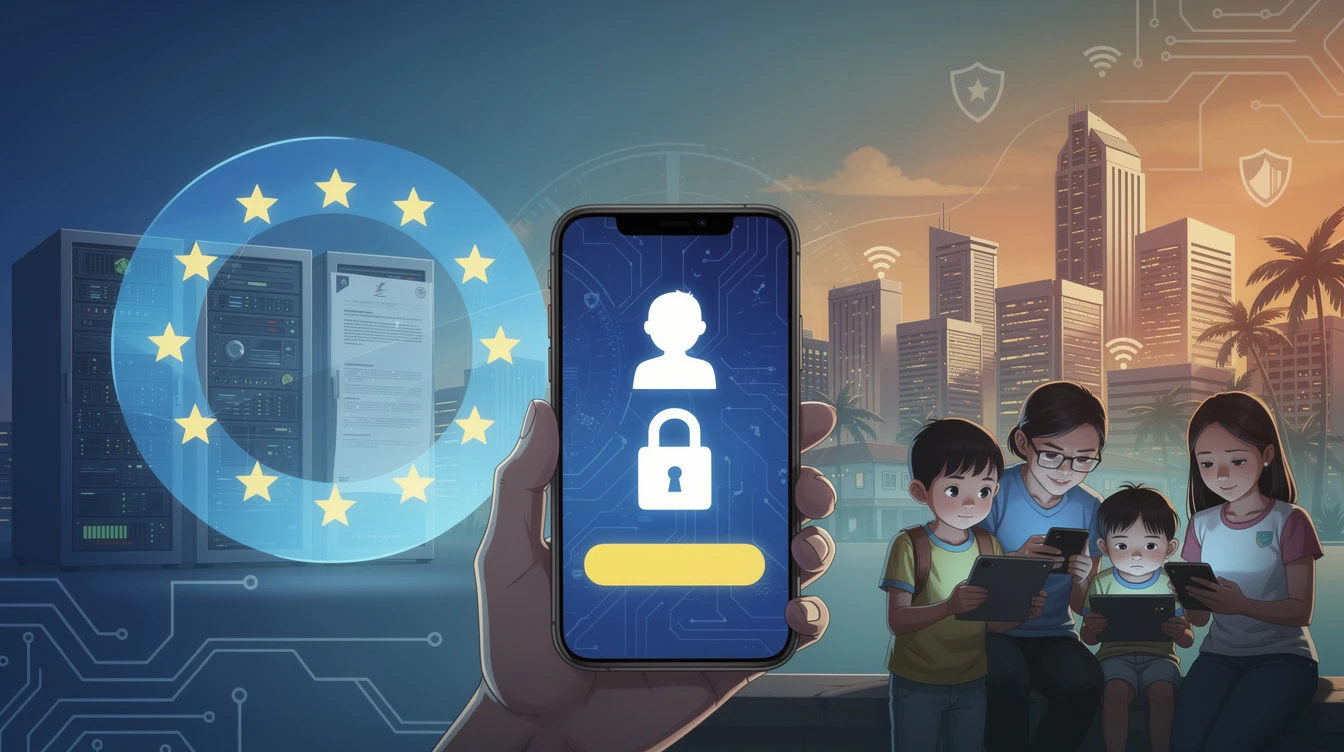
The European Union announced its official age verification app is ready for deployment on Wednesday, April 15, as part of a sweeping push by at least a dozen countries to set social media age limits between 13 and 16 years.
European Commission President Ursula von der Leyen confirmed the app's readiness, stating the bloc aims to make social media algorithms "less addictive and safer, especially for children."
The move signals a major regulatory shift in Europe, with non-EU nations like Britain and Norway also enacting or considering similar age-restriction legislation for online platforms.
This development holds immediate relevance for the Philippines, where over 40 million social media users include a vast youth population increasingly exposed to similar online risks.
"The EU's action sets a global precedent," said a Philippine child rights advocate who requested anonymity. "It forces our own policymakers to ask if our current laws are enough."
The Philippines currently relies on the Anti-Online Sexual Abuse or Exploitation of Children (OSAEC) Act and the Safe Spaces Act, but lacks a unified, tech-driven age verification mandate for social media access.
Local tech experts warn that directly importing such a system faces hurdles, including verification infrastructure costs and potential exclusion of youth in areas with limited digital ID access.
"A verification app presumes every child has a formal ID, which isn't our reality," noted Professor Maria Santos, a digital governance researcher at the University of the Philippines.
For the millions of Filipino families with OFW parents, the EU's move raises dual concerns: protecting children left behind from online harm while ensuring they can still freely communicate with parents abroad via these platforms.
Social media is a lifeline for these families, and overly restrictive age gates could unintentionally disrupt vital parent-child connections across continents.
The Department of Information and Communications Technology (DICT) told PinoyPulse it is "monitoring global best practices" but emphasized any local policy must balance protection with digital inclusion.
Privacy advocates in Manila also express caution, pointing to past data breach incidents and questioning how securely a verification app would handle minors' sensitive personal information.
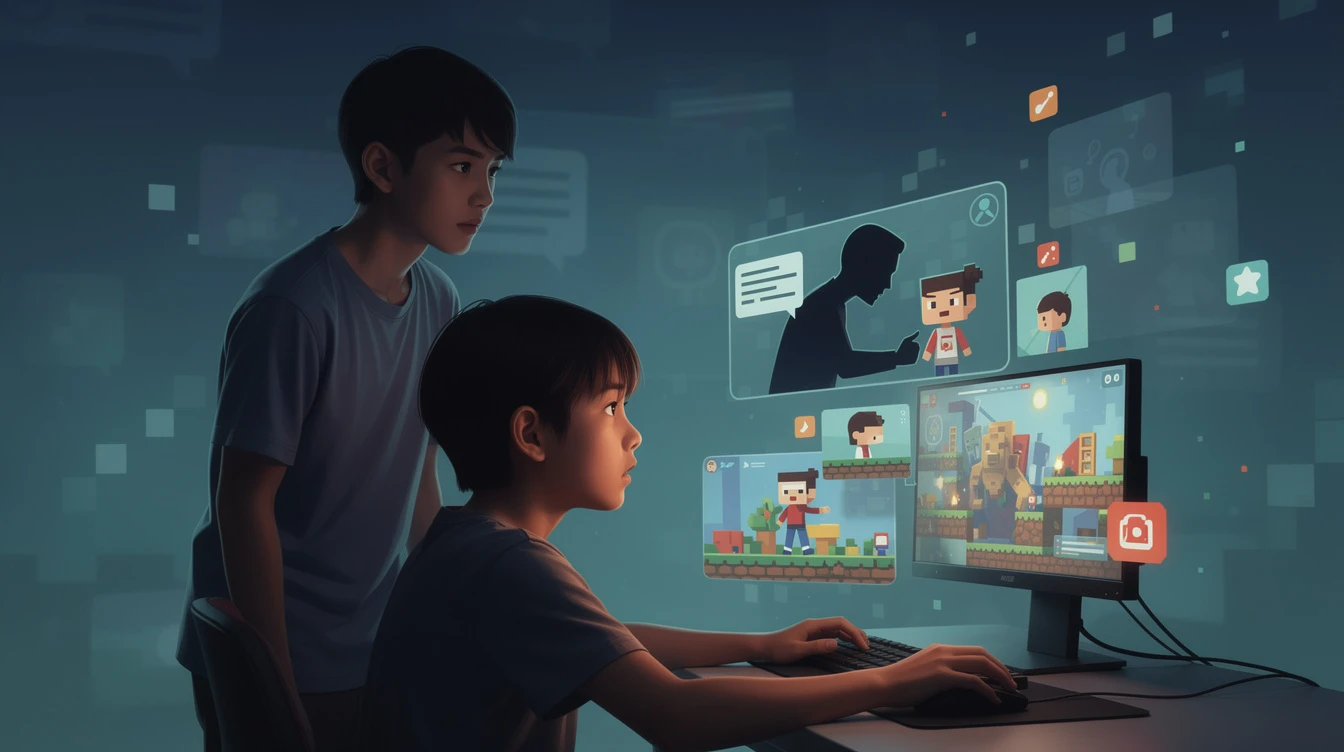
In contrast, parent groups and some senators are urging faster action, citing rising cases of online bullying, predation, and exposure to harmful content among Filipino youth.
The EU's technical approach will be closely studied by Philippine regulators as they draft the implementing rules and regulations for newer cyber-laws.
This European initiative ultimately pressures tech giants like Meta and TikTok to adapt their global platforms, which could indirectly change the user experience for all Filipinos regardless of local law.
As the EU forges ahead, the Philippine conversation must evolve from whether to act, to how to craft a solution that protects Filipino children without cutting off their digital opportunities or family ties.