Cybersecurity researchers have exposed a massive global trade in non-consensual nude images on Telegram, involving tens of thousands of women, a revelation with urgent implications for the Philippines' 89 million social media users.
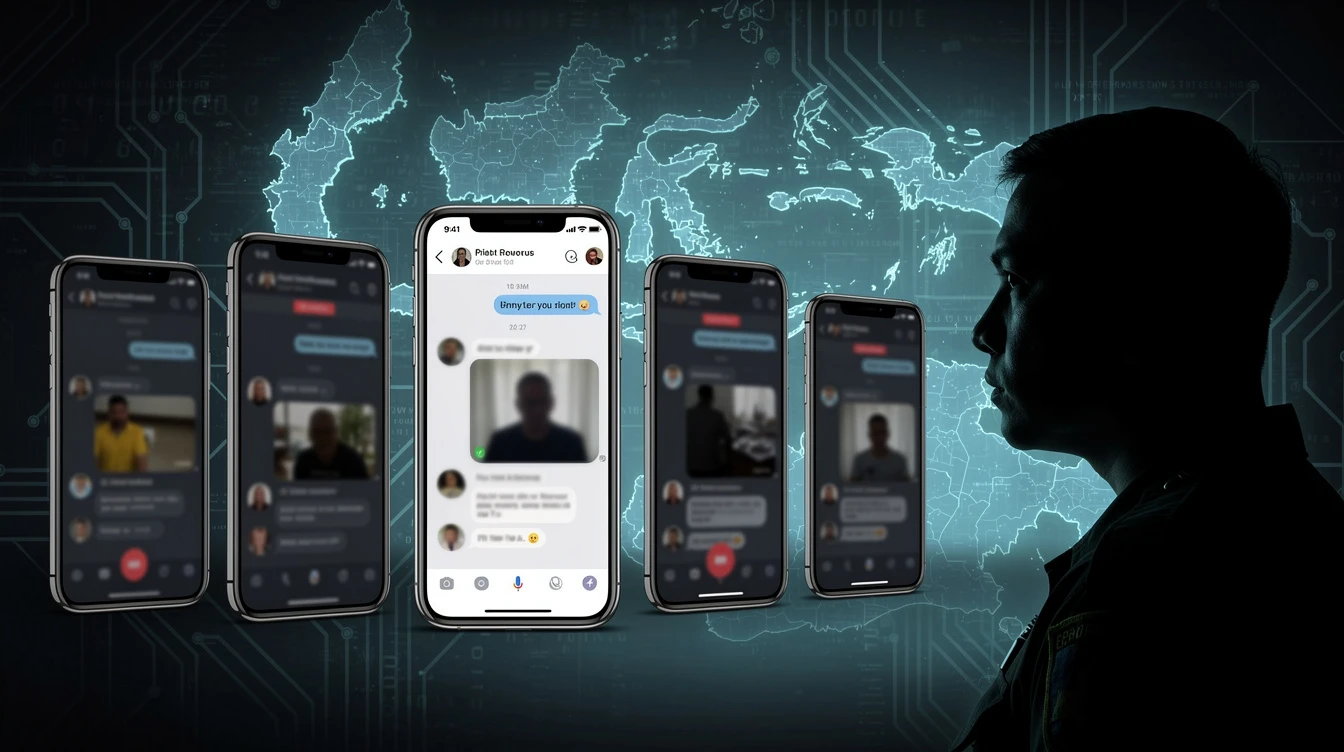
The study, detailed by France 24, found intimate photos being shared in dedicated groups and channels without subjects' consent.
Researchers identified a sophisticated network where images are aggregated, categorized, and distributed, often for profit or barter.
This digital exploitation operates across borders, making it a transnational crime that challenges local law enforcement agencies like the Philippine National Police Anti-Cybercrime Group (PNP-ACG).
The platform's encryption and privacy features, while beneficial for secure communication, are reportedly being exploited to hide these illicit activities from authorities.
For the Philippines, where Telegram is widely used for both personal communication and community organizing, this poses a significant threat.
Filipino netizens, especially women and public figures, are potential targets for image-based sexual abuse, a crime locally known as "revenge porn."
The National Bureau of Investigation's Cybercrime Division has previously handled cases involving the non-consensual sharing of intimate media.
"This global study confirms our operational concerns about platforms being weaponized for harassment," a PNP-ACG spokesperson told PinoyPulse.com.
The researcher's findings highlight a gap between technology's rapid adoption and the legal frameworks needed to protect citizens in digital spaces.
In the Philippine context, the Cybercrime Prevention Act of 2012 and the Safe Spaces Act provide some legal recourse for victims.
However, enforcement remains challenging when perpetrators and servers are located outside the country's jurisdiction.
The issue is particularly sensitive for Overseas Filipino Workers (OFWs), whose relationships often rely on digital intimacy, making them vulnerable to privacy breaches.
Families in the Philippines could be victimized if private images shared with partners abroad are leaked or traded on these channels.
Digital rights advocates in Manila are calling for increased public education on digital hygiene and stronger international cooperation among law enforcement agencies.
They urge users to be vigilant about what they share, even in supposedly private conversations, as content can be captured and redistributed.
The study serves as a critical warning for the Philippine government to bolster its cyber forensics capabilities and for telecom regulators to engage with platform operators.
Ensuring that global tech companies actively police their platforms for such illegal trade is now a matter of national consumer protection.
This news matters profoundly to Filipino readers as it underscores a pervasive digital risk in a highly connected society.
It calls for a collective effort involving lawmakers, law enforcers, tech companies, and citizens to safeguard personal dignity in the online world.