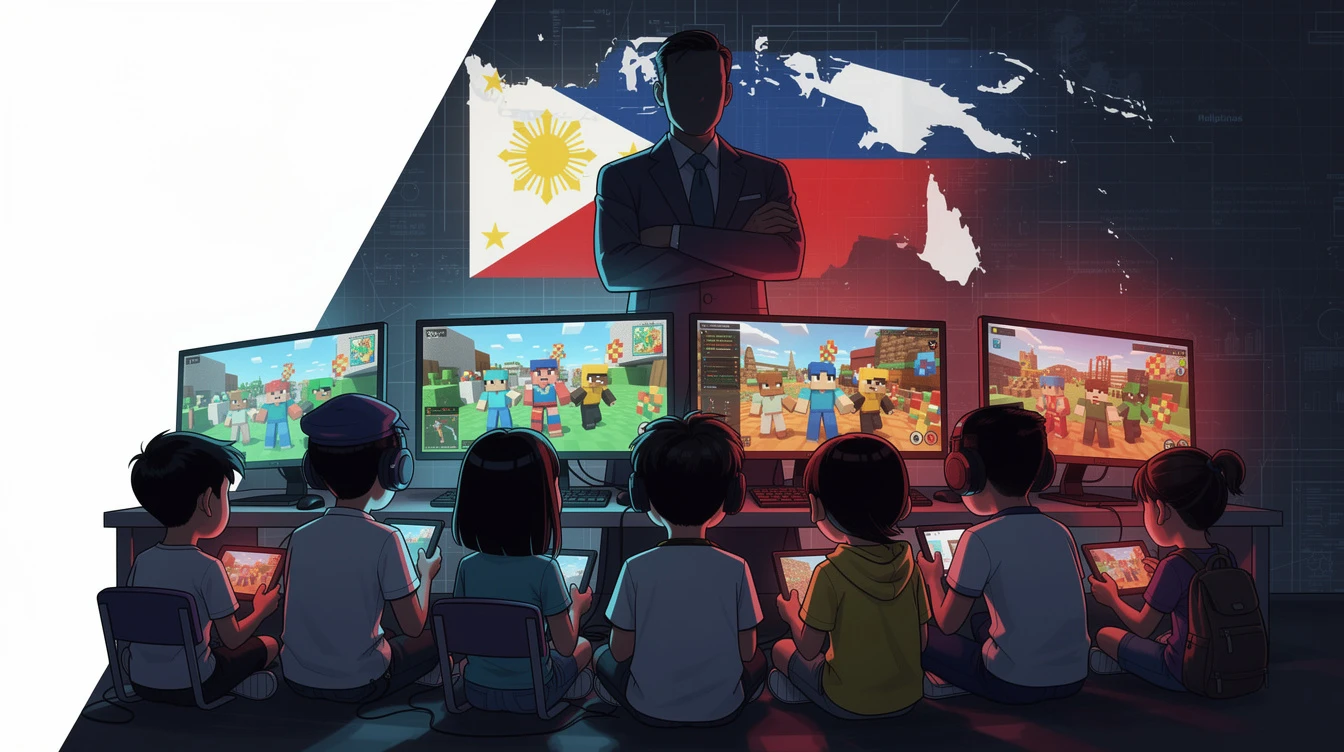
The Department of Information and Communications Technology (DICT) announced Tuesday it has abandoned plans to ban the popular online game platform Roblox in the Philippines. This decision follows a meeting with Roblox representatives and comes after significant opposition from local IT experts and developers.
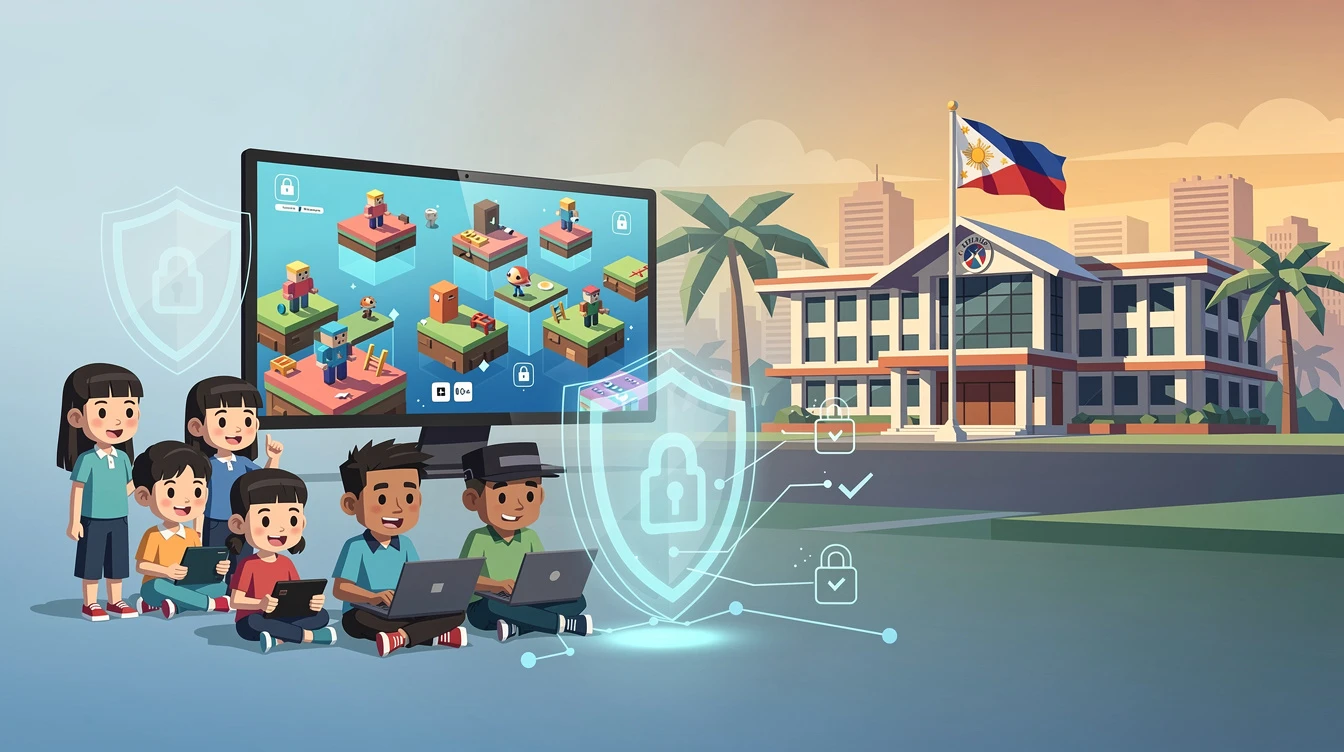
The DICT stated that Roblox will instead conduct a nationwide information campaign starting April 12, 2026 to promote stricter online safeguards. This represents a major policy shift for the agency, which had been considering a ban over child safety concerns.
"We have decided to pursue a path of cooperation and enhanced safety measures rather than an outright prohibition," a DICT spokesperson said. The agency had previously flagged risks of online child exploitation on the platform, which is used by millions of Filipino children and teens.
The reversal comes after strong pushback from the Philippine technology community. Local game developers and IT professionals argued a blanket ban would punish legitimate creators and fail to address the core issue of predatory behavior online.
They urged the government to work with platform operators on law enforcement coordination instead. The DICT and the Cybercrime Investigation and Coordinating Center (CICC) met with Roblox officials this week to discuss these collaborative safety frameworks.
Roblox's massive popularity in the Philippines made a potential ban particularly contentious. The platform serves as both entertainment and a creative outlet for young Filipinos, with some local developers earning income through it.
The planned 2026 information campaign will focus on educating Filipino parents and children about online safety features and reporting mechanisms. This approach aligns with calls for digital literacy over censorship.
This case highlights the Philippine government's ongoing challenge in regulating global digital platforms while supporting local tech talent. The DICT's pivot reflects a more nuanced understanding of the digital economy's role in the country.
For Filipino families, this decision means continued access to a major social gaming platform, but with promised improvements in protective measures. The outcome demonstrates how stakeholder engagement can shape national tech policy.