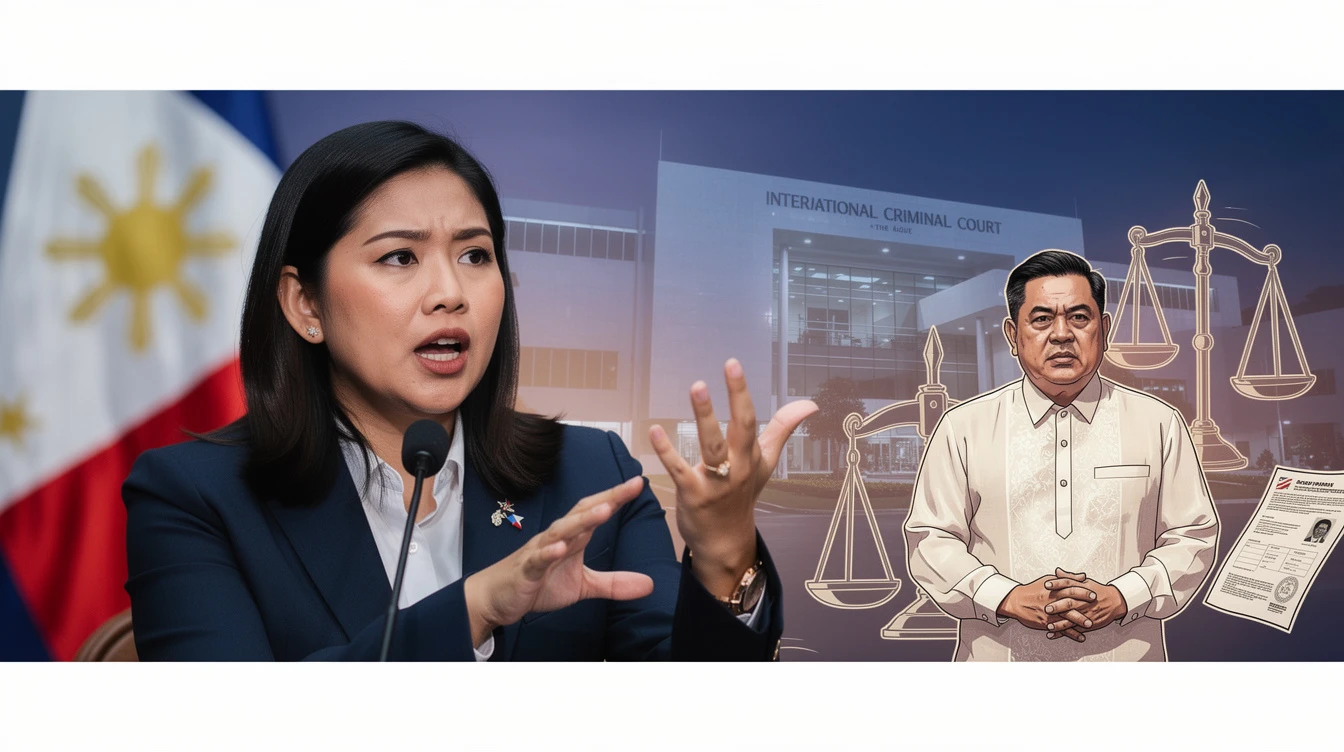
The Philippines and the Czech Republic have agreed to begin formal negotiations on a mutual legal assistance treaty and an extradition treaty, according to a report from GMA News. The move aims to strengthen cross-border law enforcement cooperation between the two nations.
Both countries also agreed to pursue a third agreement related to law enforcement, though specific details of that pact have not been publicly disclosed. The announcements were confirmed by Philippine officials and reported by multiple news outlets.
Philippines,
Philippine authorities have long sought an extradition treaty with the Czech Republic, particularly in cases involving fugitives from justice. One notable case involves former Iloilo provincial board member Zaldy Co , who is currently in Czech custody.
Co faces charges in the Philippines, but the absence of a formal extradition treaty has complicated efforts to bring him back. According to legal experts, a treaty would streamline the process and allow the Philippine government to formally request custody.
The mutual legal assistance treaty will enable both countries to share evidence, serve legal documents, and assist in investigations. This is critical for cases involving organized crime, cybercrime, and financial fraud that often span multiple jurisdictions.
Czech
For Filipino workers and migrants in the Czech Republic, these treaties provide a clearer legal framework. The Czech Republic hosts a significant Filipino community, and the pacts could help ensure their rights are protected under Philippine law.
Between 200,000 and 250,000 Filipinos live and work in the Czech Republic, according to recent estimates from the Philippine Embassy. Many are employed in manufacturing, healthcare, and services, making legal protections a priority.
The agreements come amid a broader Philippine push to expand its treaty network. The Department of Justice has been actively negotiating similar pacts with other nations to improve law enforcement cooperation.
For more on the government's legal strategy, see Philippine Justice Update.
Extradition treaties allow one country to return a suspected criminal to another for trial or punishment. A mutual legal assistance treaty, meanwhile, facilitates collaboration on investigations and asset recovery.
Without such treaties, Philippine law enforcement faces significant hurdles in going after fugitives abroad. Cases often require diplomatic notes, bilateral agreements, or ad hoc arrangements that can be slow and uncertain.
The Czech Republic’s willingness to negotiate signals a deepening of bilateral ties. The two countries have maintained diplomatic relations since 1993, with trade and investment steadily growing.
In 2023, bilateral trade between the Philippines and the Czech Republic reached over $500 million , according to Philippine statistics. Key exports from the Philippines include electronics, machinery, and agricultural products.
The treaty negotiations are expected to take several months, with both sides aiming for a mutually acceptable text. After that, the agreements would require ratification by both governments.
In the Philippines, treaties must be ratified by the Senate before they take effect. This process ensures public oversight and alignment with national laws.
Czech officials have expressed optimism about the talks. The Czech Ministry of Justice has been involved in drafting the initial proposals and is expected to lead the negotiations.
For Filipino expatriates, the treaties could make it easier to resolve legal disputes without traveling back to the Philippines. Legal assistance can be requested through a designated central authority.
The agreements also have implications for asset recovery . If a Filipino is convicted of financial crimes and hides assets in the Czech Republic, the mutual legal assistance treaty could help track and return those funds.
According to the Anti-Money Laundering Council , cross-border asset recovery has been a challenge for the Philippines. Treaties like this are seen as a way to close loopholes.
The timing is significant, as the Philippine government has prioritized justice reform under the Marcos administration. Strengthening international cooperation is a key pillar.
For context on the broader reform agenda, read Philippine Legal Initiatives.
Both countries also explored cooperation in other areas during initial talks. These include joint training programs for law enforcement personnel and sharing of best practices.
The Philippine National Police and the Czech police could benefit from such exchanges. Training on cybercrime, human trafficking, and forensic accounting are among the potential areas.
The negotiations come as the Philippine economy continues to recover from the pandemic. Clear legal frameworks are seen as important for attracting foreign investment and protecting investors.
For Filipinos in the Czech Republic, the treaties mean that any legal troubles they face in the Philippines can be handled more efficiently. For example, if a family member is a victim of a crime, the police can request assistance from Czech authorities.
The exact timeline for the treaties’ completion has not been announced. However, both sides have signaled a commitment to moving quickly.
Officials from the Department of Foreign Affairs are expected to lead the Philippine delegation in the negotiations. The Czech side will be represented by its foreign ministry and justice ministry.
Republic
For Filipino journalists and citizens, these developments represent a step forward in the fight against impunity. They show that the government is actively working to ensure justice across borders.
The significance for Filipino readers cannot be overstated: these treaties will directly affect the ability of the government to bring fugitives to justice, protect overseas Filipinos, and recover stolen assets. When crimes cross borders, only strong bilateral agreements can ensure accountability. For the many Filipinos working and living abroad, or those affected by international crime, this is a tangible step toward a safer, fairer legal landscape.