Philippine Administration Prioritizes Infrastructure, Investment for National Progress
Manila's administration is charting an ambitious course through a complex landscape of economic modernization and security challenges, with infrastructure development and foreign investment attraction emerging as twin pillars of the government's strategy to accelerate national progress.
The presidential system places the chief executive at the helm of both state ceremonial functions and governance operations, a structure that concentrates decision-making authority during periods of significant policy implementation. This concentration has allowed the administration to move decisively on its core priorities, though critics contend it also limits checks on executive power.
Governance Architecture in Motion
Three branches of government continue to operate in their designated capacities, though observers note the dynamic between institutions fluctuates with political circumstances. The Executive Branch maintains active engagement across multiple fronts, from foreign relations negotiations to domestic policy execution. The Senate conducts regular sessions focused on treaty ratification and legislative review, while the House of Representatives exercises its budgetary authority and advances legislative priorities during active sessions. Meanwhile, the Judiciary processes cases and renders interpretations on constitutional matters, with several high-profile proceedings drawing public attention.
The coordination among these institutions shapes the government's capacity to deliver on its promises. Legislative productivity has become a key metric for measuring institutional effectiveness, with analysts tracking bill passage rates and policy implementation timelines.
Infrastructure as Economic Engine
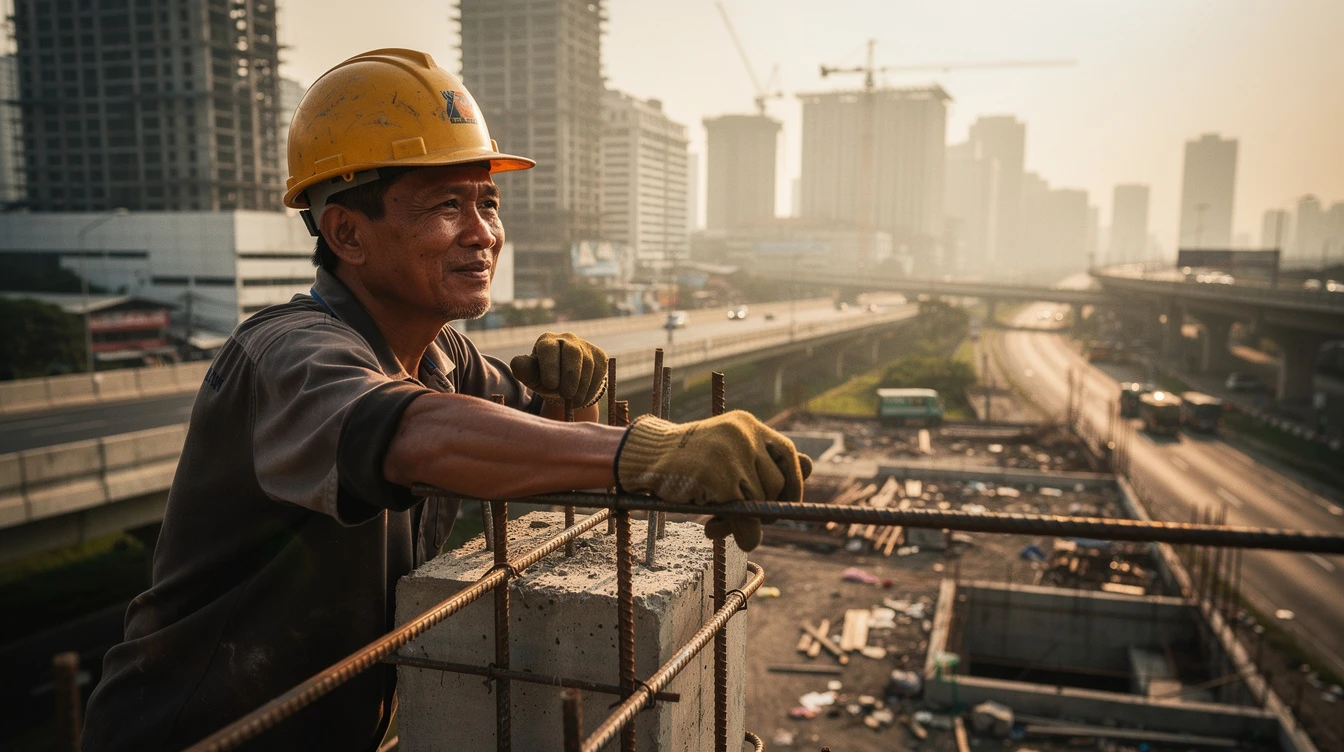
The administration's "Build Better More" program represents the most visible manifestation of its economic strategy. Transportation networks receive substantial attention, with projects spanning highways, bridges, airports, and seaports designed to reduce logistics costs and connect isolated communities to economic centers. Digital infrastructure has joined traditional construction as a priority, reflecting the growing importance of connectivity to contemporary economic participation.
Regional connectivity projects aim to distribute development beyond the capital, addressing long-standing imbalances between Metro Manila and provincial areas. Officials argue that improved infrastructure creates conditions for investment and employment generation, though implementation timelines and funding sustainability remain subjects of debate.
Investment Climate Under Review
Foreign direct investment promotion has assumed heightened importance as government planners seek capital inflows to supplement domestic resources.Streamlined business registration processes represent one dimension of this effort, targeting bureaucratic inefficiencies that historically deterred investors. Economic zone development expands designated areas with preferential treatment, tax incentives, and ready-made infrastructure to attract specific industries and clusters.
Trade negotiations continue alongside investment promotion, with officials pursuing agreements that could open new markets for Philippine exports while managing commitments that affect domestic industries. The outcomes of these negotiations carry implications for employment, farmer livelihoods, and manufacturing development.
Agricultural Modernization Initiative
The agriculture sector receives targeted attention through programs designed to address rural development and farmer assistance. Agricultural modernization initiatives seek to introduce improved techniques, inputs, and equipment to boost productivity in a sector that employs roughly a quarter of the workforce yet contributes a smaller share of economic output. Government programs distribute support through subsidies, training, and infrastructure investments tailored to regional agricultural conditions.
Rural development efforts connect agricultural programs to broader infrastructure investments, recognizing that farmers face persistent challenges accessing markets, inputs, and credit. The success of these initiatives carries significant implications for poverty alleviation, given the rural concentration of poverty in the Philippines.
Digital Transformation Accelerates
Expansion of internet connectivity has emerged as a government priority, with officials acknowledging that digital access increasingly determines economic opportunity. E-government services aim to reduce citizen interactions with bureaucracy, potentially improving service delivery and limiting opportunities for corruption. Support for technology sectors reflects calculations about future industries and workforce requirements.
The digital economy agenda intersects with infrastructure planning as officials consider how connectivity investments can catalyze broader economic transformation. Questions persist about implementation capacity, regulatory frameworks, and ensuring benefits reach underserved communities.
Security Challenges Shape Agenda
Counter-insurgency efforts continue as security forces address organized armed groups in various regions. The government's approach blends military operations with development interventions, though critics argue about the balance between these instruments and the humanitarian consequences in conflict-affected areas.
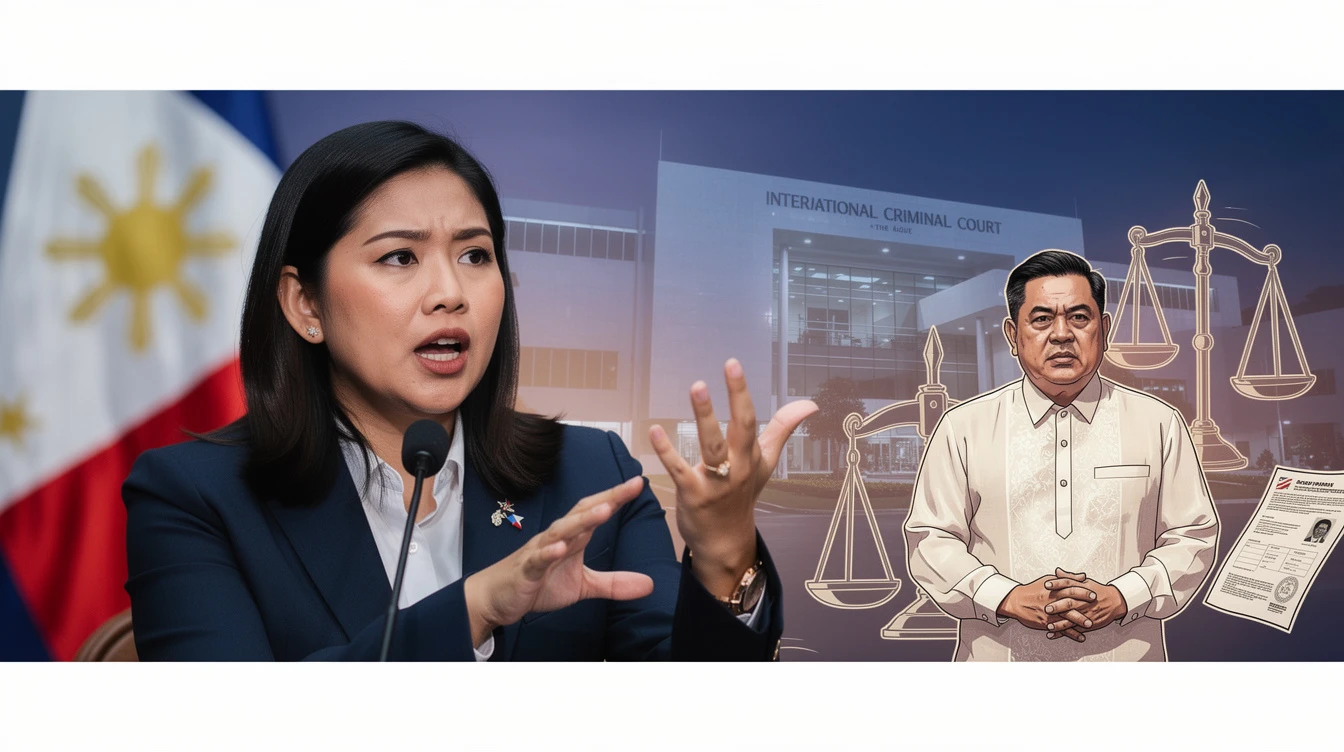
Territorial disputes in the South China Sea present external security dimensions that require careful diplomatic navigation. The Philippines maintains claims to disputed areas while managing relationships with China and other claimants, a balance that involves both legal proceedings and practical resource management in contested waters. Internal security challenges including criminality and extremism add complexity to the security portfolio, demanding resources and attention across multiple fronts.
Social Programs Under Scrutiny
Poverty alleviation initiatives constitute a central commitment of the administration, given persistent poverty rates that affect tens of millions of Filipinos. Programs range from unconditional cash transfers to conditional transfers tied to health and education participation, each with distinct targeting mechanisms and incentive structures. Healthcare system improvements and educational reforms complement poverty programs, addressing human capital development alongside immediate material need.
The effectiveness of social programs depends partly on implementation capacity, including targeting accuracy, benefit delivery mechanisms, and monitoring systems. Questions about program sustainability, funding adequacy, and coordination among agencies persistently surface in policy discussions.
Institutional Capacity and Accountability
The Philippine political system's capacity to translate policy ambitions into results varies across issue areas and administrative levels. Local government units, which exercise substantial authority under the decentralization framework, face uneven capacity that affects policy implementation. Civil society organizations and media contribute to accountability mechanisms, though resources and access differ across regions.
As the administration advances its agenda, the interplay between executive initiative, legislative support, and judicial review will shape outcomes across these priority areas. Citizens, businesses, and civil society organizations will continue pressing for responsive governance and effective service delivery, testing institutional capacity and political will alike.