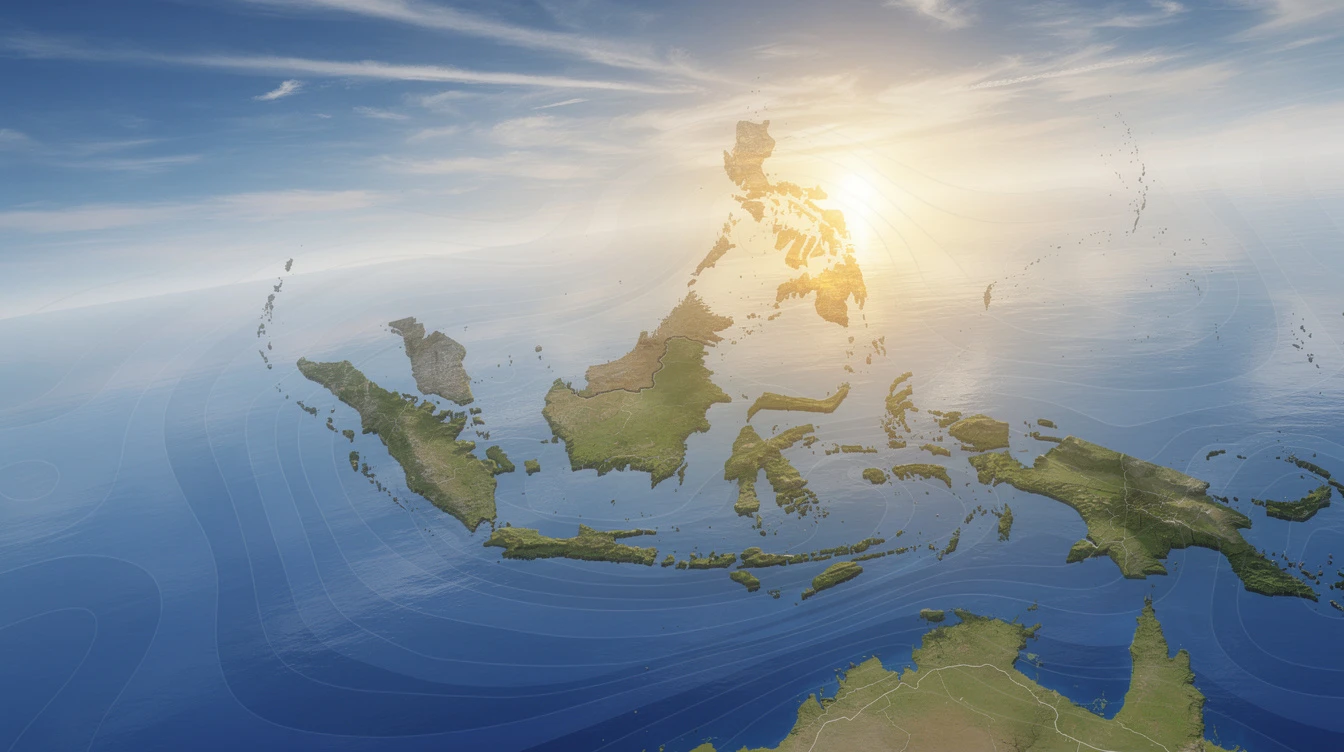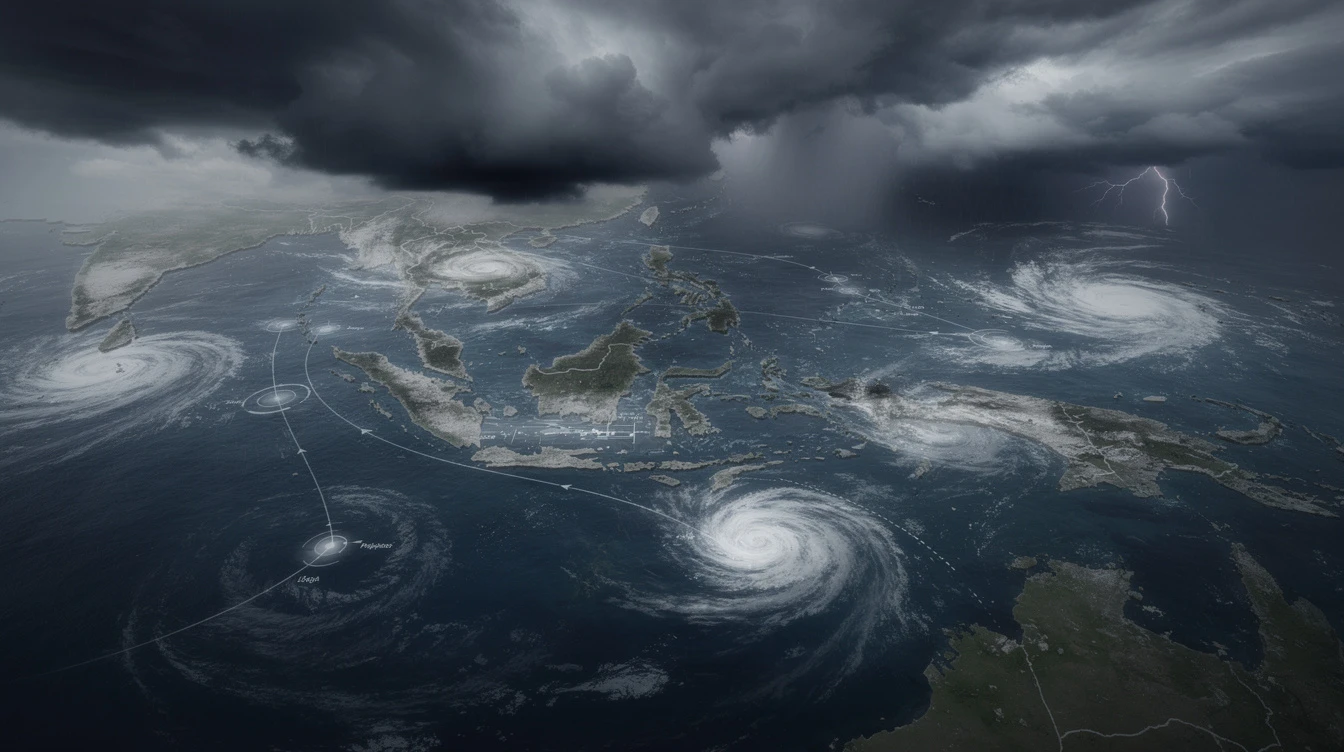
The Philippines is set to face an extended storm season, with PAGASA predicting 9 to 17 tropical cyclones will enter the Philippine Area of Responsibility (PAR) between August 2025 and October 2026.
This forecast comes as the country continues to reel from the devastating effects of Super Typhoon Pepito and other recent storms. The weather bureau warns that La Niña conditions could prolong the rainy season, increasing risks for millions of Filipinos.
In a statement, PAGASA said that between 2 to 4 tropical cyclones are expected in August 2025 alone. The total number could reach 17 by January 2026, with some lingering until October next year.
Why This Forecast Matters Now
The Philippines is one of the most disaster-prone countries in the world. Every year, an average of 20 tropical cyclones enter PAR, but the current La Niña episode is amplifying rainfall and storm intensity.
For ordinary Filipinos, this means a higher chance of floods, landslides, and infrastructure damage. Farmers in Luzon and Visayas are especially vulnerable, as their planting seasons overlap with the storm window.
What PAGASA’s Data Shows
According to PAGASA, the April to September 2026 period alone may see 8 to 16 tropical cyclones. This is above the historical average for that timeframe.
The weather bureau uses advanced climate models and sea surface temperature data to make these projections. Warmer-than-normal waters in the Pacific are fueling more intense storm systems.
Dr. Ana Liza Solis, a senior weather specialist at PAGASA, emphasized that "the public should not be complacent. Even a single typhoon can cause catastrophic damage if communities are unprepared."
Impact on Daily Life and Economy
Each tropical cyclone costs the Philippine economy billions of pesos. In 2024 alone, storms caused over P200 billion in agricultural and infrastructure losses.
Families living in coastal areas and informal settlements face the greatest risks. Many have already lost homes during previous storms and are now bracing for another long season.
The Department of Social Welfare and Development (DSWD) has prepositioned food packs and rescue assets in high-risk regions. However, local governments say funding is limited.
Preparedness Measures You Should Know
Here are key steps every Filipino family should take immediately:
1. Check your community’s evacuation plan. Know the nearest high ground and designated evacuation centers.
2. Prepare a go-bag. Include flashlights, batteries, first aid kits, cash, and important documents in waterproof containers.
3. Stay updated. Follow PAGASA bulletins and reliable news sources. Do not rely on social media rumors.
4. Secure your home. Reinforce roofs, trim tree branches, and clear drainage systems to prevent flooding.
Government and Expert Responses
National Disaster Risk Reduction and Management Council (NDRRMC) spokesperson Reynaldo Balido said the agency is in constant coordination with local government units. "We are activating early warning systems and conducting pre-emptive evacuations when needed."
Climate scientists warn that the frequency of extreme weather events is rising. Dr. Carlos Cruz, a climatologist at the University of the Philippines, noted: "La Niña is just one factor. Climate change is making storms wetter and more destructive."
The Department of Agriculture has urged farmers to shift planting schedules and invest in flood-resistant crops. Insurance claims for crop losses are expected to surge.
Real-World Impact: The Story of Barangay Mabuhay
In Barangay Mabuhay, a coastal community in Quezon Province, residents are already feeling the effects. Maria Santos, a 45-year-old mother of three, told reporters: "We just rebuilt after Typhoon Pepito. Now we hear more storms are coming. We are exhausted."
Her story is not unique. Across the archipelago, thousands of families are trapped in a cycle of rebuilding and displacement. Government aid often arrives late, and many rely on remittances from abroad to survive.
Local NGOs, such as Caritas Philippines, are distributing emergency kits and conducting community drills. But funding gaps remain a major challenge.
Future Outlook
PAGASA will update its forecast quarterly. The public should expect more cyclones if La Niña strengthens. The weather bureau also advises monitoring sea surface temperatures in the Pacific for early signs of storm development.
By early 2026, the Philippines may transition to a neutral ENSO phase, which could reduce cyclone frequency. However, until then, vigilance remains critical.
For more in-depth analysis of disaster preparedness, read our guide on how to protect your family during typhoon season. Also check out the latest typhoon updates from PAGASA.
How accurate are PAGASA’s long-term cyclone forecasts?
Long-term forecasts have a margin of error but are based on robust climate models. PAGASA updates its outlook quarterly to improve accuracy.
What should I do if a typhoon hits my area?
Follow evacuation orders immediately. Stay indoors, keep emergency supplies ready, and monitor PAGASA bulletins via official channels.
Will these cyclones affect the whole Philippines equally?
No. Northern Luzon, Eastern Visayas, and Bicol Region typically experience the most direct impacts. However, monsoon rains can cause flooding even in Metro Manila.
How does climate change affect these forecasts?
Climate change increases sea surface temperatures, which can make cyclones more intense and wetter. It does not necessarily increase the number of storms.
For more information, visit the PAGASA official website or read the BBC’s climate change and typhoon coverage.
Stay safe and stay informed at PinoyPulse.com.