PAGASA Raises El Niño Alert: What This Means for the Philippines
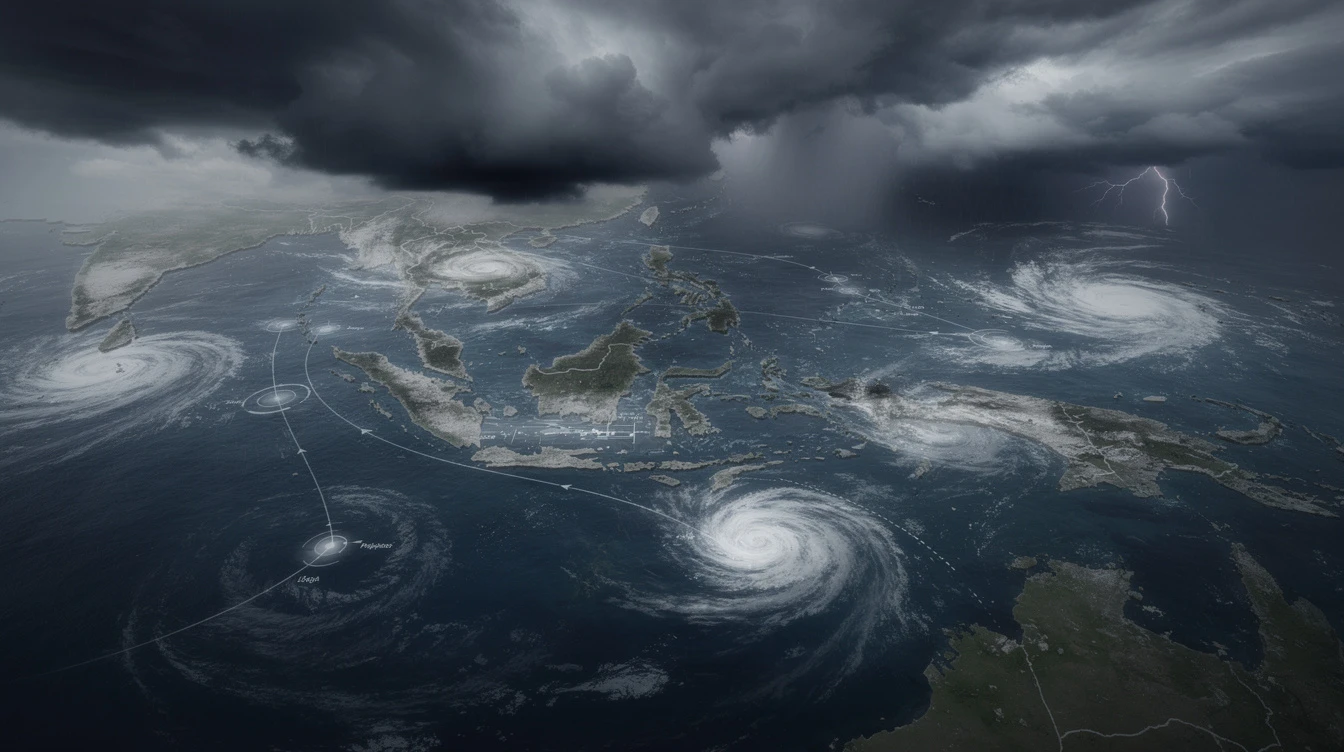
The Philippine Atmospheric, Geophysical and Astronomical Services Administration has issued a critical warning. The probability of El Niño developing in the June-July-August 2026 season has risen to 79%. This significant upgrade from an El Niño Watch to an El Niño Alert signals that conditions are favorable for its emergence. The potential impacts on the archipelago's climate, agriculture, and water resources are now a top national concern.
This alert compels government agencies, local governments, and the public to initiate preparatory measures. The looming dry spell could exacerbate existing challenges, making proactive planning essential.
Understanding the Shift: From Watch to Alert
PAGASA's alert system is a graduated response to climate phenomena. An El Niño Watch indicates that conditions are developing and could form within the next six months. An El Niño Alert, now in effect, means those conditions are expected to materialize soon.
According to PAGASA Administrator Dr. Nathaniel Servando, the shift is based on recent oceanic and atmospheric observations. Most international climate models now strongly suggest the warming of sea surface temperatures in the central and eastern equatorial Pacific. This warming is the hallmark of an El Niño event.
The Science Behind the Forecast
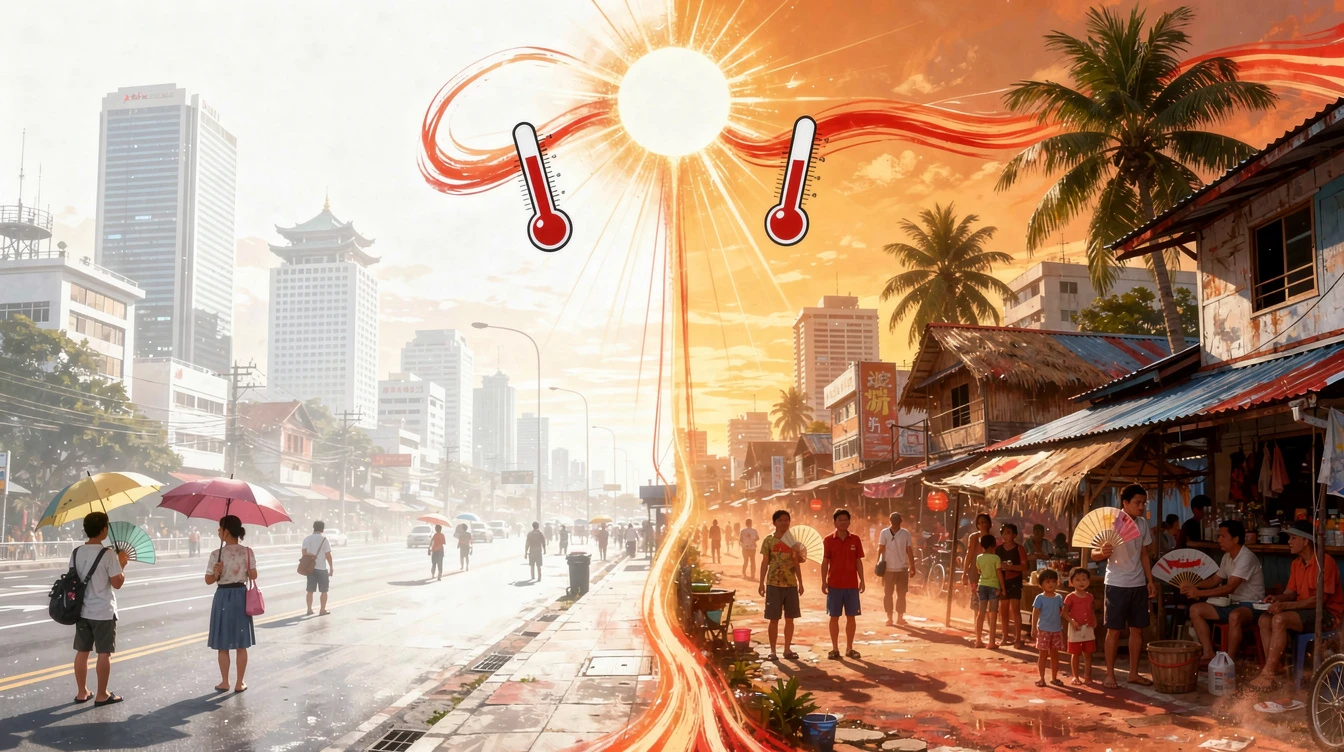
El Niño is part of a larger climate pattern called the El Niño-Southern Oscillation. It involves the unusual warming of ocean waters, which disrupts normal weather patterns globally. For the Philippines, El Niño typically brings below-normal rainfall, drier conditions, and a higher probability of drought.
The bureau's Climate Monitoring and Prediction Section confirmed that while ENSO-neutral conditions currently prevail, the shift is imminent. The forecast suggests the phenomenon could persist until early 2027, indicating a potentially prolonged dry period.
Potential Impacts on the Philippine Landscape
The consequences of a strong El Niño are far-reaching. The agricultural sector, a cornerstone of the Philippine economy and food security, is most vulnerable. Major rice and corn-producing regions could face reduced yields.
Water levels in dams and reservoirs critical for irrigation and domestic supply, like Angat and Magat, may drop significantly. This threatens both farming schedules and Metro Manila's water allocation. Power generation from hydroelectric plants could also be affected.
Increased temperatures and heatwaves may lead to higher risks of forest fires and health issues related to extreme heat. The Department of Agriculture has historically activated mitigation plans, including cloud seeding and distributing drought-resistant crop varieties.
Historical Context and Lessons Learned
The Philippines is no stranger to El Niño. The strong 2015-2016 event caused an estimated ₱24 billion in agricultural damages and contributed to a surge in food prices. The 2019 event also led to drought declarations in numerous provinces and water crises in urban areas.
These past events highlight the critical need for early action. The current alert provides a crucial window for preparedness that was less defined in previous cycles.
Government and Public Response: Preparing for the Dry Spell
Following the alert, the National Disaster Risk Reduction and Management Council is expected to coordinate a whole-of-government response. Key agencies like the DA, the National Water Resources Board, and the Department of Health will draft contingency plans.
Local government units are urged to reactivate their local El Niño task forces. Their focus will be on community-based water conservation, monitoring of vulnerable farmers, and public information campaigns on heat stress.
For the public, the advice is to start practicing water conservation now. Fixing leaks, using water-efficient fixtures, and adopting mindful consumption habits can collectively mitigate the impact. Farmers are advised to consult with agricultural technicians on adjusting cropping calendars and seed choices.
Looking Ahead: Monitoring and Mitigation
PAGASA will continue to monitor key indicators and provide monthly updates. The situation remains dynamic, and while the probability is high, forecasts can be refined as the target season approaches.
The ultimate strength and duration of the anticipated El Niño will determine its severity. A moderate event would bring challenges, but a strong event could trigger a national crisis requiring coordinated relief efforts.
The key is not to panic but to prepare. The early alert is a tool for resilience, allowing the nation to buffer itself against the potential climatic shock.
Conclusion: A Call for Proactive Resilience
The raised El Niño Alert is a sobering reminder of the Philippines' vulnerability to global climate patterns. With a 79% chance of development by June 2026, the time for action is now. This event transcends mere weather; it is a threat to food security, water availability, economic stability, and public health.
The government's preparatory steps must be swift and substantial. Equally important is the role of every Filipino in practicing conservation and heeding official advisories. By combining scientific forecasting with community-level action, the country can navigate the coming dry season with greater resilience and minimal disruption.
What should ordinary Filipinos do to prepare for El Niño?
Start practicing strict water conservation at home: fix leaks, use basins for washing, and recycle water where possible. Stay informed through official PAGASA and NDRRMC channels and prepare for potentially higher temperatures.
How will El Niño affect food prices in the Philippines?
Reduced agricultural output can lead to lower supply of staples like rice, vegetables, and corn, potentially driving up market prices. The government may implement measures like price controls or importation to stabilize costs.
Is there still a chance El Niño won't happen?
Yes. While the probability is high at 79%, climate forecasting involves uncertainties. PAGASA's alert means it is very likely, but not absolutely certain. The situation will be continuously monitored and updated.