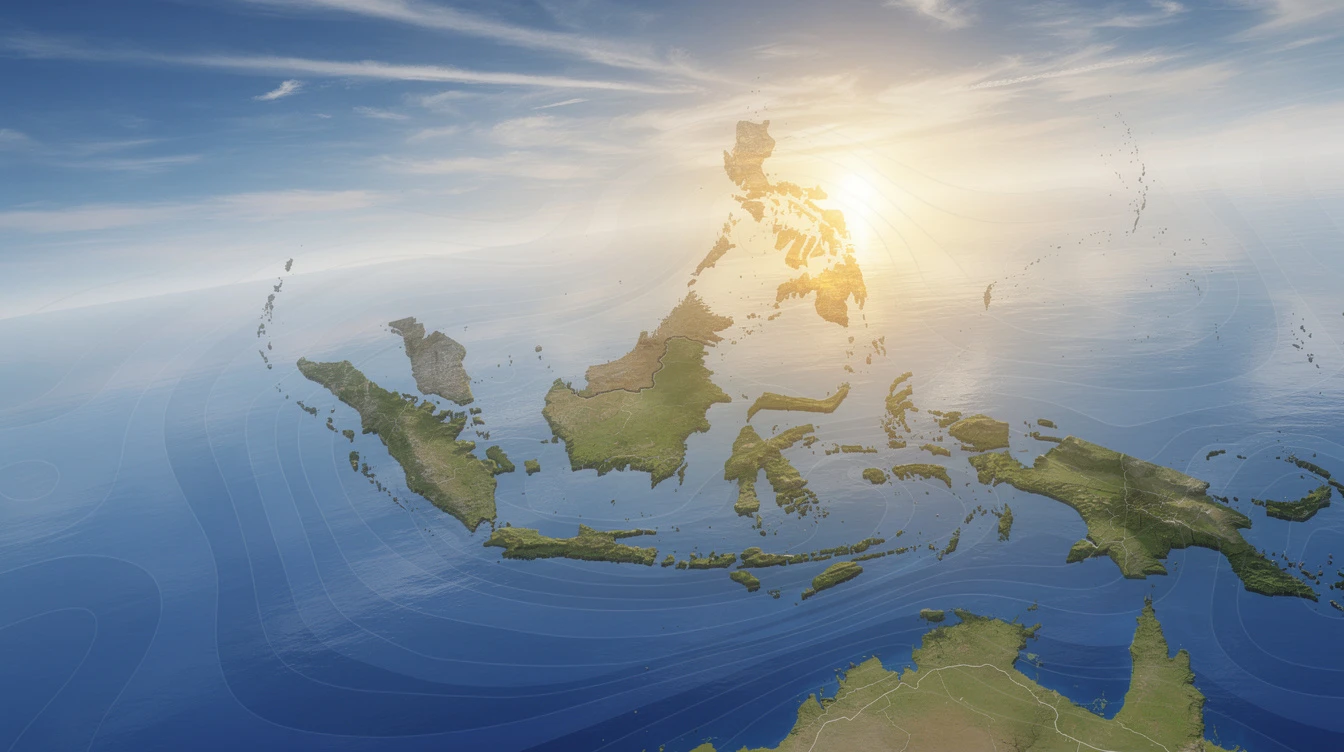
The Philippine Atmospheric, Geophysical and Astronomical Services Administration (PAGASA) forecasts generally fair weather for Northern Luzon and Metro Manila this weekend. This is due to the ridge of a High Pressure Area (HPA) extending over Extreme Northern Luzon, according to the state weather bureau's 4:00 PM bulletin on April 19, 2026.
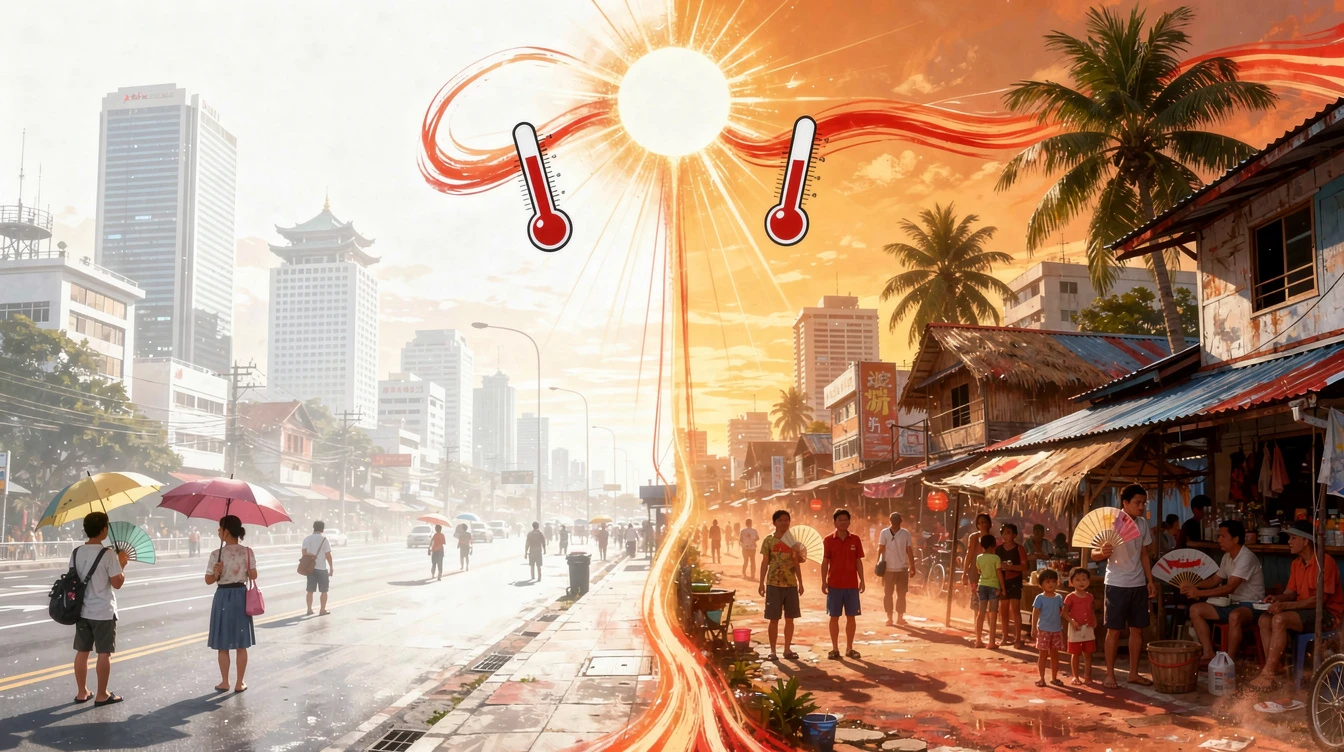
The dominant weather system is expected to suppress rain cloud formation, leading to partly cloudy to sunny skies. This brings a welcome dry spell for agriculture and daily commutes but also increases the potential for high heat indices, particularly in urban areas.
Per PAGASA's daily weather forecast, the ridge will bring fair weather across several regions. Metro Manila, the rest of Luzon, and the Visayas can expect similar conditions with only isolated rainshowers or thunderstorms, primarily in the afternoon or evening.
In Bulacan, data from WeatherAPI for the morning of April 20 showed a temperature of 28.0°C (82.4°F) under partly cloudy conditions. The humidity was recorded at 79%, contributing to a feels-like temperature of 32.6°C (90.8°F).
The heat index, or what the temperature feels like to the human body, is a critical metric for public health. Officials often issue warnings when this index reaches extreme levels, which can lead to heat-related illnesses.
The fair weather forecast follows a series of localized thunderstorms and occasional monsoon rains in previous weeks. The stable conditions are favorable for outdoor activities, construction, and the transport of goods across Luzon's major road networks.
However, the Philippine heat can be deceptive under clear skies. The public is advised to stay hydrated, avoid prolonged sun exposure, and be mindful of heat stress, especially for outdoor workers and vulnerable populations.
While the HPA ridge dominates the north, the rest of the country may experience different conditions. Mindanao and parts of the Visayas could still see isolated rains due to localized thunderstorms, though no major weather disturbances are currently being monitored.
The National Disaster Risk Reduction and Management Council (NDRRMC) typically coordinates with local governments on heat wave protocols. No alerts have been issued yet, but the consistent forecast prompts standard precautionary measures.
For the agricultural sector in Luzon, the dry spell allows for harvesting and drying of crops like palay. Farmers, however, remain cautious as extended dry periods can also lead to soil moisture depletion if not managed properly.
The maritime forecast for coastal waters under the HPA's influence is generally slight to moderate. This is favorable for fisherfolk and inter-island travel, though sudden afternoon thunderstorms can still pose risks to small boats.
PAGASA continues to monitor the situation for any significant changes. The ridge of high pressure is a common feature during the summer months but can shift, potentially allowing the intertropical convergence zone or low-pressure areas to influence the weather later.
This weather development is significant for millions of Filipinos planning weekend activities, from family outings to essential labor. It underscores the importance of heeding official forecasts to balance productivity with personal safety against the country's tropical heat.