Peso Plunges Past Psychological Barrier
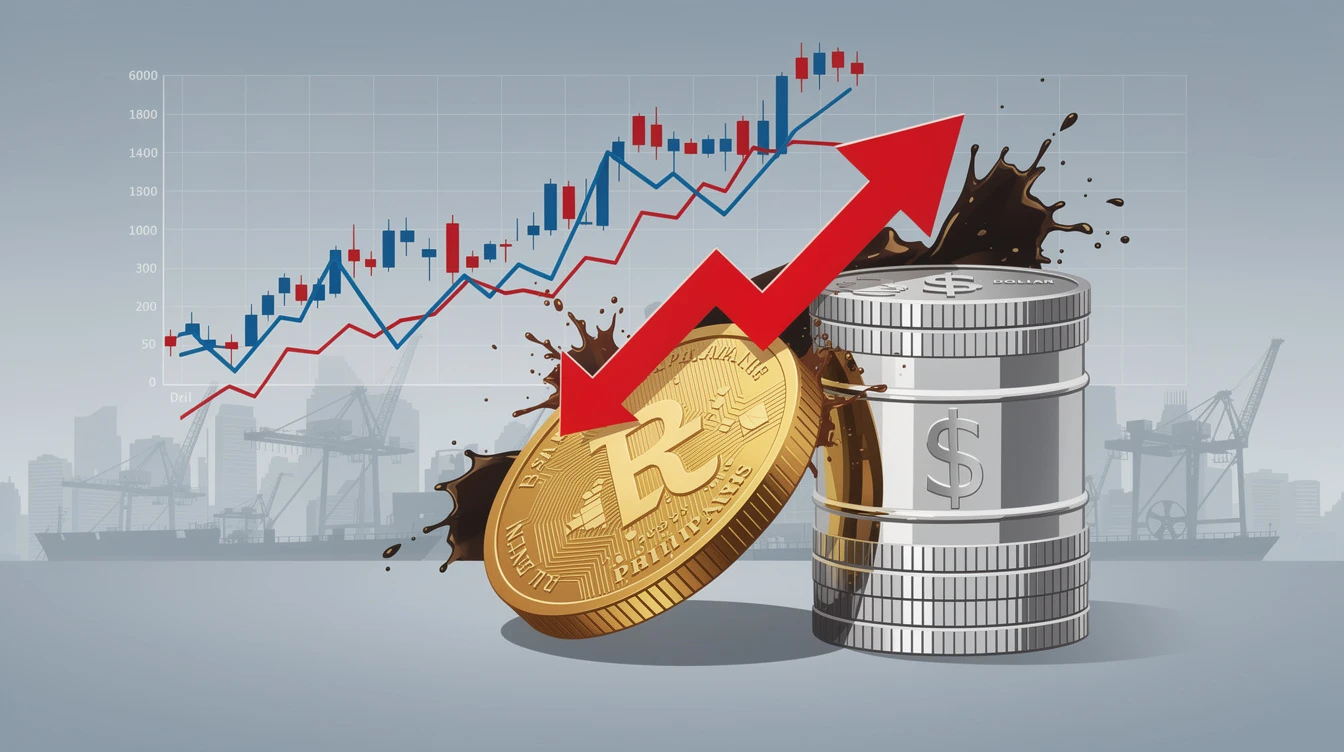
The Philippine peso breached the critical 60-per-dollar level on Thursday, March 19, sliding to a record-low of P60.10 as global oil prices surged amid the intensifying conflict in the Middle East. The currency extended its losses throughout the trading session, closing at P60.69 per dollar as market anxieties intensified.
Record-Breaking Depreciation
Analysts at Reyes Tacandong & Co. noted that "the peso weakened to 60.55 as markets begin to price in oil-related risks, reinforcing near-term dollar demand." The sustained depreciation marks the first time the currency has crossed this psychological threshold, signaling mounting pressure on the Philippine economy.
US Fed Policy Compounds Pressure
The greenback gained additional strength after the US Federal Reserve held interest rates steady, citing uncertainty surrounding the war in the oil-rich Middle East. Higher US rates typically attract capital outflows from emerging markets like the Philippines, further weakening the peso.
Oil Prices Breach $100 Mark
Crude oil prices breached the $100-per-barrel mark as the prolonged conflict in the Middle East threatens vital supply chains through the Strait of Hormuz. The waterway handles approximately 20% of global oil shipments, making any disruption potentially catastrophic for import-dependent nations like the Philippines.
Import Costs Skyrocket
The weaker peso compounds the oil price surge, making it significantly more expensive for the Philippines to purchase crude oil on the international market. The exchange rate essentially amplifies the oil price shock, translating to higher costs for gasoline, diesel, and other petroleum products that flow into transportation, manufacturing, and agriculture sectors.
Inflation Threat Looms
Energy officials warn that elevated oil prices could reignite inflation pressures that the Bangko Sentral ng Pilipinas (BSP) has only recently managed to tame. Filipino consumers face the prospect of higher pump prices at gas stations and increased electricity rates in the coming weeks.
BSP Responds to Mounting Concerns
The Bangko Sentral ng Pilipinas acknowledged on Wednesday that it is closely monitoring the impact of the Middle East conflict on Philippine inflation and the broader economy. The central bank maintained vigilance ahead of its next policy meeting scheduled for April 23.
Debt Sustainability Questions
Economists warn that prolonged peso depreciation could inflate the peso value of foreign debt held by both the government and private firms. With Philippine external obligations already exceeding P17 trillion, currency weakness adds to debt servicing costs and potentially pressures credit ratings.
Policy Options Under Scrutiny
Market participants await signals from the BSP regarding potential policy responses. Options on the table include:
- Intervening in currency markets to stabilize the peso
- Adjusting policy rates to defend the currency
- Coordinating with the Treasury Department on import rationalization
The central bank's next moves will be crucial in determining whether the peso stabilizes or continues its downward trajectory as global uncertainties persist.