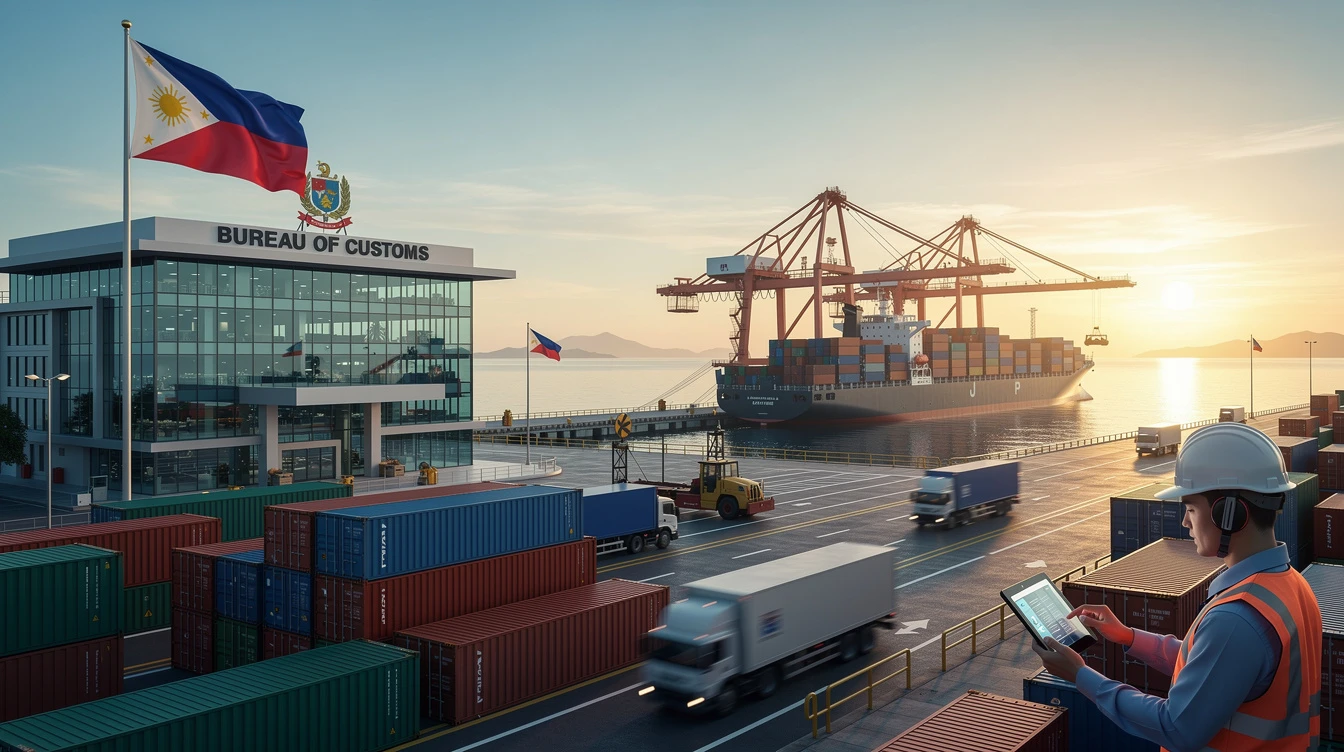
The Bureau of Customs (BOC) has officially reduced the processing period for import valuation requests to just three days, down from five, the agency announced in Manila. This significant cut applies to assessments handled by the Import Assessment Service (IAS), aiming to expedite the release of goods and lower logistics costs.
Customs Commissioner Bienvenido Rubio stated the move directly supports the Marcos administration's push for trade facilitation. "This streamlining is part of our commitment to enhance the ease of doing business," Rubio said in an official statement released by the BOC.
The valuation process is critical for determining the correct duties and taxes on imported goods. Faster assessments mean shipments clear ports quicker, reducing demurrage and storage fees that ultimately inflate consumer prices.
This reform is particularly vital for a nation heavily reliant on imports for raw materials, capital equipment, and consumer goods. The Philippines' trade deficit underscores the importance of efficient customs processing for economic stability.
Data from the Port of Davao, cited by the BOC, shows current export processing averages about four days total. The new three-day target for import valuation aligns with efforts to create parity and predictability across all trade transactions.
"A predictable timeline allows businesses, especially our micro, small, and medium enterprises, to plan their inventory and supply chains more effectively," a BOC official explained. This predictability is crucial for price stabilization in local markets.
The efficiency gain is expected to benefit a wide range of stakeholders. This includes local manufacturers importing components, retailers bringing in finished products, and logistics companies managing port operations.
For the millions of Overseas Filipino Workers (OFWs) whose families regularly receive balikbayan boxes and consolidated shipments, faster processing could also mean quicker receipt of parcels. It reduces the anxiety associated with long customs delays.
The BOC's action follows broader digitalization and process re-engineering initiatives under the Customs Modernization and Tariff Act. The goal is to minimize human intervention and opportunities for corruption in valuation.
While the three-day target is a marked improvement, the BOC acknowledges the need for continuous monitoring. The agency will track compliance across all 17 collection districts to ensure uniform implementation nationwide.
Trade Secretary Alfredo Pascual welcomed the development, noting it complements initiatives by the Department of Trade and Industry. Efficient customs is a cornerstone for attracting foreign investment and improving national competitiveness.
Economic managers anticipate the reform will positively impact the country's ranking in international ease of doing business and logistics performance indices. This is essential for integrating deeper into global supply chains.
The significance for Filipino readers is direct and tangible. Faster customs clearance translates to lower costs for imported essentials, from food and medicine to manufacturing inputs. It supports local businesses, protects consumer wallets, and strengthens the overall economy by making the Philippines a more reliable trading partner.