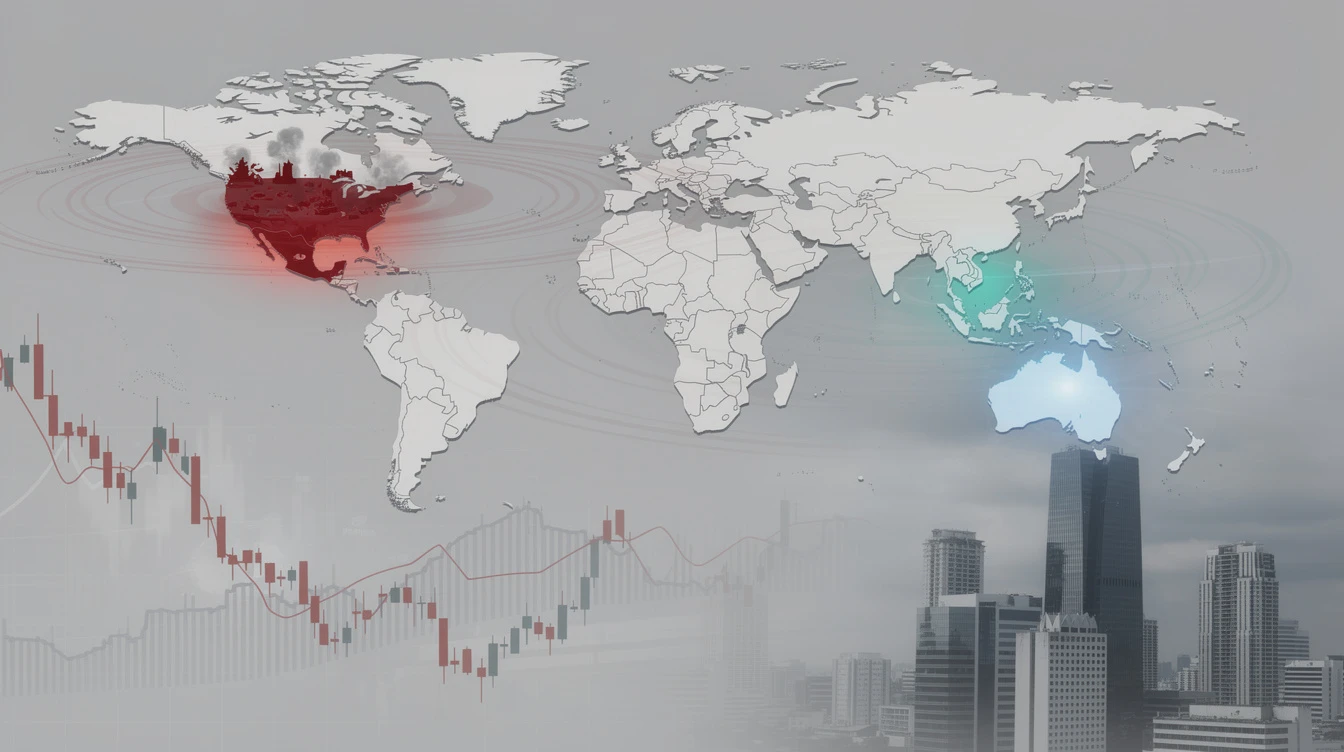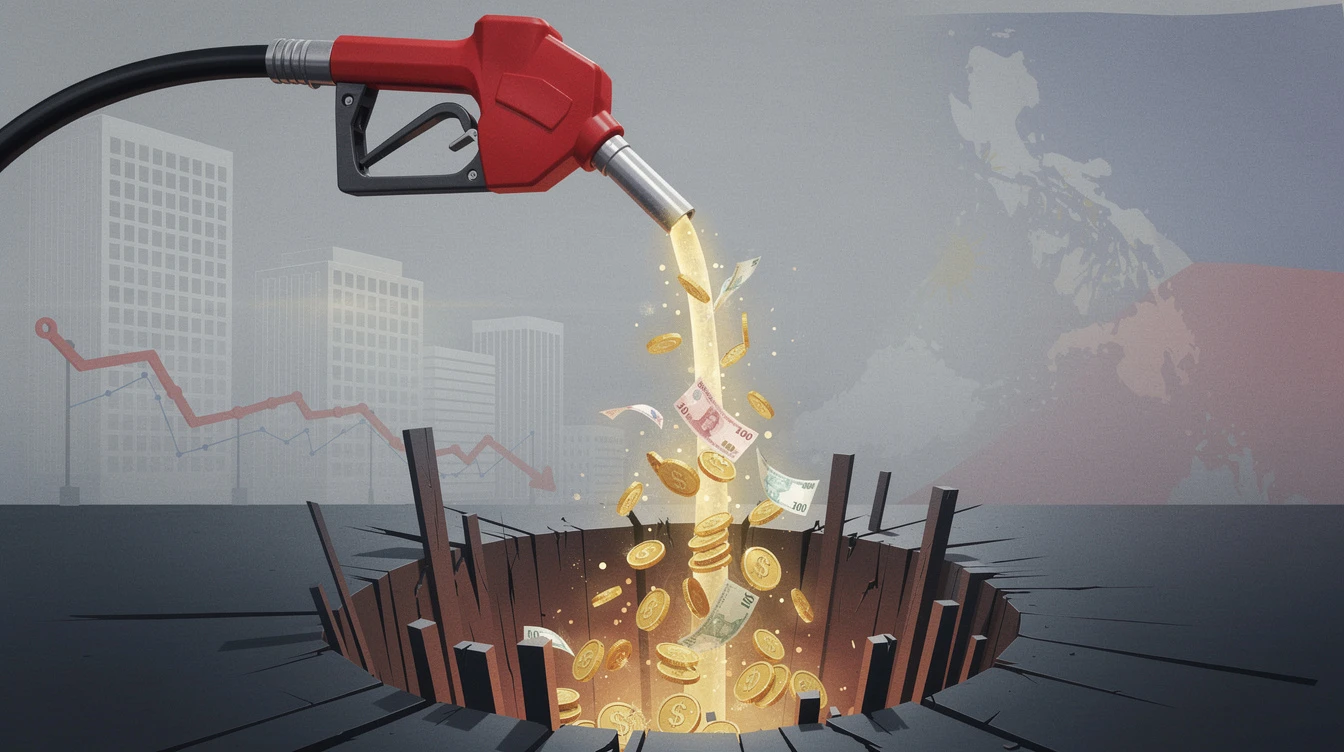
Mainstream economists are divided almost evenly along political lines, with conservatives championing free markets and liberals advocating state intervention. This split has undermined public trust in economists as objective analysts rather than partisan advocates. The profession's shared position within power structures grants legitimacy to policy prescriptions that benefit established institutions.
The Inside Job Aftermath
The Inside Job documentary (2010) exposed deep conflicts of interest between academic economists and the financial industry. Economist Angus Deaton noted the film "did great harm to the public image of economists" who profited from studying an economy they claimed to analyze neutrally. Many mainstream economists failed to warn about the 2008 financial crisis—and some even helped create conditions that made it inevitable.
The Growth Dogma and Its Discontents
When Growth Became the Problem
Mainstream economics' most glaring blind spot is its unwavering devotion to economic growth. Both conservative and liberal economists defend growth because it makes "everyone materially better off," as Deaton observes. Yet this growth imperative has become a central driver of the climate crisis. A profession that ignores environmental costs of perpetual expansion is poorly equipped to address humanity's greatest challenge.
Climate Denial Meets Economic Denial
Mainstream economists treat natural resources as infinite and environmental degradation as a mere externality—an afterthought rather than a core concern. This intellectual rigidity enables policies prioritizing short-term GDP gains over long-term planetary survival. The failure to integrate ecological limits represents a fundamental theoretical flaw.
The Path Forward: Challenging Conventional Wisdom
Bad Theory, Bad Policy
The 2008 financial crisis demonstrated catastrophic results of flawed economic thinking. Rather than accepting responsibility, many mainstream economists refused to blame their theories or recommended policies. John Kenneth Galbraith observed these mainstream theories and policies have been "tried and failed miserably." Deregulation, tax cuts, and privatization concentrated wealth while hollowing out the middle class.
Alternative Visions Emerge
Better economic theory recognizes that income inequality and discrimination rank among the most significant problems today. Writers like Jon Shell argue that employee ownership can safeguard economic sovereignty while boosting productivity and local wealth creation. Such approaches challenge conventional wisdom that only shareholders and executives drive prosperity. A 2025 New York Times analysis noted mainstream economics' political influence is declining, potentially opening space for more pluralistic thinking.