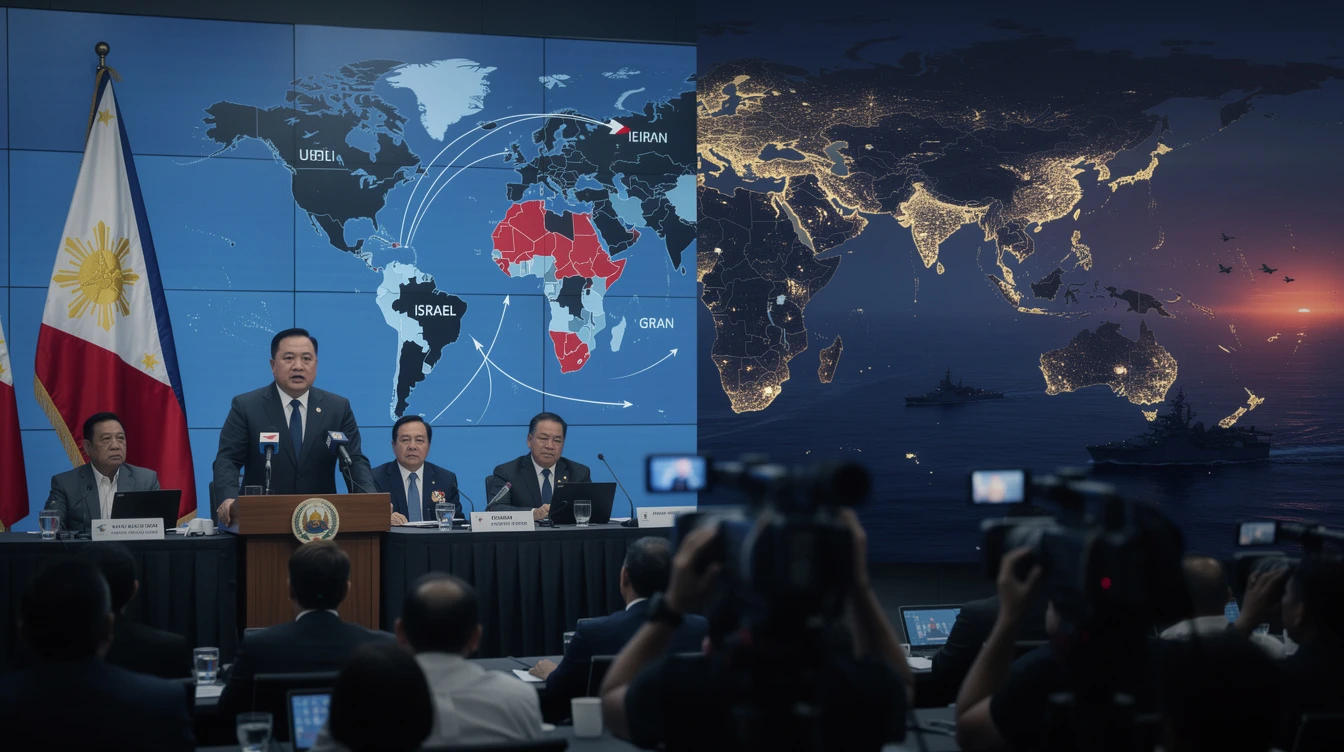
As the Middle East conflict reaches the one-month mark on March 28, 2026, hostilities continue with no clear progress toward a ceasefire. The ongoing war between the United States, Israel, and Iran has resulted in significant casualties across the region, with both sides trading strikes daily.
The fighting shows no sign of slowing down despite international calls for de-escalation. World leaders have urged restraint, but negotiations remain stalled as military operations intensify.
Middle
At least 1,900 people have been killed and 20,000 others injured in Iran since February 28, the Iranian Red Crescent reported on Friday. Civilian casualties have mounted as strikes target populated areas, raising concerns from humanitarian organizations.
The devastation has been particularly severe in western Iran, where US-Israeli strikes killed at least 20 people, including children and a pregnant woman. Dozens more were injured in the attacks, according to a security official quoted in state media.
President Trump has warned that the war is far from over. In a statement, Trump said there are "another 3,554" targets left to hit in Iran. "That'll be done pretty quickly," he said, adding that the conflict is "not finished yet."
Conflict
The president's remarks signal that military operations will continue at an aggressive pace, despite growing international pressure to seek a diplomatic resolution.
Iran's Bushehr nuclear power plant was struck by a projectile late Friday night, marking the third such attack on the facility in recent days. The Atomic Energy Organization of Iran confirmed the strike, raising alarm about potential nuclear contamination risks.
International atomic energy officials have urged all parties to avoid targeting nuclear infrastructure, warning of catastrophic consequences for the region and beyond. So far, these appeals have gone unheeded.
Meanwhile, a cluster munitions strike killed at least one person and injured two others in Israel, according to the country's national emergency service. The attack underscores the dangers posed by indiscriminate weapons in populated areas.
Human rights groups have condemned the use of cluster munitions, calling for an immediate halt to their deployment on both sides of the conflict.
The OECD warned in its latest outlook that global economic growth is projected to slow to 2.9% in 2026, citing the Middle East situation as a key contributing factor. Energy markets have been volatility as supply disruptions loom.
Oil prices have surged amid fears of production shortfalls from the conflict zone. Analysts warn that prolonged hostilities could trigger a global recession, affecting economies worldwide.
One-Month
The conflict has displaced thousands of civilians and strained humanitarian resources across the region. neighboring countries are bracing for potential refugee influxes as fighting continues.
Diplomatic efforts remain deadlocked, with both sides maintaining hardline positions that leave little room for compromise. The international community continues to call for an immediate ceasefire, though observers remain skeptical of a breakthrough anytime soon.