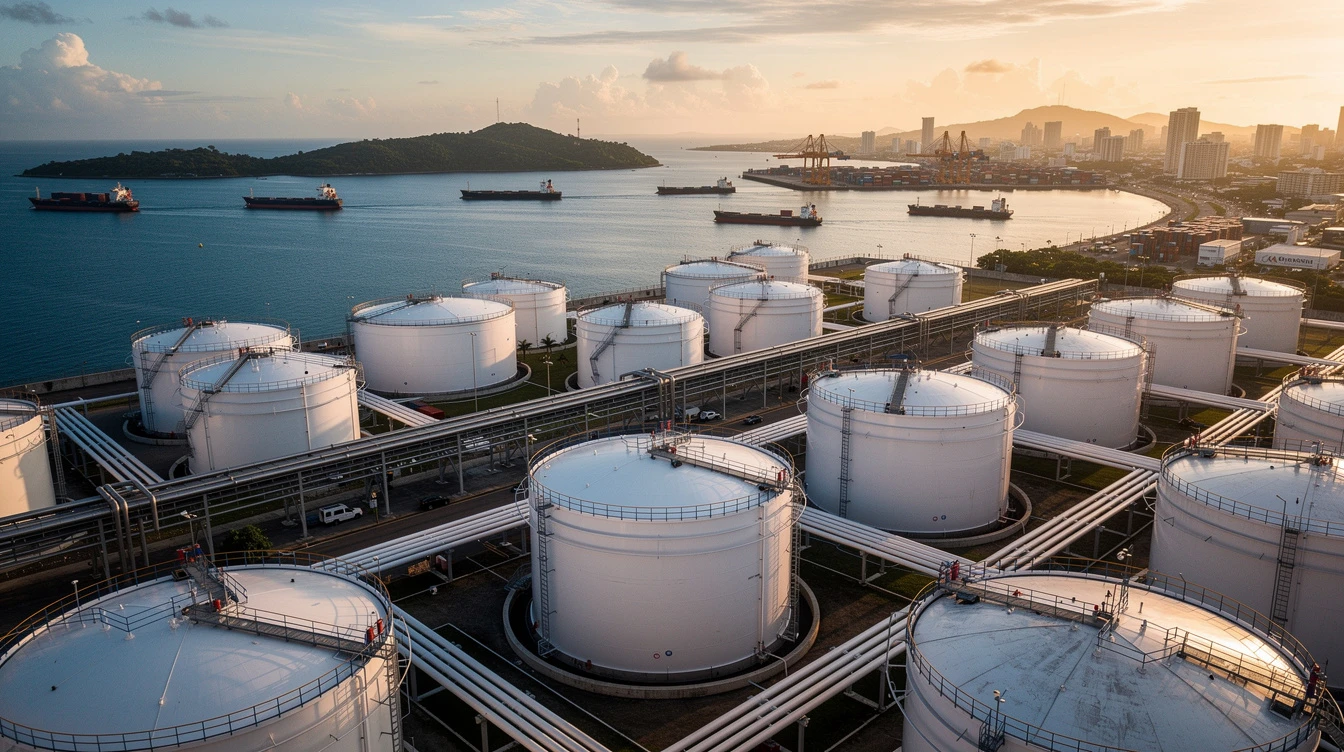
The Maharlika Investment Corporation (MIC) is in advanced discussions with the Philippine government to co-finance a large-scale, expanded oil storage facility within the country, the fund's executives confirmed this week.
This strategic move aims to bolster national energy security by increasing fuel reserves, directly preparing for potential global supply disruptions.
"We are in talks with the government to finance a fuel storage facility," an MIC official stated, highlighting the project's priority status for the sovereign wealth fund.
The planned facility would significantly increase the Philippines' capacity to store imported crude oil and refined petroleum products like diesel and gasoline.
Currently, the country's oil inventory is held primarily by private companies, with limited government-controlled strategic reserves.
A state-backed storage project would give Manila a crucial buffer against volatile international oil prices and geopolitical supply risks.
The initiative is part of MIC's broader mandate to invest in critical national infrastructure that supports long-term economic stability.
Alongside fuel storage, MIC is also eyeing investments in upgrading the country's electricity transmission grid to ensure reliable power.
Funding for the oil facility is expected to come from a combination of MIC capital and direct government appropriations or guarantees.
This partnership model underscores the project's national strategic importance, aligning with the administration's energy security agenda.
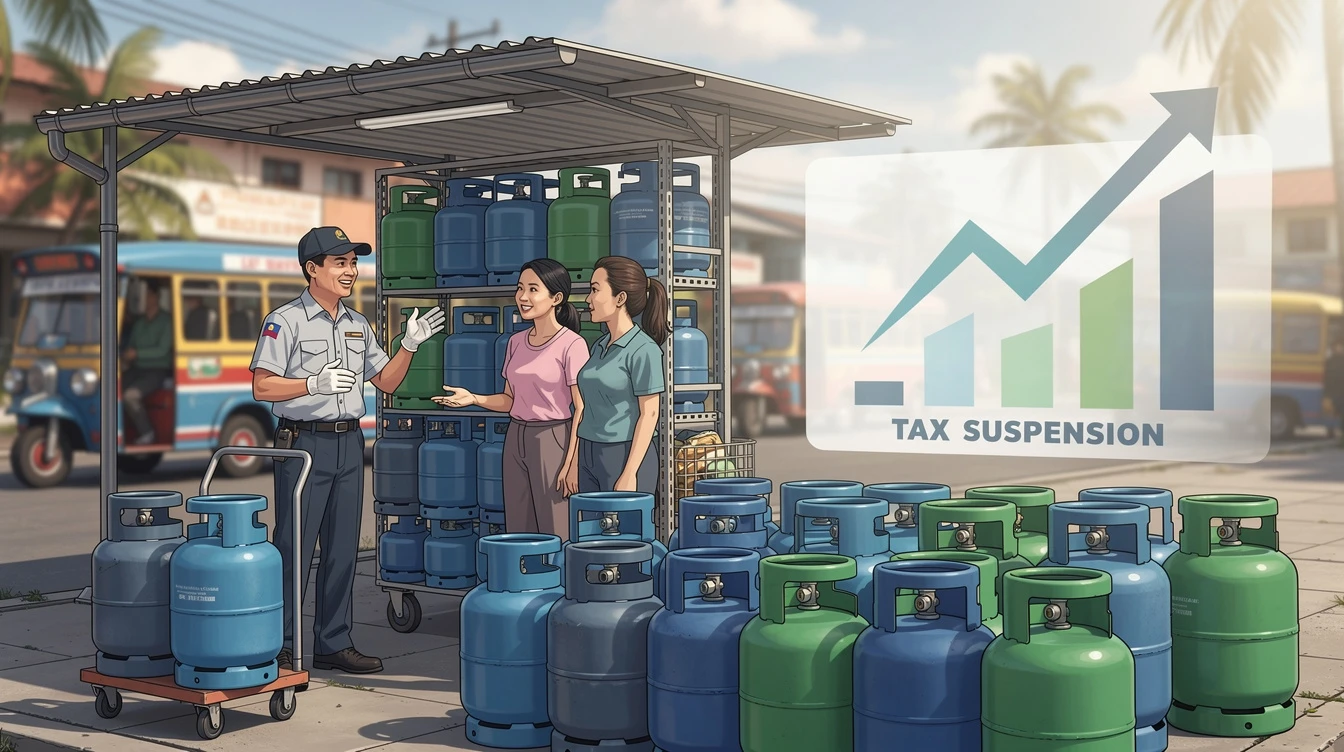
For Filipino consumers and businesses, a larger national fuel reserve could help moderate the sharp pump price spikes seen during global crises.
The Philippines imports nearly all of its crude oil and refined fuel needs, making it extremely vulnerable to international market fluctuations.
Events like the Russia-Ukraine war have previously caused severe price inflation, straining household budgets and increasing transport costs.
A strategic reserve allows the government to release oil into the market during shortages, stabilizing prices and ensuring continuous supply.
This is critical for public transport, logistics, fishing, and agriculture—sectors that millions of Filipino livelihoods depend upon.
The project also has significant implications for national defense and disaster preparedness, ensuring fuel availability during emergencies.
Economists note that while the upfront investment is substantial, the long-term benefits of price stability and supply assurance are considerable.
The MIC's pivot to this infrastructure project marks one of its first major forays into direct, tangible assets since its establishment.
Its success could set a precedent for future sovereign wealth fund investments in other strategic sectors like food security and water.
Details regarding the facility's exact location, storage capacity, and total project cost are still under negotiation with relevant agencies.
The Department of Energy is likely to be a key implementing partner, given its mandate over the downstream oil industry and strategic reserves.
For the millions of overseas Filipino workers (OFWs), a more stable domestic energy situation means their families face lower living costs.
Remittances, which fuel household consumption, retain greater purchasing power when not eroded by sudden inflation in fuel and transport.
The MIC's move is a direct response to a perennial Philippine vulnerability, aiming to build resilience against external economic shocks.
This project signifies a shift towards proactive, state-led investment in foundational security, moving beyond reactive price control measures.
For the average Filipino, the ultimate success of this facility will be measured at the gas pump and in the consistency of electricity supply.