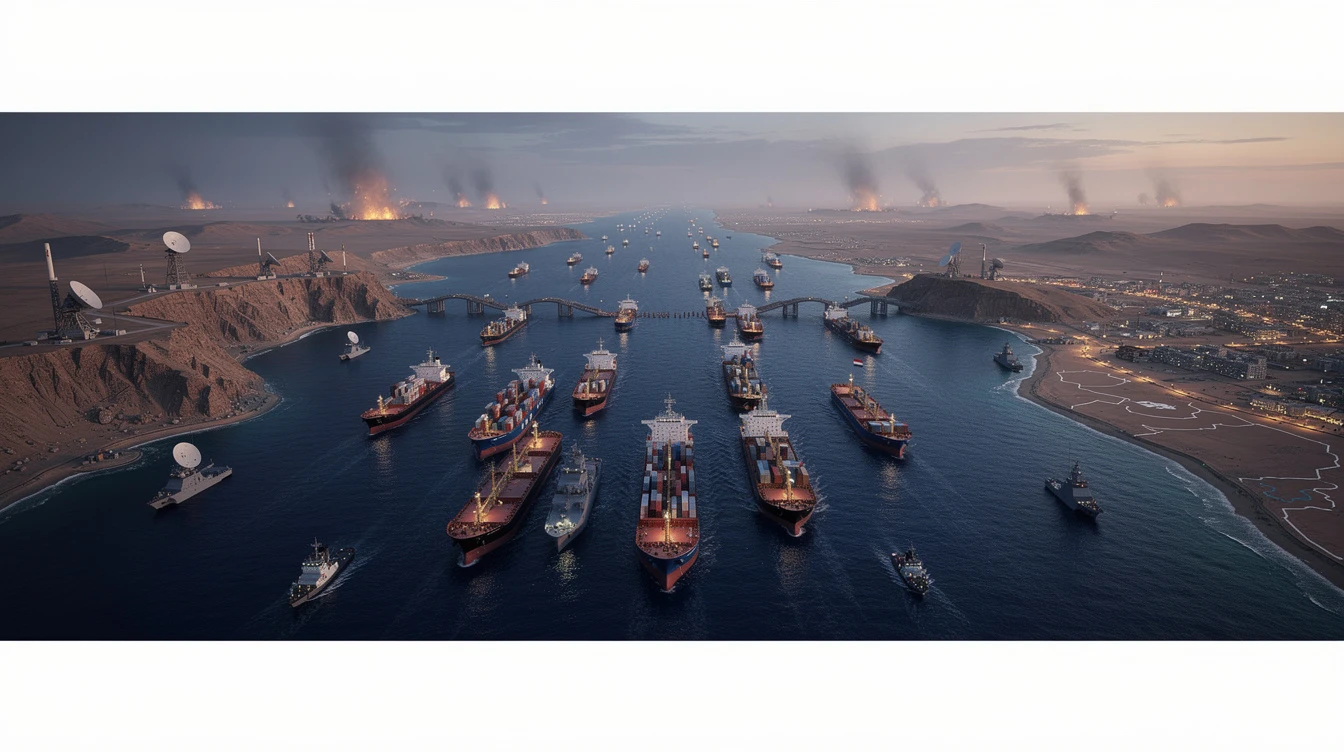
Iran's military has threatened to "completely close" the Strait of Hormuz within 48 hours if Donald Trump follows through on his threat to "obliterate" Iranian power plants. The strait handles approximately 20 percent of the world's oil supply. Tehran's warning comes as both nations exchange increasingly aggressive infrastructure threats, raising fears of broader regional conflict.
Hormuz Crisis: Iran's Threat to Close Vital Oil Shipping Route
48-Hour Ultimatum Sparks Regional Tensions
The ultimatum marks a dangerous new phase in hostilities that began with coordinated US-Israeli strikes against Iranian targets. Iranian officials emphasized the closure would be immediate and comprehensive if Washington's demand that the strait be fully opened goes unmet. The tit-for-tat escalation has drawn international alarm.
Both nations have traded increasingly aggressive threats against each other's infrastructure in recent days. Tehran's warning directly challenges Trump's ultimatum, creating a high-stakes standoff over one of the world's most critical shipping lanes.
Global Oil Markets React to Strait Closure Threat
Oil prices climbed to $110 per barrel following earlier peaks of $115 on news of potential Hormuz disruption. Energy analysts warn gasoline prices could remain elevated for several weeks even if tensions ease, as supply chains scramble to adjust.
The Trump administration temporarily lifted sanctions on millions of barrels of Iranian oil on Friday. US Ambassador to the United Nations Mike Waltz described the move as "very temporary" and necessary to undermine Iran's strategy of driving energy prices dangerously high.
Trump separately indicated the US is considering "winding down" military efforts in the Middle East. However, administration officials insist operations against Iranian missile sites will continue unabated.
Lebanon Drawn Into Widening Middle East Conflict
First Hezbollah-Related Fatality Reported
Rocket fire from Hezbollah killed one person on Sunday, marking the first fatality on Lebanese soil since the latest conflict erupted three weeks ago. The attack occurred after Hezbollah began launching rockets into Israel on March 2 to avenge the killing of Iran's Supreme Leader Ayatollah Ali Khamenei.
The death has heightened concerns about the humanitarian toll of spreading warfare. Displaced families now shelter in tents across Beirut as Israeli strikes continue targeting infrastructure in southern Lebanon. Authorities report multiple border communities have been evacuated.
Israel Accused of Preparing Southern Lebanon Invasion
Lebanese President Joseph Aoun accused Israel of laying groundwork for an invasion of the country's south, alleging Tel Aviv is positioning forces for a ground offensive. Israeli military officials have not confirmed specific invasion plans but maintain operations against Hezbollah targets will persist until all threats are eliminated.
Video footage emerged showing Israeli strikes hitting bridges in southern Lebanon, underscoring the intensity of the current bombardment campaign. Prime Minister Benjamin Netanyahu backed US strikes on Iranian facilities, stating "we do it together, in confidence," signaling continued close coordination despite escalating risks.
International Coalition Forms Against Iran
UK Grants US Base Access for Strikes
The United Kingdom announced it will permit the United States to utilize British military installations for operations targeting Iranian missile sites threatening ships in the Strait of Hormuz. The decision expands the coalition supporting US-led military action, with British forces expected to provide logistical and intelligence support.
This backing represents a significant diplomatic commitment from London, which had previously maintained a more cautious stance on direct intervention in the Iran conflict. Officials emphasized the base access is limited to defensive operations protecting international shipping rather than broader offensive strikes.
Oil Sanctions Lifted Temporarily
The Trump administration announced temporary lifting of oil sanctions affecting millions of barrels of Iranian crude. The move aims to stabilize global energy markets and prevent price spikes that could destabilize allied economies during the escalating conflict.
Waltz stressed the sanctions relief is time-limited and specifically designed to counter Iranian attempts to weaponize energy supplies. Iran has claimed responsibility for missile attacks on key Israeli military bases, further complicating diplomatic efforts to contain the conflict.