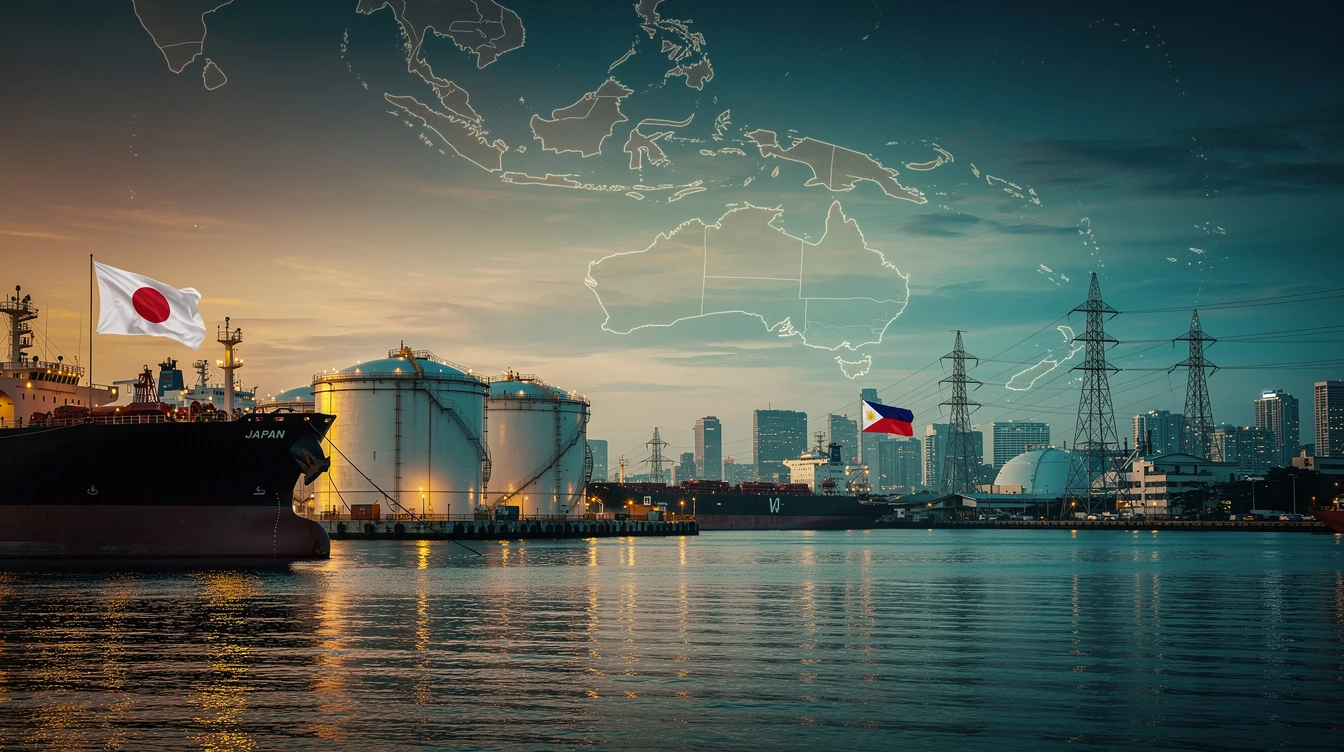
Japan announced on Wednesday a $10-billion financial framework to help Southeast Asian nations, including the Philippines, secure crude oil and petroleum products as Middle East conflicts disrupt global supply chains and drive prices higher.
Prime Minister Sanae Takaichi is expected to announce the plan during an online meeting with ASEAN leaders, with assistance mainly taking the form of loans for oil procurement.
The initiative responds to soaring crude prices following the Iran war that began in late February, creating severe strain on regional economies with limited strategic reserves.
"Supporting Asian countries' supply chains would in turn bolster Japan’s own economy," Japanese officials stated, highlighting the interconnected nature of regional trade.
Compared to Japan, Southeast Asian countries maintain smaller oil stockpiles, leaving supplies of crude and key petroleum products like naphtha increasingly tight.
Japan imports petroleum-derived products from Southeast Asia, including critical medical supplies like surgery gloves and items used at medical facilities.
Many countries in the region maintain limited oil reserves, creating concerns that supply shortages could eventually affect shipments to Japan and other trading partners.
Asked whether countries had requested access to Japan's oil reserves, Takaichi declined to comment but stressed the agreement did not involve releasing Japan's stockpile.
Japan has tapped its strategic reserves in two tranches since the Iran war began but maintains these are for domestic refiners, not foreign nations.
Southeast Asian nations including Vietnam and potentially the Philippines have previously sought help from Japan and South Korea for crude oil supplies.
The Philippine Department of Energy has repeatedly warned about the country's vulnerability to global oil price shocks given its nearly total import dependence.
Every dollar increase in global oil prices translates to additional billions in import costs for the Philippines, affecting everything from transportation to electricity generation.
For the millions of Filipino families dependent on OFW remittances, higher oil prices in host countries mean reduced disposable income and potentially smaller monthly financial support.
The Japan initiative could provide the Philippines with crucial financial breathing room to manage its oil import bills without depleting foreign exchange reserves.
Energy security directly impacts Philippine inflation, with transport and food prices particularly sensitive to fuel cost fluctuations that hurt low-income households most.
Regional cooperation on energy security through frameworks like this could help stabilize prices for all ASEAN members through coordinated purchasing power.
Japan's parallel announcement of releasing 36 million barrels from its national oil reserves from early May may provide additional indirect price relief.
The surge in oil prices has raised concerns in some Southeast Asian countries over their ability to pay for imports, threatening broader economic stability.
For the Philippines, which imports over 90% of its crude requirements, such regional support mechanisms could prove vital during prolonged supply disruptions.
The Japan-ASEAN energy cooperation reflects growing recognition that regional economies must develop collective responses to global market volatility.
This development matters profoundly for Filipino consumers, businesses, and policymakers navigating an increasingly uncertain global energy landscape.