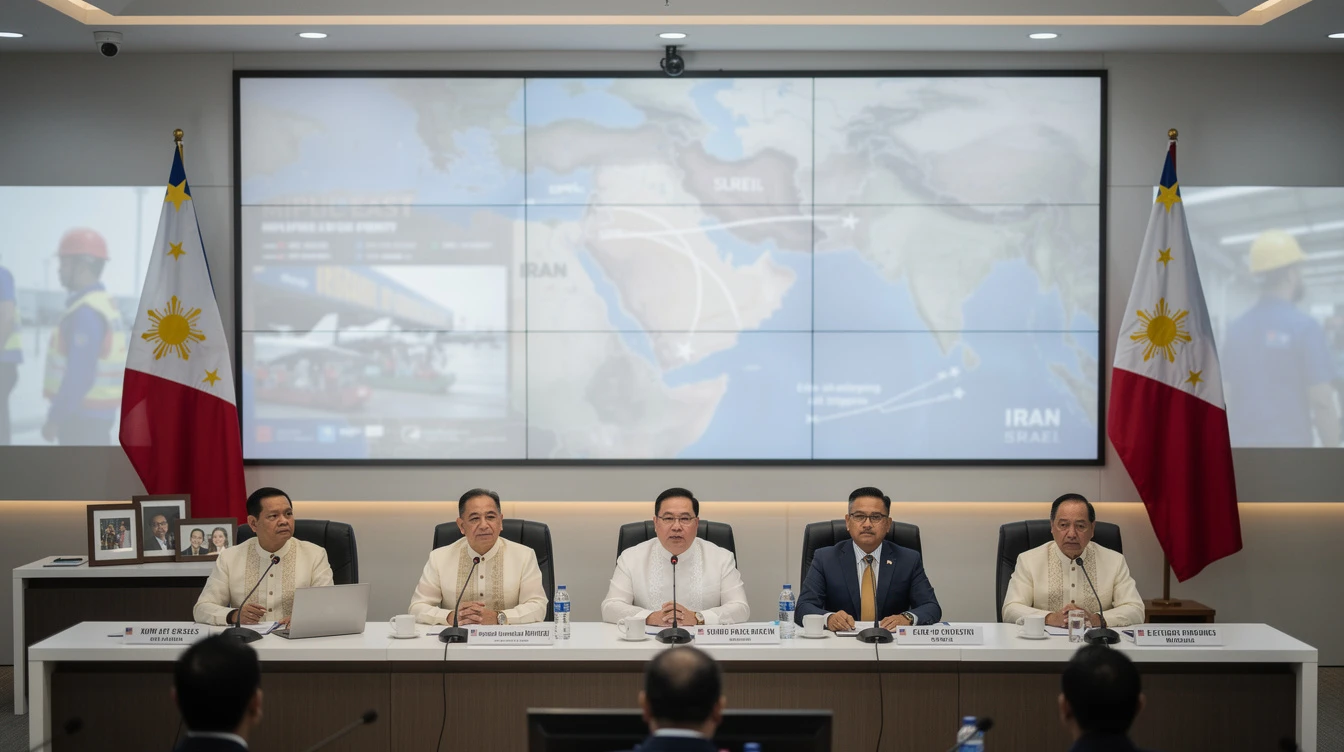
The Philippine House of Representatives will hold an emergency briefing on March 11, 2026, to address the safety of overseas Filipino workers (OFWs) amid escalating Middle East conflict. The session comes after the United States and Israel launched coordinated strikes on Iranian nuclear facilities on February 28, killing hundreds including senior Iranian officials. Lawmakers seek answers from the Department of Foreign Affairs and OWWA on evacuation plans and emergency funds.
House to Hold Emergency Briefing on OFW Safety in Middle East
Lawmakers Summoned as Conflict Spreads Across the Region
Speaker's office confirmed the briefing follows reports of coordinated strikes targeting Iranian nuclear sites. Key officials killed include Ali Khamenei and Ali Larijani. Congressmen want immediate clarification on protocols for at-risk overseas Filipino workers deployed across volatile regions.
Thousands of Filipinos in the Crossfire
Thousands of Filipino workers remain deployed in countries now facing retaliatory strikes. Iran has launched attacks across Iraq, Saudi Arabia, UAE, Kuwait, Jordan, Oman, Qatar, Bahrain, Turkey, Cyprus, and Azerbaijan. The expanding conflict geography has raised serious concerns among families monitoring the crisis from the Philippines.
Growing Concerns Over Gulf Region Stability
The sinking of IRIS Dena, an Iranian naval vessel, and attacks on critical infrastructure including Kuwait's Port Shuaiba, Saudi Aramco refineries, and Iranian desalination facilities have heightened instability fears. Filipino workers in Gulf states face potential displacement as economic disruptions mount and shipping routes through the Strait of Hormuz and Red Sea grow dangerous.
Economic Shockwaves Feared to Hit the Philippines
Oil Prices and Remittance Flows Under Threat
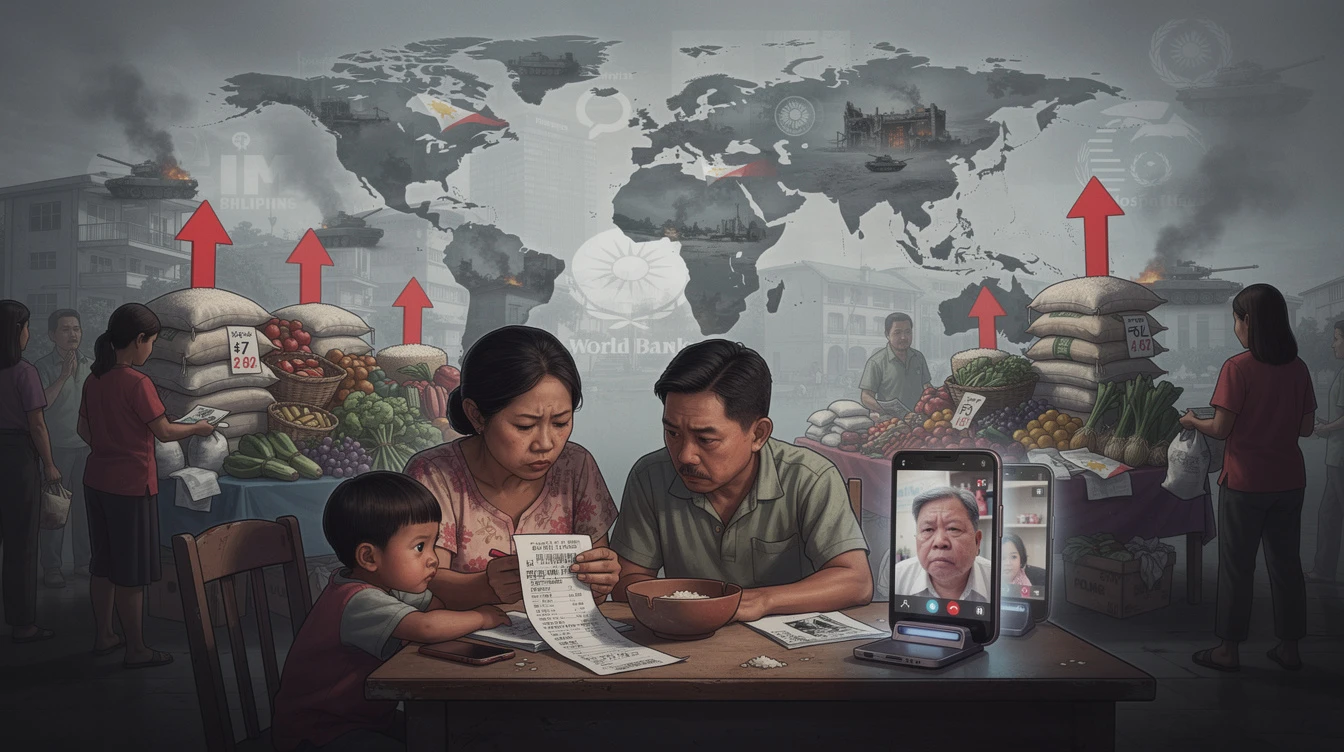
Global markets reacted sharply as oil prices climbed amid fears of Strait of Hormuz disruption—a vital shipping lane. The Philippines, heavily dependent on imported oil and billions in OFW remittances, faces dual economic shocks if conflict persists. Prolonged strait closure would directly impact domestic fuel prices and inflation.
Aviation Hazards and Travel Risks
The crisis created dangerous air travel conditions with multiple aviation shootdowns and accidents reported since strikes began. Filipino migrant workers attempting to return home or travel between Middle Eastern assignments now face heightened safety risks, adding uncertainty to an already volatile employment landscape in the region.
Government Response and Evacuation Preparedness
Philippine Embassies on High Alert
Philippine diplomatic missions across the Middle East have been placed on high alert, though specific evacuation timelines remain undisclosed. The House briefing is expected to pressure the executive branch on contingency plans ranging from mass OFW evacuation to complete shutdown of certain embassies. Congressional advocates push for supplemental budget allocation for potential repatriation costs.
Families Plead for Government Action
Filipino families with loved ones in the region took to social media pleading for clearer communication. Many report difficulty reaching relatives in strike-affected areas or zones experiencing internet blackouts. Senatorial aides confirm incoming calls have surged since February 28, with constituents demanding swift action to protect the Filipino diaspora.
Broader Geopolitical Fallout and What It Means for Manila
Regional Allies Mobilize; Manila Faces Tough Choices
Australia, Canada, United Kingdom, and Spain have mobilized their citizens amid the crisis. China and Russia condemned the strikes while Ukraine expressed solidarity. For the Philippines, balancing U.S. defense ties with Asian economic partnerships, the conflict presents a diplomatic minefield. Filipino diplomats may face pressure to take sides while protecting citizens caught in the middle.