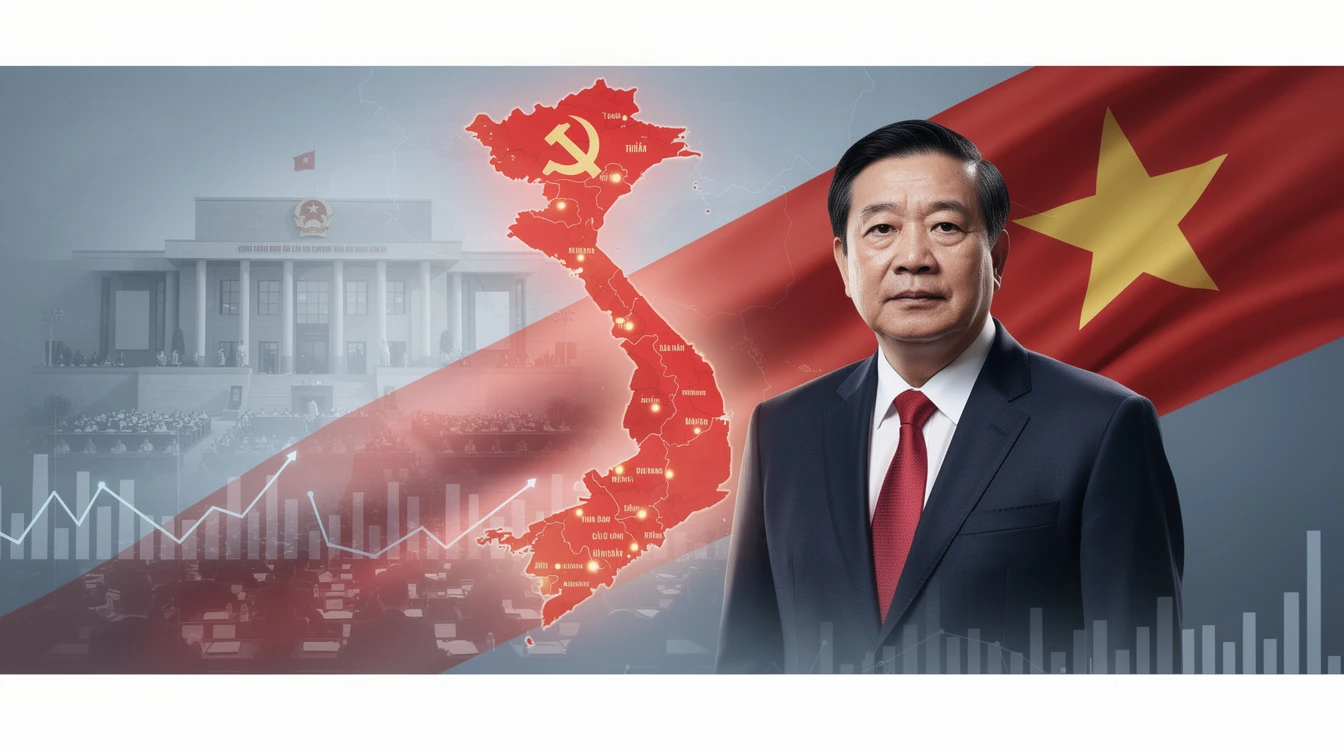
Vietnam's Communist Party chief To Lam, 68, is seeking to combine his position as General Secretary with the state presidency, according to officials briefed on a recent party meeting. This move would significantly alter the country's long-standing power-sharing arrangement and bring its political structure closer to China's model.
The decision rests on the upcoming election of 200 new party delegates next week, which will determine the final leadership lineup. Lam reportedly sought initial party approval for the dual role at a meeting last month ahead of the national congress.
While sources confirmed the party meeting backed Lam to remain party chief, accounts differed on whether he secured support for the presidency. The presidency is largely ceremonial but is currently held by a military figure, highlighting the role's strategic importance.
Combining these roles would mark a major departure from Vietnam's traditional collective leadership system. This system has historically divided power among top offices to prevent dominance by a single individual.
"This represents a fundamental shift in how power is consolidated at the top," a political analyst familiar with Vietnamese politics told Reuters. The move aligns more closely with China, where President Xi Jinping heads both the party and the state.
The potential consolidation comes as Vietnam navigates complex relations with both China and the United States. A stronger, centralized leadership could signal a more unified foreign policy direction, particularly regarding regional security in the South China Sea.
Officials familiar with the matter stated that Lam's bid reflects internal party dynamics and a potential desire for more streamlined decision-making. However, it could also reduce checks and balances within the Politburo.
Vietnam's political system has long operated on a "four pillar" structure, dividing authority among the party chief, president, prime minister, and national assembly chair. Lam's move would effectively collapse two of these pillars.
Analysts suggest this could lead to faster policy implementation but raises questions about political pluralism. The final outcome will be decided at the party congress, where delegates will vote on the central committee's leadership proposals.
This development follows Lam's re-appointment as head of the ruling Communist Party for the next five years, confirmed in Hanoi on January 23. The presidency role became vacant after the previous president resigned amid an anti-corruption campaign.
Observers will closely watch the delegate elections and the subsequent congress for signals about Vietnam's future governance model. The result will have significant implications for both domestic politics and the country's international alignments.