The Pentagon has formally denied giving a "bitter lecture" to Pope Leo XIV's personal envoy, Cardinal Christophe Pierre, during a January meeting summoned after the Pontiff criticized "diplomacy based on force." This denial follows a report by The Free Press that described the session as confrontational.
Pentagon spokesperson Brigadier General Patrick Ryder stated the meeting was a "professional diplomatic exchange" to discuss the Pope's comments. The Vatican had taken issue with the Pope's statement that consensus-based diplomacy was being replaced by force.
Following the meeting, Pope Leo XIV, the first American-born Pope, declined an invitation to attend the US 250th anniversary events. A Vatican official said the Pope has no plans to visit the US while former President Trump remains in office.
The controversy deepened after Pope Leo called a Trump social media post threatening Iran's civilization "truly unacceptable." The Free Press report suggested the Pentagon meeting was a direct response to this papal criticism of US foreign policy posture.
American Undersecretary of Defense for Policy Elbridge Colby summoned Cardinal Pierre days after the Pope's State of the World address. Vatican officials were reportedly so perturbed they advised canceling a planned US visit.
The Pentagon maintains the meeting was routine, aimed at clarifying positions and maintaining open channels with a major global moral authority, not a reprimand.
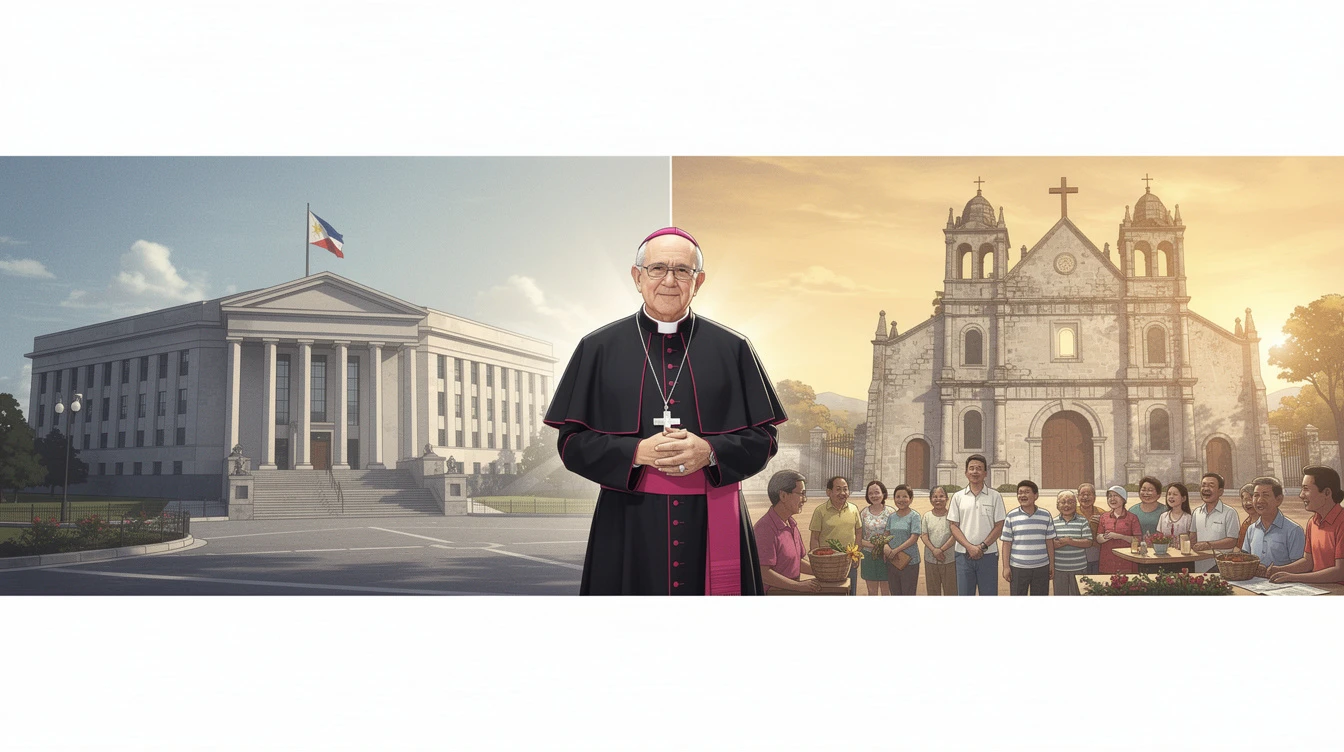
For the Philippines, a predominantly Catholic nation, the Vatican's stance on peace diplomacy resonates deeply. The Philippine Catholic Bishops' Conference of the Philippines (CBCP) has long advocated for peaceful resolution in conflicts, including the West Philippine Sea dispute.
Manila Archbishop Jose Cardinal Advincula has repeatedly called for dialogue over confrontation, mirroring the Pope's criticized philosophy. This alignment places the Philippine Church's moral authority alongside the Vatican in global peace discussions.
The incident highlights the tension between moral authority and state power, a dynamic familiar in Philippine history where the Church has often challenged government policy on human rights and social justice.
Over 10 million Filipino overseas workers and their families globally follow Vatican guidance, making the Pope's diplomatic engagements directly relevant to their faith and worldview. The Church's position influences Filipino communities abroad.
The Pentagon's response underscores how state institutions engage with religious entities on international policy. This has parallels in how Philippine government agencies interact with local Church leaders on sensitive issues.
This news matters to Filipinos as it tests the principle of Church independence from state pressure. The Philippine Church's ability to advocate for peace and migrants' rights abroad could be influenced by how global powers treat Vatican diplomacy.
Filipino Catholics, both at home and overseas, will watch whether moral critique can withstand geopolitical pushback, affirming their own Church's role in national and international discourse.