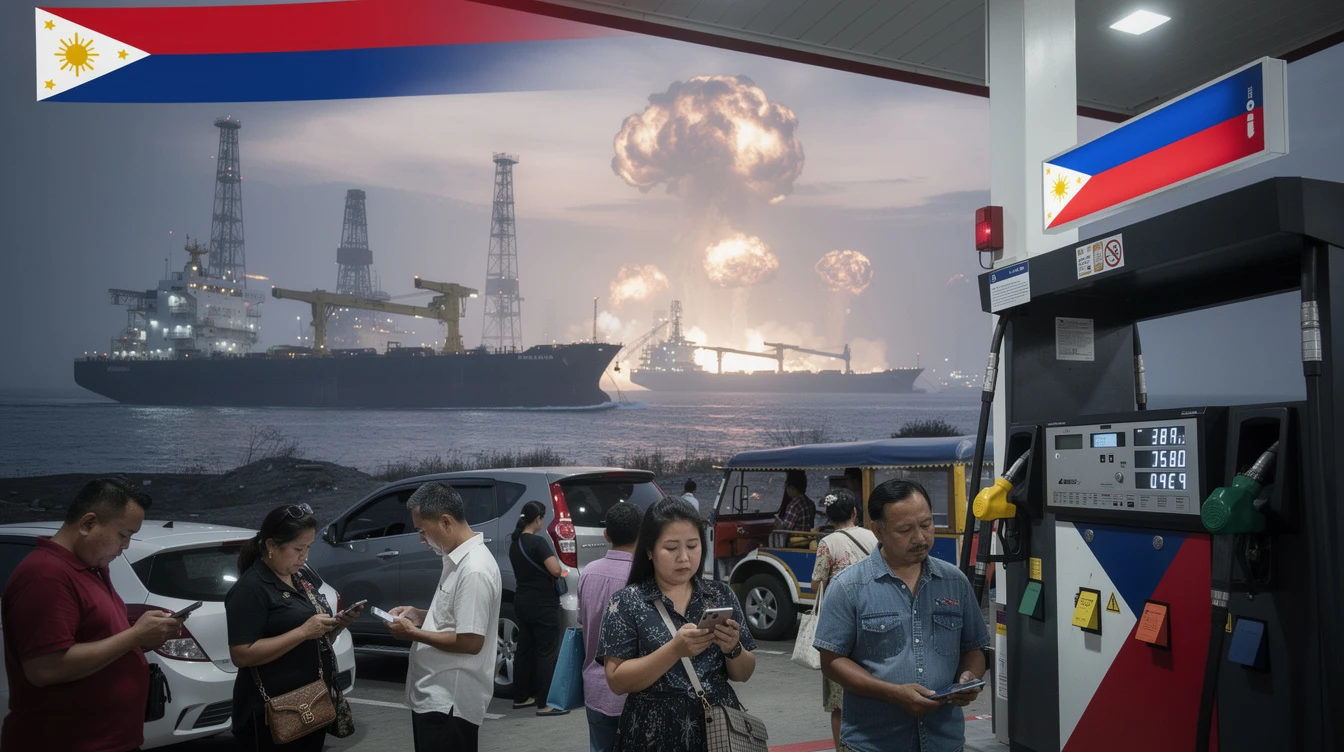
Israel launched fresh attacks on Iran on March 20, 2026, escalating tensions one day after President Donald Trump urged Tel Aviv to halt strikes on Iranian natural gas infrastructure. The warning went unheeded, deepening global market concerns as energy analysts warn of severe disruptions to worldwide oil and LNG supplies.
Escalating Tensions in the Persian Gulf
The timing marks a dangerous new phase in the conflict. On Thursday, Iranian forces struck an oil refinery in the Israeli port city of Haifa, causing temporary power outages across parts of Israel, according to the energy ministry.
While officials reported no significant structural damage, the symbolic targeting of energy infrastructure signaled a deliberate shift in Tehran's approach to the conflict.
Iran Warns of Total Energy Infrastructure Destruction
Iranian military spokesman Ebrahim Zolfaqari issued a stark warning through state media, stating that attacks on Iran's energy facilities opened "a new stage in the war." Zolfaqari specifically referenced strikes on installations linked to the United States and warned of complete destruction of American energy infrastructure and that of its allies.
The conflict has expanded beyond traditional battle lines. Iran launched strikes targeting Qatar's LNG facilities and a Saudi Arabian port, threatening some of the world's most critical energy export routes.
These attacks came after Trump cautioned Israel against striking Iranian offshore gas fields shared with Qatar, highlighting the delicate diplomatic balancing act involved in managing the crisis.
Philippines Faces Rising Fuel Prices Threat
For Filipino consumers already grappling with elevated fuel costs, the Middle East conflict poses a direct threat to household budgets. The Philippines imports nearly all its crude oil and relies heavily on global benchmarks for domestic pump prices.
Regional tensions in the Gulf have historically translated to immediate price increases at Philippine gas stations. Analysts warn that a ₱90 per liter spike remains a distinct possibility if the conflict continues.
Energy sector observers say the timing could not be worse for the Marcos administration. Domestic electricity costs have already risen sharply, and further disruptions to global LNG supplies would compound pressure on power generation costs across the archipelago.
The Energy Department has yet to issue a formal statement on contingency measures, though industry sources indicate emergency consultations are underway.
Global Community Calls for De-escalation
World leaders have expressed mounting alarm at the widening conflict. The United Nations Secretary-General renewed calls for an immediate ceasefire, while EU foreign policy chief Kaja Kallas warned that targeting energy infrastructure risked "catastrophic" consequences for global economic stability.
Markets reacted with visible anxiety, with oil futures climbing sharply on Friday amid uncertainty over whether attacks would continue through the weekend.
The Philippines, with heavy dependence on imported energy and a diaspora workforce concentrated in Middle Eastern countries, finds itself particularly vulnerable. Overseas Filipino workers in the region face potential evacuation scenarios, while domestic inflation could accelerate if fuel prices spike as predicted.
Philippine officials have urged calm while monitoring the situation through diplomatic channels. As of press time, there has been no official response from the Department of Foreign Affairs regarding potential repatriation plans for Filipinos in Israel or Iran.
- Israel launched fresh attacks on Iran on March 20, 2026, a day after Trump's warning
- Iranian strikes hit an oil refinery in Haifa, Israel, on Thursday
- Iranian military spokesman Ebrahim Zolfaqari warned of complete destruction of enemy energy infrastructure
- Iran also struck Qatar's LNG facilities and a Saudi Arabian port
- The Philippines relies heavily on imported oil and LNG, making it vulnerable to price spikes