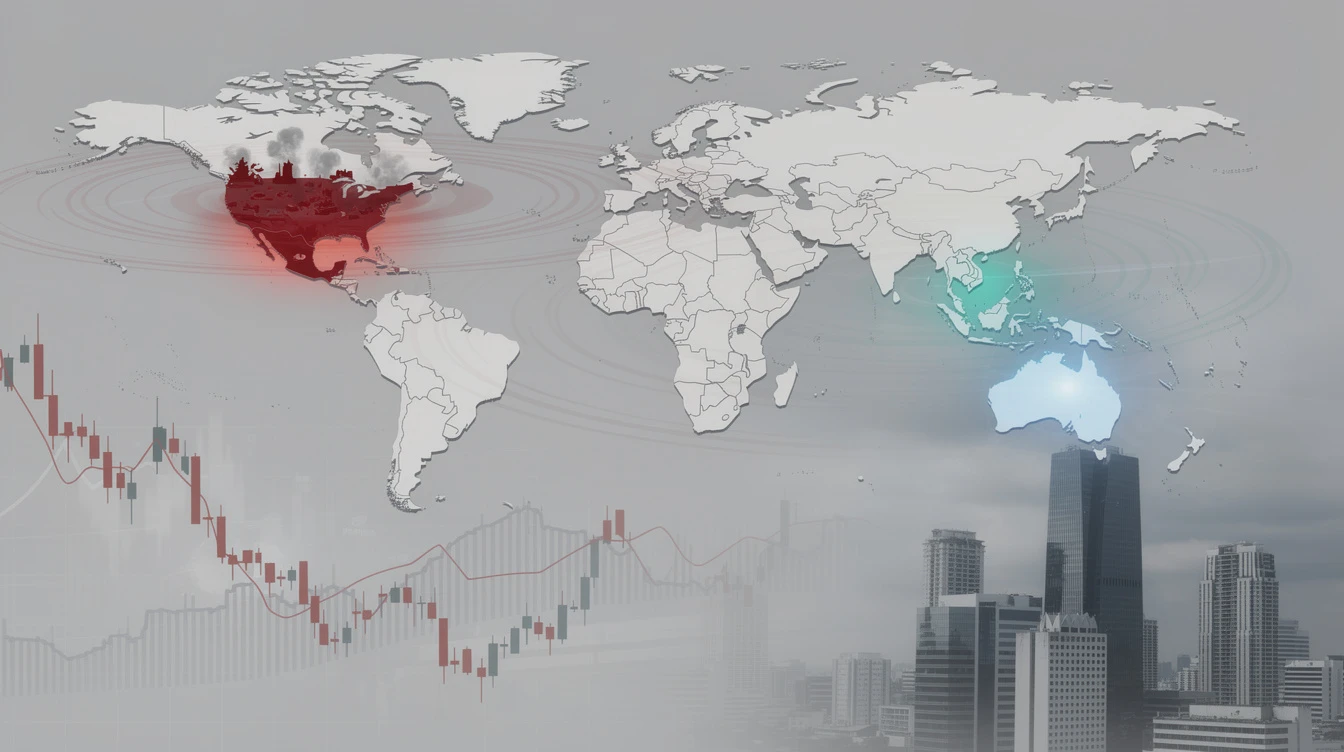
WASHINGTON — International Monetary Fund Managing Director Kristalina Georgieva issued a stark warning Sunday, stating the global monetary system is unprepared for massive cybersecurity risks amplified by advanced artificial intelligence, declaring "time is not our friend."
Georgieva specifically cited concerns about Anthropic's new Claude Mythos Preview AI model, which has demonstrated a "leap" in finding and exploiting decades-old security vulnerabilities in financial networks.
Her interview on "Face the Nation" followed an urgent Tuesday meeting between Federal Reserve Chair Jerome Powell, Treasury officials, and Wall Street leaders to discuss the specific threats posed by this AI.
"We do not have the ability to protect the international monetary system against massive cyber risks," Georgieva stated bluntly, calling for central banks worldwide to work together.
For the Philippines, a nation with a rapidly digitizing economy and heavy reliance on overseas remittances, this global alert carries immediate and profound implications.
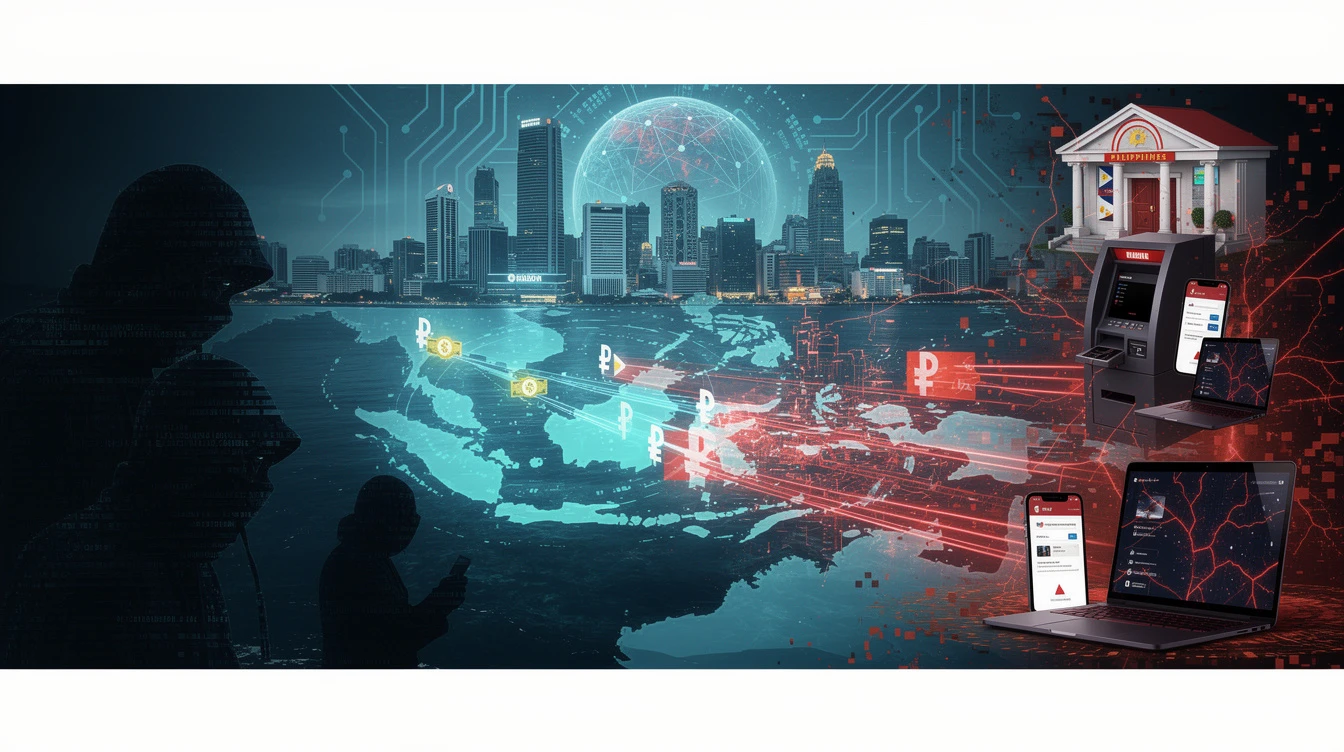
The Bangko Sentral ng Pilipinas (BSP) and major Philippine banks are now under pressure to audit their cyber defenses against a new generation of AI-powered threats.
"The Philippine financial system's integrity is directly tied to global networks," said a Manila-based financial technology analyst who requested anonymity.
"An AI-driven attack on international settlement systems like SWIFT could freeze the flow of billions in OFW remittances overnight."
In 2023, personal remittances from overseas Filipinos reached a record $37.2 billion, a lifeline for millions of families and nearly 9% of GDP.
The BSP has actively promoted digital payments through its Digital Payments Transformation Roadmap, aiming for 50% of transactions to be digital by year-end.
This push for digitalization, while boosting financial inclusion, also expands the potential attack surface for sophisticated cyber operations.
Georgieva's warning suggests that legacy systems still used by some local banks and government agencies could be especially vulnerable to AI discovery.
Anthropic's blog post noted its AI model could identify vulnerabilities "some of them decades old," a description that matches aging core banking systems in some emerging markets.
The Philippine government's own critical infrastructure, including the Bureau of the Treasury and Philippine Clearing House Corp., must now reassess resilience.
National Security Adviser Eduardo Año previously highlighted cybersecurity as a top priority, but funding and expertise gaps remain significant challenges.
For the average Filipino, the threat translates to potential disruptions in ATM services, mobile banking apps like GCash and Maya, and delays in salary and remittance processing.
A successful large-scale attack could erode hard-won public trust in digital finance, reversing years of progress toward a cash-lite society.
The IMF chief's call for global cooperation places the BSP in a crucial position to demand better security protocols from its international banking partners.
This development is a wake-up call for Philippine regulators and financial institutions. The integrity of the peso, the stability of local banks, and the financial security of millions of OFW families now depend on a race to fortify digital walls against an AI adversary that never sleeps.