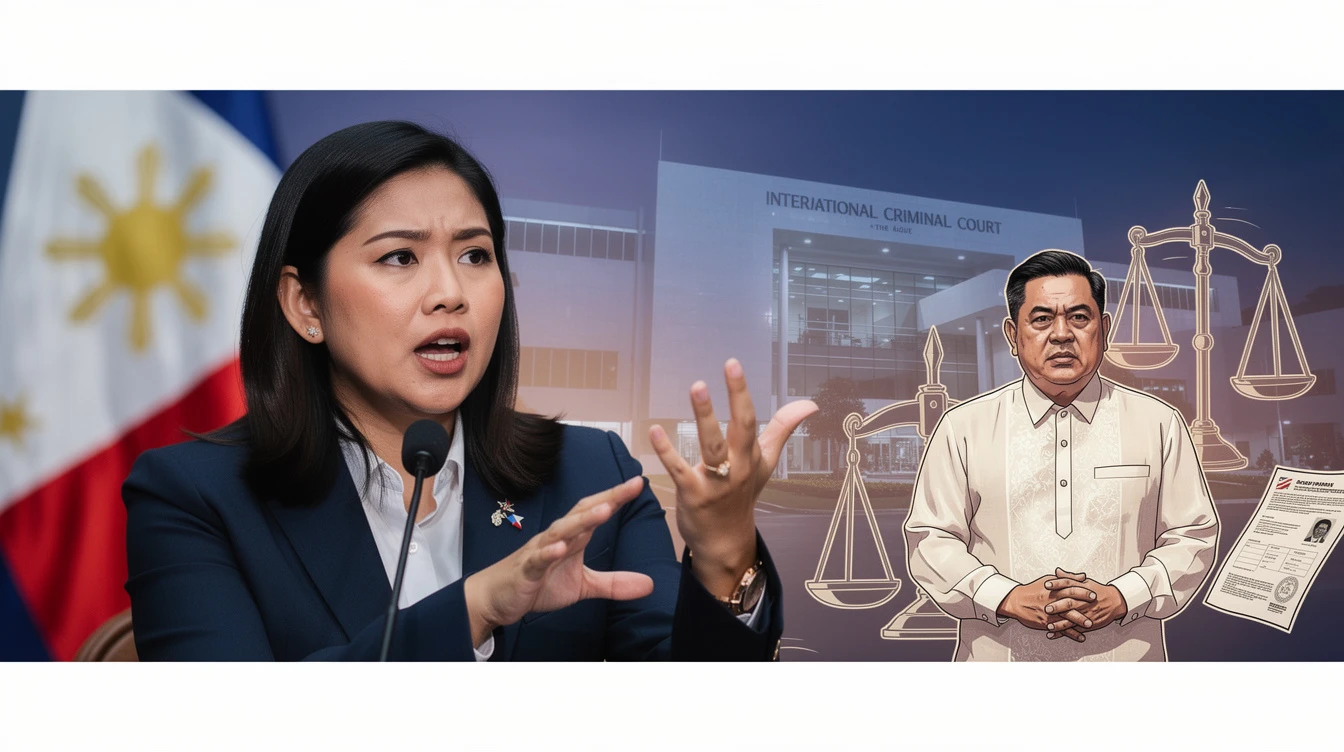
ICC trial chamber orders new review of Duterte detention
The International Criminal Court Trial Chamber III has ordered a review of the continued detention of former President Rodrigo Duterte in The Hague, Netherlands, directing all parties to submit observations by May 15, 2026, ahead of the first status conference.
In a four-page order dated May 1, 2026 (ICC-01/21-01/25-424), the chamber said it is necessary to allow the prosecution, the defense, and victims' lawyers to submit observations on Duterte's detention at the Scheveningen prison complex or any motion for his temporary release.
According to the order posted on the ICC website, this is the first time the detention of the 81-year-old former leader will be reviewed at the trial stage of his crimes against humanity case. Previous reviews occurred during pre-trial proceedings.
Deadline and next steps
The Trial Chamber III set May 15, 2026 as the deadline for all submissions. The chamber will use these filings to determine the appropriate dates for the trial proper during the first status conference.
Observations must be filed electronically through the court's e-Court system. The order specifically asks parties to address the necessity of continued detention or grounds for temporary release under Article 60(3) of the Rome Statute.
Background of Duterte's ICC case
The former Philippine president has been in ICC custody since his arrest in March 2025 following an investigation into alleged crimes against humanity during his drug war from 2016 to 2022.
Duterte was transferred to the ICC detention center in The Hague after a warrant of arrest was issued by Pre-Trial Chamber I. He faces charges of murder as a crime against humanity for the deaths of thousands of suspected drug users and dealers.
The Philippine government, under President Ferdinand Marcos Jr., has maintained cooperation with the ICC while also pursuing diplomatic efforts to challenge the court's jurisdiction, citing the country's withdrawal from the Rome Statute in 2019.
Victims' participation and defense strategy
The order also invited victims' legal representatives to submit observations, reflecting the ICC's recognition of victims' rights to participate in proceedings affecting their interests.
Defense lawyers for Duterte have consistently argued for his release on grounds of age, health conditions, and lack of flight risk. They have also challenged the ICC's jurisdiction over actions taken during the drug war, claiming state authorities acted within domestic legal frameworks.
Comparison with past detention reviews
Under the Rome Statute, detention reviews are mandatory at the trial stage to ensure no accused is held unnecessarily. The ICC's Article 60(3) requires periodic review of detention, especially after confirmation of charges.
Unlike pre-trial reviews, which focused on whether there were reasonable grounds to believe Duterte committed the crimes, the trial-stage review now factors in trial readiness and potential timeline. The chamber may consider conditions for release, including electronic monitoring or travel restrictions.
A similar review took place in the case of Laurent Gbagbo, where the ICC ordered conditional release after finding no continued risk of flight. However, Duterte's case involves allegations of witness tampering concerns raised by the prosecution.
Significance for Filipino readers
This development marks a critical procedural step in the ICC's first case involving a former Philippine head of state. For Filipinos, the review process underscores the ongoing legal reckoning over the drug war that claimed thousands of lives.
Whether Duterte remains in custody or is granted temporary release will heavily influence perceptions of international justice in the Philippines, where public opinion remains sharply divided on his legacy and the ICC's intervention in the country's affairs.
This article is based on official ICC records and reporting by the Philippine Daily Inquirer. For more context on the ICC case, visit our related coverage on Duterte's drug war.
Frequently asked questions
What does the ICC Trial Chamber III order require?
The order directs the prosecution, defense, and victims' lawyers to submit observations on whether Duterte should remain in detention or be granted temporary release. Submissions are due by May 15, 2026.
When was Duterte first detained by the ICC?
Rodrigo Duterte was arrested in March 2025 and transferred to the ICC detention center in The Hague, Netherlands, after a warrant was issued by Pre-Trial Chamber I for crimes against humanity related to his drug war.
Can Duterte be released pending trial?
Under Article 60(3) of the Rome Statute, the court may order conditional release if no continued risk of flight, obstruction of justice, or danger to victims/witnesses is found. The chamber will decide after reviewing submissions.
How does this affect the timeline of the trial?
The detention review must be resolved before the first status conference, where dates for trial proper will be set. A decision on detention is expected by mid-2026, with trial likely to start in late 2026 or early 2027.