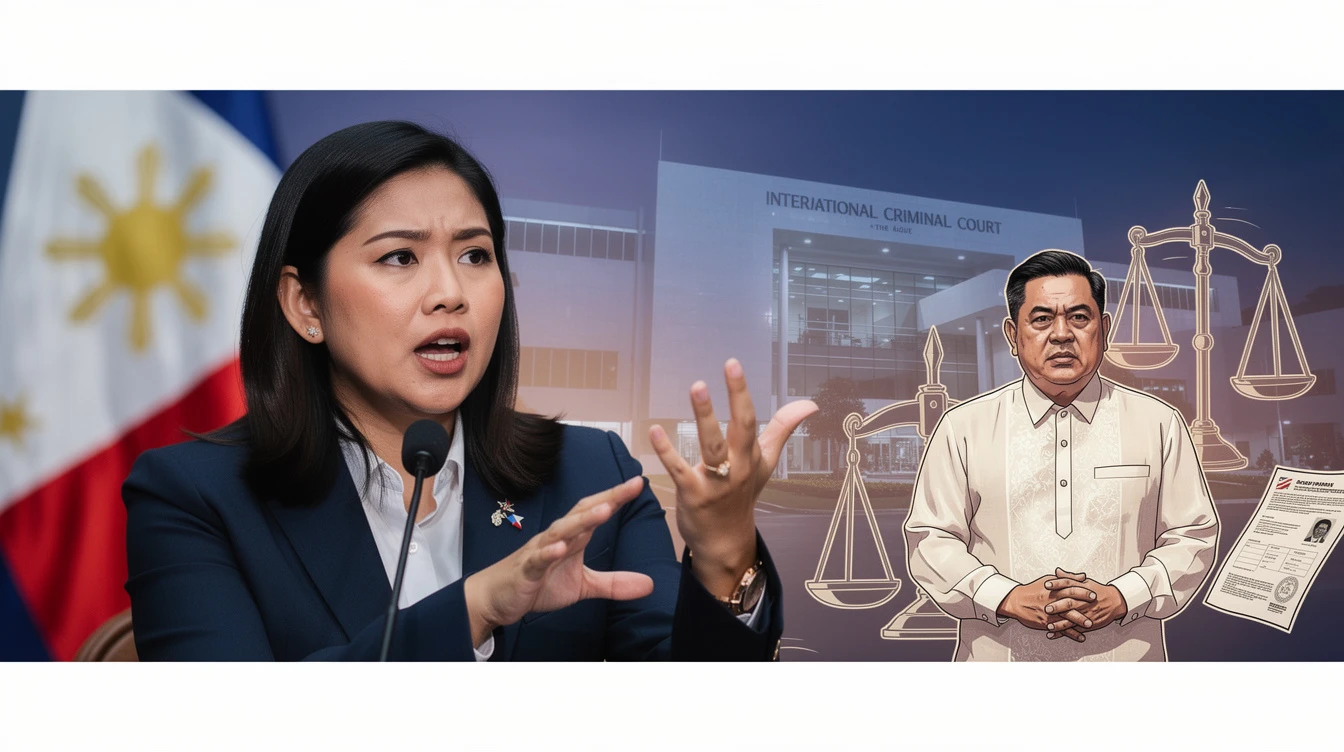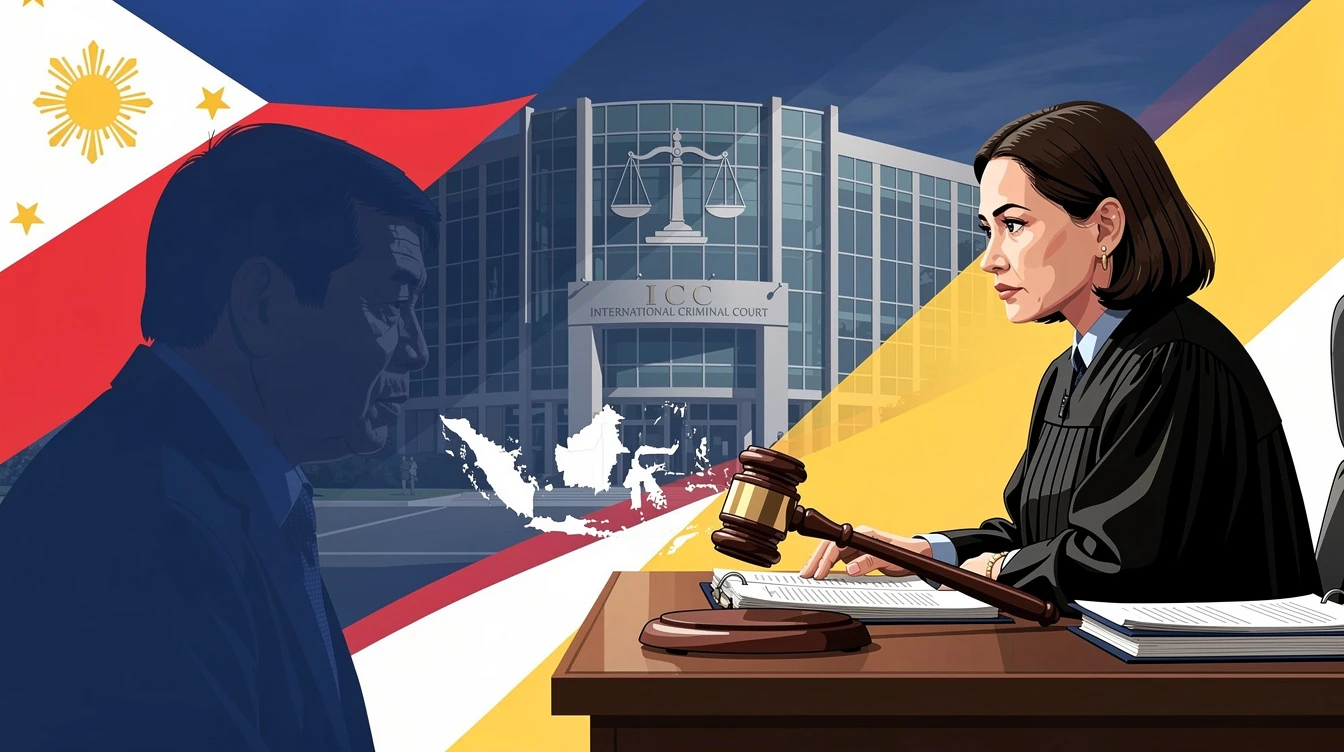
The International Criminal Court (ICC) has taken a significant step in the case against former Philippine President Rodrigo Duterte, naming Judge Joanna Korner as the presiding judge of Trial Chamber III. This appointment, announced less than a week after the ICC assigned the case to the chamber, sets the stage for what could be a historic trial.
Judge Korner, a British jurist with decades of experience in international criminal law, now holds the gavel in a case that has divided public opinion in the Philippines. Her role will be pivotal as the court moves from preliminary phases to trial preparations.
The decision to elect Korner was outlined in a three-page document from the trial chamber, as reported by GMA News. The chamber's choice underscores the ICC's commitment to impartial proceedings in cases involving alleged crimes against humanity.
[Featured Image: A formal portrait of Judge Joanna Korner in judicial robes, with the ICC logo in the background, symbolizing her authority in the Duterte case.]The Appointment: A Swift Decision
The ICC's Trial Chamber III elected Judge Korner as presiding judge just days after the chamber was assigned to handle the Duterte case. This quick action signals the court's intent to move forward efficiently.
According to sources, including updates from the Philippine Daily Inquirer on Facebook, the election took place during a confidential session among the three judges of Trial Chamber III. Judge Korner's peers selected her based on her seniority and expertise in complex international cases.
Judge Korner's Background
Judge Joanna Korner brings a wealth of experience to the bench. She served as a judge in the United Kingdom and has worked on high-profile cases at the International Criminal Tribunal for the former Yugoslavia (ICTY).
Her career includes prosecuting war crimes in Bosnia and Kosovo, making her well-versed in the nuances of crimes against humanity. Legal experts note that her track record suggests a no-nonsense approach to courtroom proceedings.
[Chart/Infographic: A timeline of the ICC's involvement in the Philippines situation, from the 2018 preliminary examination to the 2026 trial chamber assignment.]What This Means for the Duterte Case
The appointment of a presiding judge is more than a procedural formality. Judge Korner will control the trial's pace, rule on evidence admissibility, and manage pre-trial motions. Her decisions could shape the case's outcome.
The Philippines, which withdrew from the ICC in 2019, remains under the court's jurisdiction for crimes allegedly committed while it was still a member. The ICC opened an investigation in 2021 into Duterte's war on drugs, which claimed thousands of lives.
Former President Duterte has maintained his innocence, stating that his administration followed due process. Supporters in the Philippines view the ICC case as foreign interference, while human rights groups see it as a necessary step for accountability.
Key Developments Leading to This Point
The ICC's Pre-Trial Chamber I had previously authorized the investigation in 2021, citing credible evidence of crimes against humanity. In 2024, the court issued an arrest warrant for Duterte, though he remains in the Philippines.
Philippine government officials have consistently rejected ICC jurisdiction, arguing that the country's own judicial system can handle any allegations. However, the Supreme Court of the Philippines has not issued a ruling on the matter, leaving the legal landscape uncertain.
Expert Opinions on Judge Korner's Appointment
Legal analysts in the Philippines have weighed in on the development.Atty. Maria Luz Reyes, a Manila-based international law practitioner, told PinoyPulse that Judge Korner's appointment is a crucial step. "She is known for fairness but also firmness. This could mean a more streamlined trial."
Other experts highlight that Judge Korner's experience in the ICTY could influence how the ICC handles evidence from the Philippines. "She understands the challenges of gathering witness testimony in politically sensitive cases," said Prof. Juan dela Cruz, a UP law professor.
The appointment also comes amid renewed debates in the Philippines about the ICC's legitimacy. Some lawmakers have called for the government to cooperate, while others demand that the court withdraw its case entirely.
Real-World Impact on Filipinos
For ordinary Filipinos, the ICC case remains a distant legal proceeding, but its ramifications could be far-reaching. Families of victims of the drug war have expressed cautious optimism about Judge Korner's appointment.
"We hope she will give our loved ones a voice," said Liza M., whose son was killed in a drug raid in 2017. Meanwhile, supporters of Duterte view the trial as a political attack. "The ICC has no right to judge us," said Ricardo S., a Duterte loyalist from Davao City.
The Philippine government has consistently stated that it will not honor ICC requests, but the court can proceed in absentia. This dynamic creates a high-stakes legal and diplomatic challenge for the administration.
Future Outlook: What Comes Next
With Judge Korner at the helm, the ICC will now focus on pre-trial preparations. This includes setting hearing dates, determining whether Duterte will participate, and addressing any jurisdictional challenges.
Observers predict that the trial could take years, especially if Duterte's legal team contests the ICC's authority. However, Judge Korner's leadership may expedite certain procedures.
For the Philippines, this case is a test of its relationship with international justice systems. While the government remains defiant, the ICC's persistence suggests that the Duterte case will continue to dominate headlines for months or even years.
FAQ
Who is Judge Joanna Korner?
Judge Joanna Korner is a British jurist and the newly appointed presiding judge of ICC Trial Chamber III. She has extensive experience in international criminal law, including service at the ICTY.
What is the ICC case against Rodrigo Duterte?
The ICC is investigating former President Rodrigo Duterte for crimes against humanity related to his war on drugs, which allegedly led to thousands of extrajudicial killings.
Will the Philippines cooperate with the ICC?
As of now, the Philippine government has stated it will not cooperate with the ICC, arguing that the country's withdrawal from the court means it has no jurisdiction.
When will the trial start?
No trial date has been set yet. The ICC will first handle pre-trial matters, including jurisdictional issues, before scheduling hearings.
Related Articles
For more insights, read our analysis onThe ICC Philippines Investigation Timeline andJustice for Drug War Victims. Visit ourJustice and Human Rights section for updates, and learn more about our mission on ourAbout page.
External sources:GMA News article,MSN News report.
Conclusion
The appointment of Judge Joanna Korner as presiding judge is a milestone in the ICC's case against Rodrigo Duterte. Her leadership could bring a measured but decisive approach to proceedings, which have global and domestic implications. As the legal battle unfolds, the Philippines will remain at the center of a debate over sovereignty, justice, and accountability.