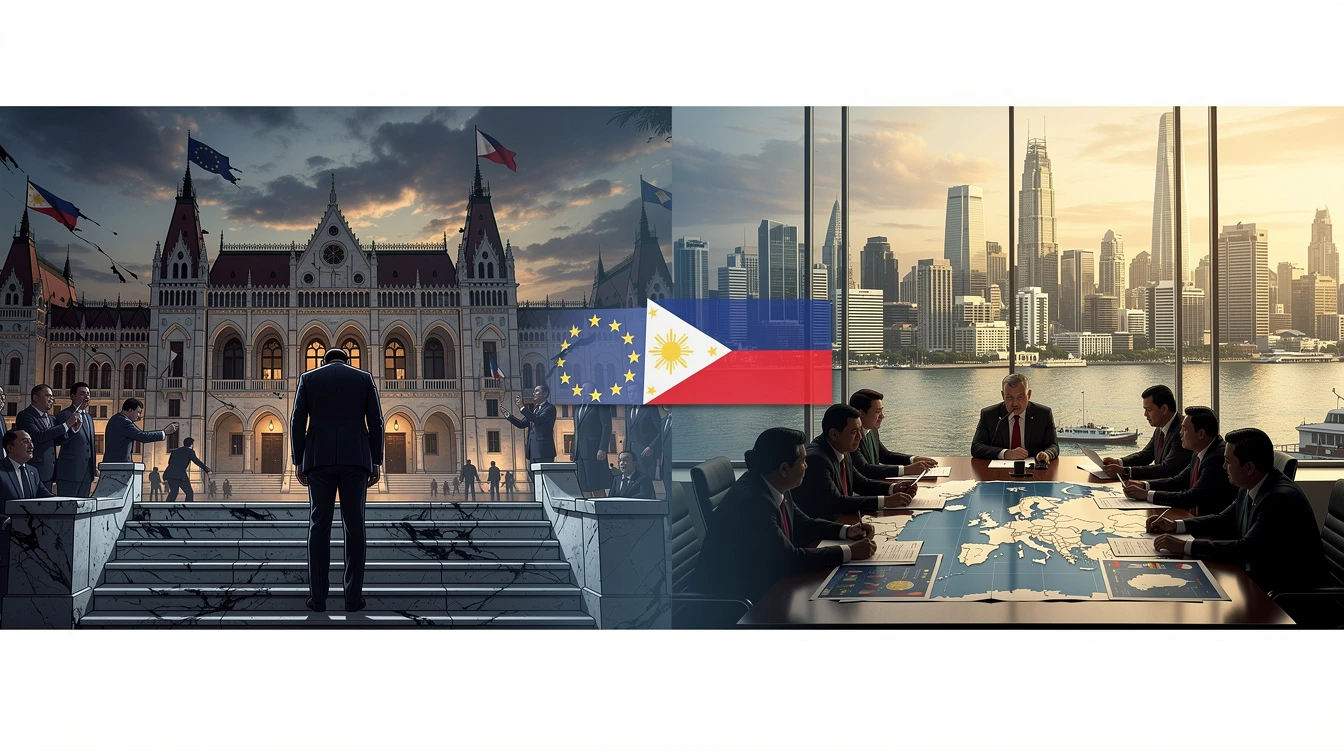
Hungarian Prime Minister Viktor Orban conceded a landmark electoral defeat on Sunday after a landslide victory by the centre-right opposition Tisza party.
The defeat ends Orban's 14-year uninterrupted rule, marking a significant political shift within the European Union.
Official results show the opposition coalition securing a decisive majority, fundamentally altering Hungary's political landscape overnight.
Orban, known for his "illiberal democracy" model, acknowledged the result in a brief statement from Budapest.
Political analysts in Manila are closely monitoring the implications for the Philippines' relationship with the EU bloc.
Orban's government had often been a vocal critic of EU foreign policy positions, including those on human rights.
This created occasional alignment with Philippine positions when Manila faced criticism from Western European members.
A new Hungarian government could alter the EU's internal dynamics on issues like migration and rule of law.
"This changes the calculus in Brussels," said a Manila-based foreign policy expert speaking on background.
"The Philippines may find a less sympathetic ear in Hungary on certain diplomatic fronts."
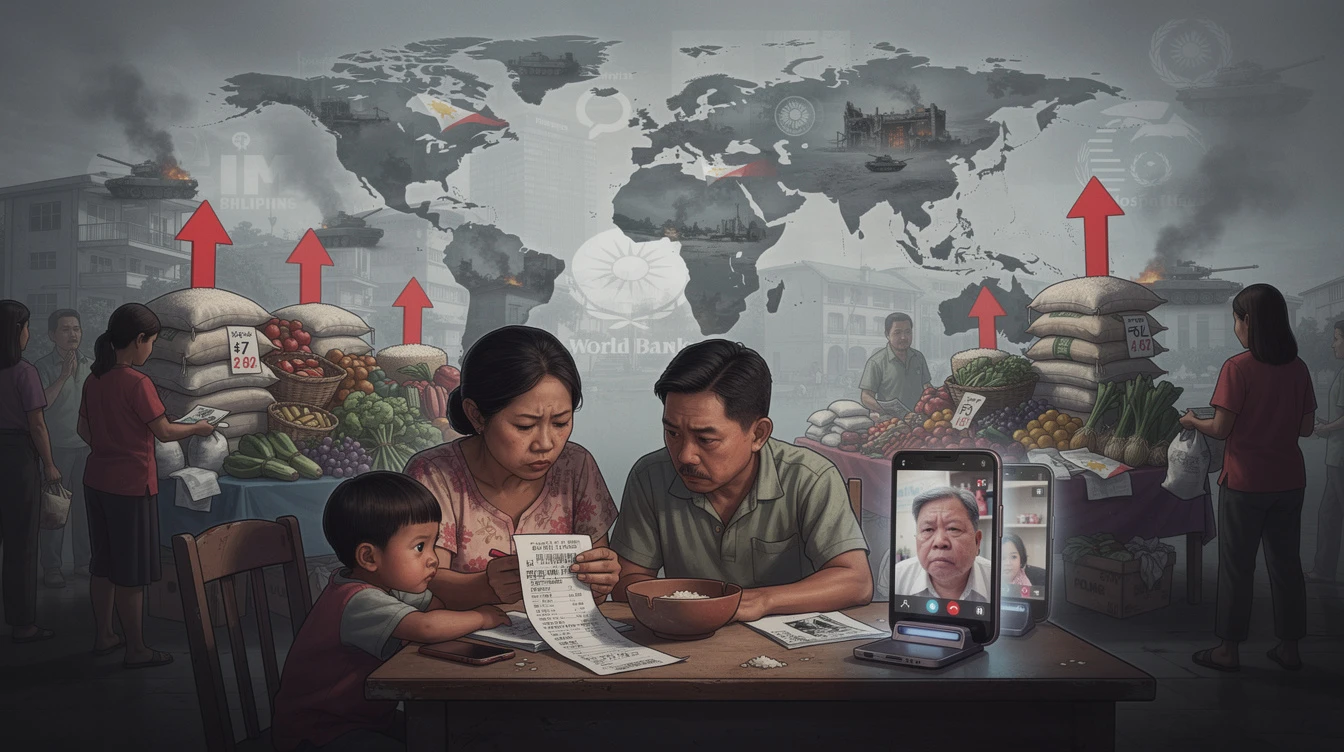
The shift could influence EU collective positions affecting thousands of Filipino overseas workers in Europe.
Over 15,000 Filipinos reside in Hungary, with many more across the EU whose status is shaped by bloc-wide policies.
Changes in EU governance could impact labor migration agreements and diplomatic support for OFW protections.
Economically, Hungary has been a gateway for some Philippine businesses seeking entry into the Central European market.
A policy reorientation in Budapest might affect bilateral trade and investment flows with the Philippines.
The Philippine Department of Foreign Affairs is expected to issue a standard congratulatory message to the new government.
Behind the scenes, diplomats will be assessing how to engage with a politically transformed Hungary.
For the Marcos administration, the event serves as a case study in political longevity and voter sentiment shifts.
Observers note that Orban's nationalist-populist playbook had drawn both admiration and criticism from various Philippine political quarters.
His defeat may recalibrate local political strategies that looked to his model for inspiration.
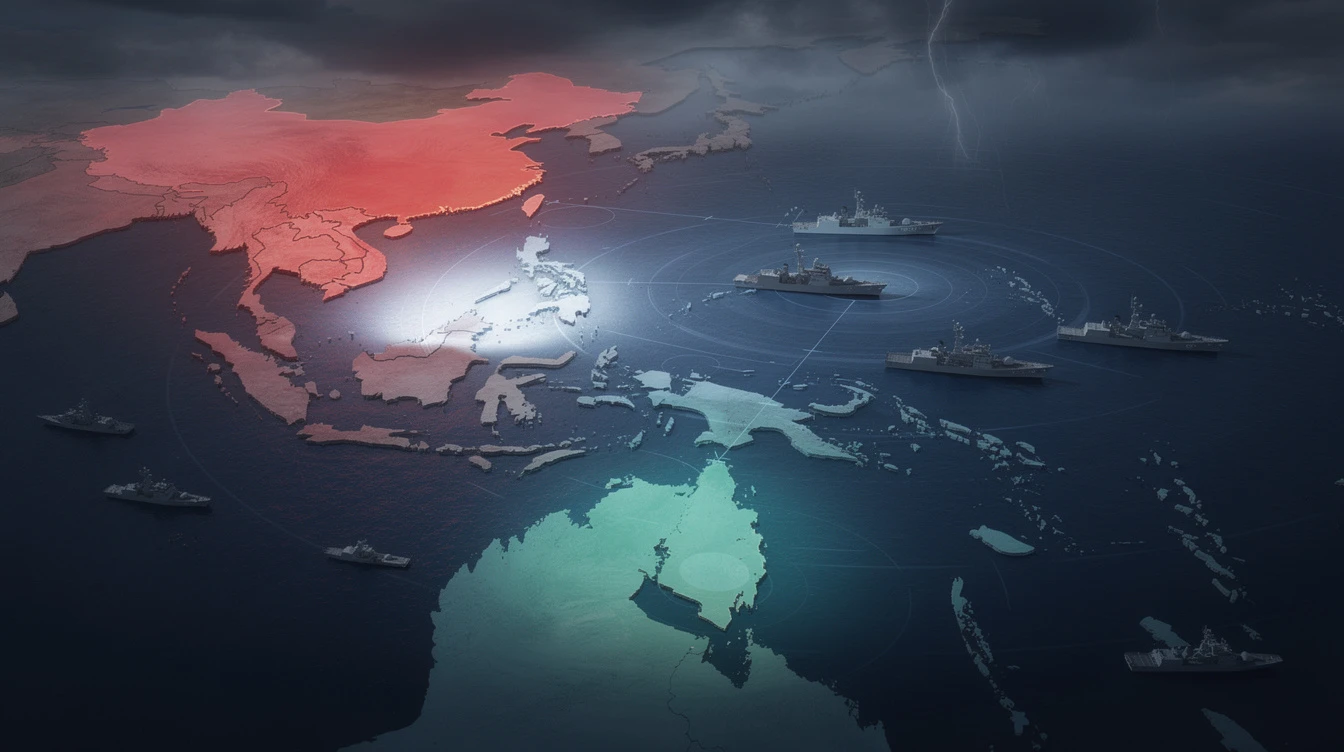
The EU's overall foreign policy, including its stance on the South China Sea, could see subtle realignment.
Hungary under Orban occasionally tempered more confrontational EU statements regarding maritime disputes.
A new government may align more closely with mainstream EU positions, potentially affecting diplomatic support for Manila.
Filipino political scientists are also examining the opposition's campaign tactics for comparative insights.
The Tisza party's ability to unite fragmented opposition groups offers lessons for coalition-building.
This is particularly relevant ahead of the 2025 midterm elections in the Philippines.
Ultimately, the Hungarian result underscores the volatility of modern electorates, even under entrenched leadership.
For the Philippines, a nation with its own complex political landscape, the event is a reminder of democracy's unpredictability.
The direct impact on Filipino citizens and OFW families will depend on subsequent policy changes in Budapest and Brussels.
Manila's diplomatic corps will now work to establish rapport with Hungary's incoming administration.
They will seek to preserve positive bilateral relations while navigating a new European political environment.