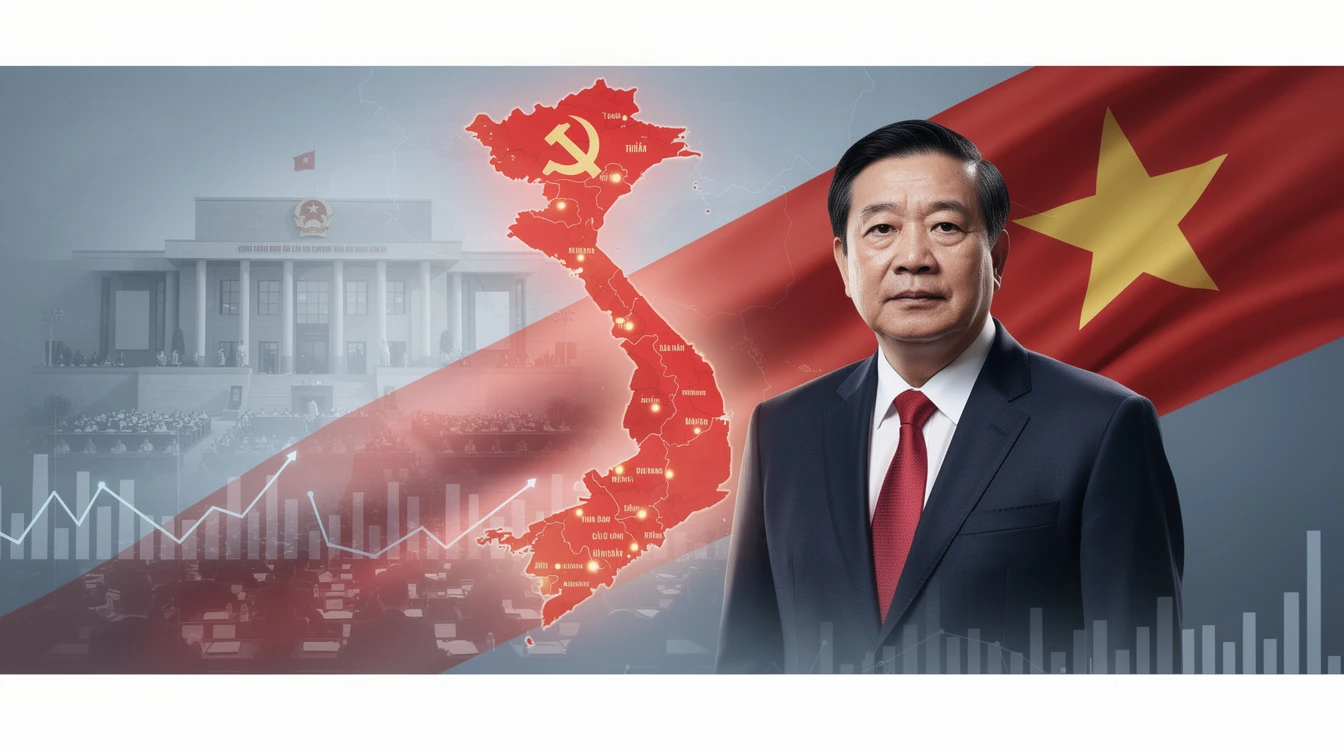
Chinese President Xi Jinping declared China would "absolutely not tolerate" independence for Taiwan during a meeting with the island's opposition leader, Cheng Li-wun, in Beijing on Friday, April 10. The firm warning comes as Chinese military forces intensify patrols and drills around the Taiwan Strait, a critical waterway for Philippine trade and security.
Xi's statement directly challenges the status quo and underscores Beijing's unwavering commitment to unification, by force if necessary. The meeting with Cheng, chairman of Taiwan's Kuomintang party, was framed by Chinese state media as a cross-strait dialogue promoting "peaceful development."
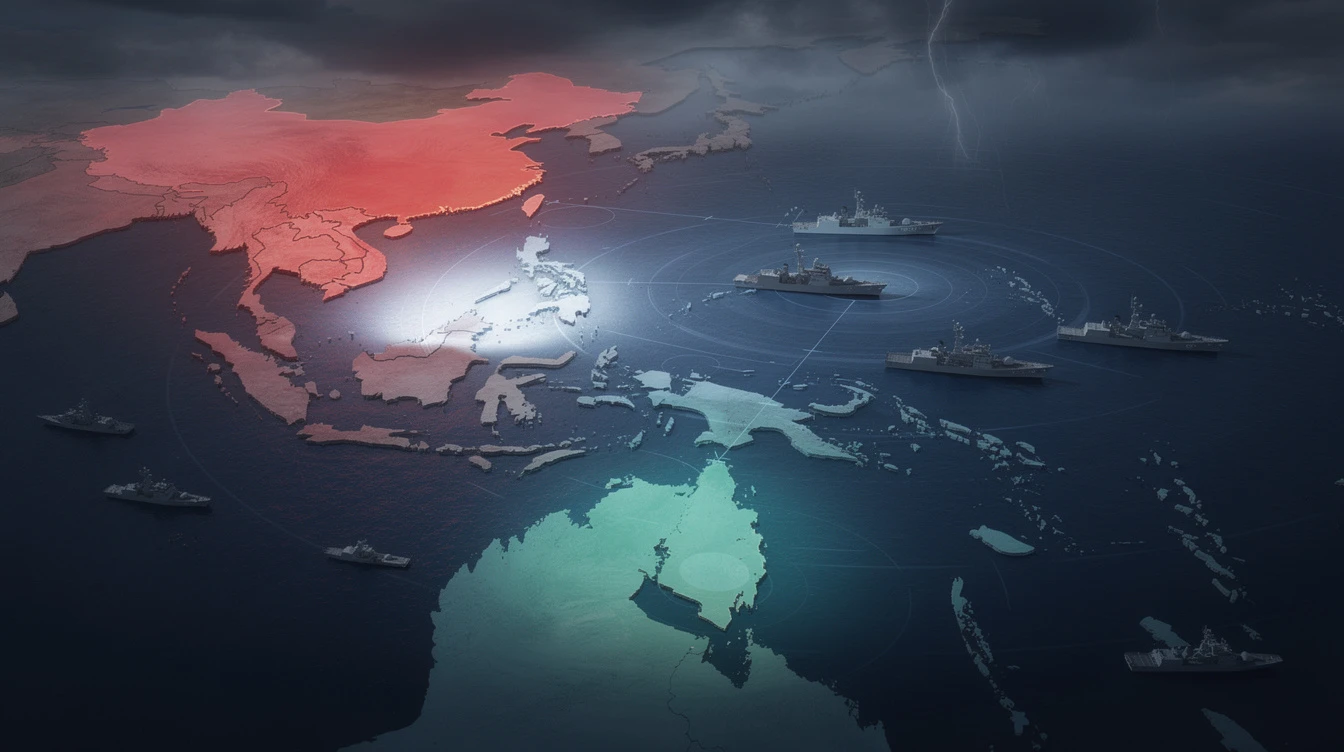
However, the rhetoric is backed by tangible military escalation. China's Eastern Theater Command has conducted numerous combat readiness patrols this month. These operations frequently encroach upon airspace and maritime zones that the Philippines monitors closely due to their proximity to its northern territories.
"Compatriots on both sides of the strait should jointly uphold national sovereignty and territorial integrity," Xi was quoted as saying by China's Xinhua News Agency. This principle directly conflicts with the democratic aspirations of many Taiwanese and regional stability.
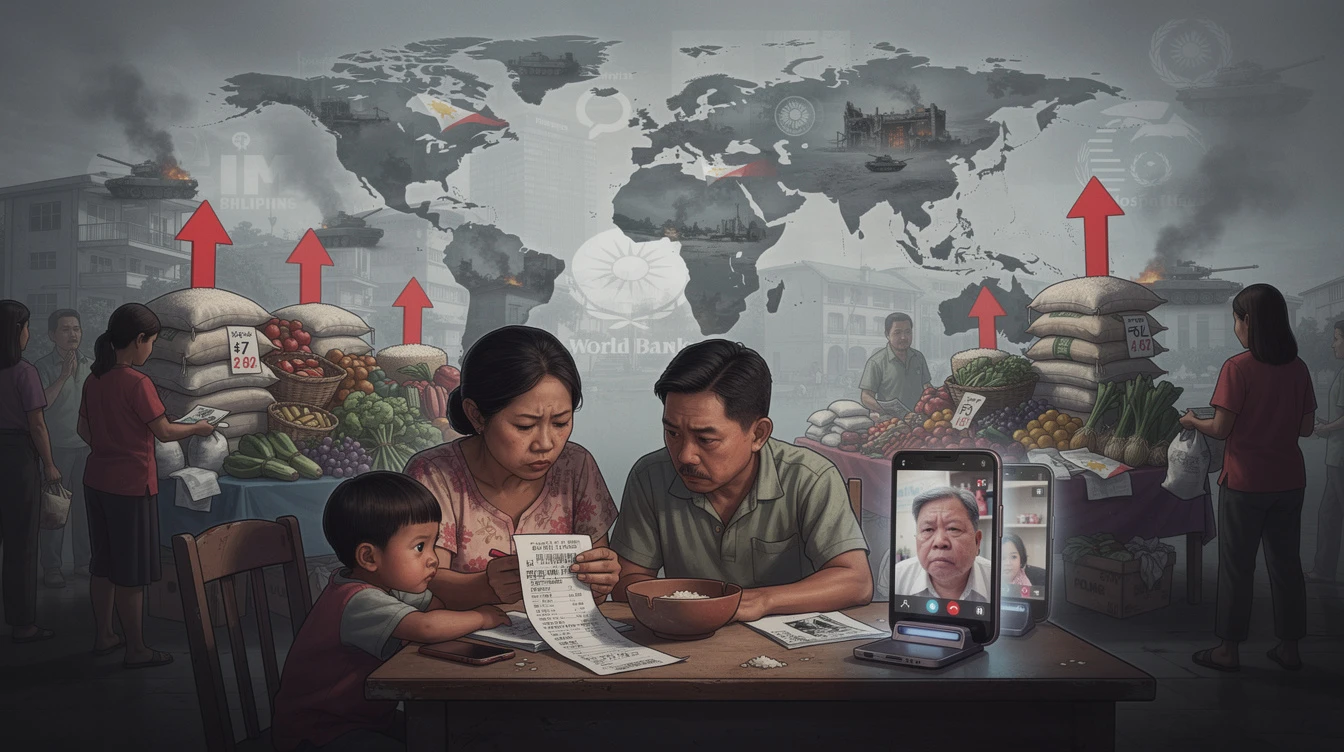
For the Philippines, the Taiwan Strait is a vital artery. Over $200 billion in annual trade, including crucial electronics and agricultural components, transits these waters. Any conflict would immediately disrupt supply chains and potentially trigger a regional humanitarian crisis.
National Security Adviser Eduardo Año has previously stated that Taiwan's security is "inseparable" from the Philippines' own. The Philippines hosts several Enhanced Defense Cooperation Agreement (EDCA) sites with the United States, some in northern Luzon, strategically positioned relative to Taiwan.
A conflict over Taiwan could see these locations become potential targets or logistical hubs, directly drawing the Philippines into a major power confrontation. Thousands of Filipino workers in Taiwan also face immediate evacuation risks in a crisis.
President Ferdinand Marcos Jr.'s administration has walked a delicate line, affirming the One-China Policy while deepening security ties with traditional allies. Manila's stance is increasingly tested as China's actions raise the stakes for all Southeast Asian nations.
The Department of Foreign Affairs (DFA) maintains that peace and stability in the Taiwan Strait are essential. Officials privately express concern that miscalculation or accident during Chinese military drills could spiral into open conflict.
For the over 150,000 Overseas Filipino Workers (OFWs) in Taiwan, the rising tensions are a source of deep anxiety. Their remittances, totaling hundreds of millions of dollars annually, support families across the Philippine archipelago.
Xi's uncompromising message signals that Beijing's pressure campaign will only intensify. This creates a volatile environment where a single incident could have catastrophic consequences for the entire region, including the Philippines.
The Philippine government must urgently review contingency plans for the safety of its citizens and the security of its northern borders. The stability that has underpinned the country's economic growth is now under direct threat from tensions not of its making.