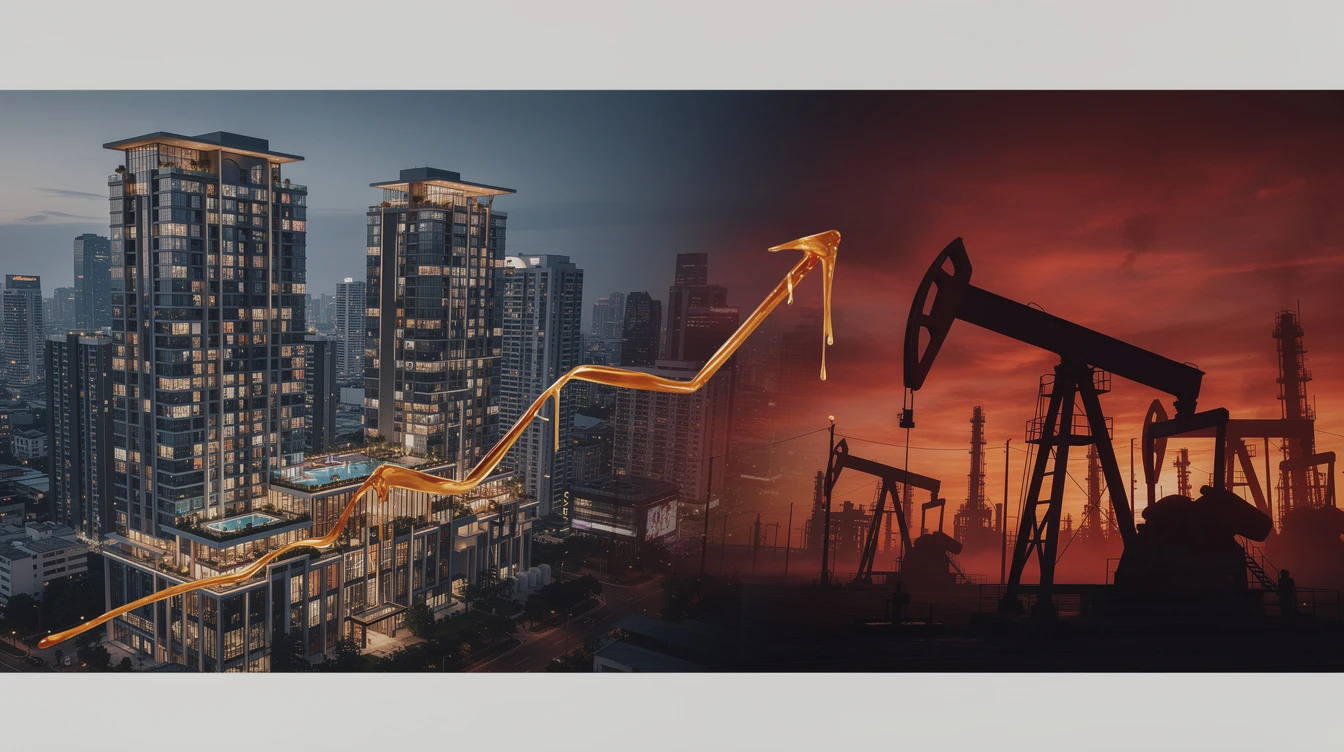
Skyrocketing global oil prices are directly impacting Metro Manila's condominium market, increasing construction costs and threatening the viability of luxury projects priced up to P68 million and above. The price surge is creating significant financial pressure on developers and investors during a period of market uncertainty.
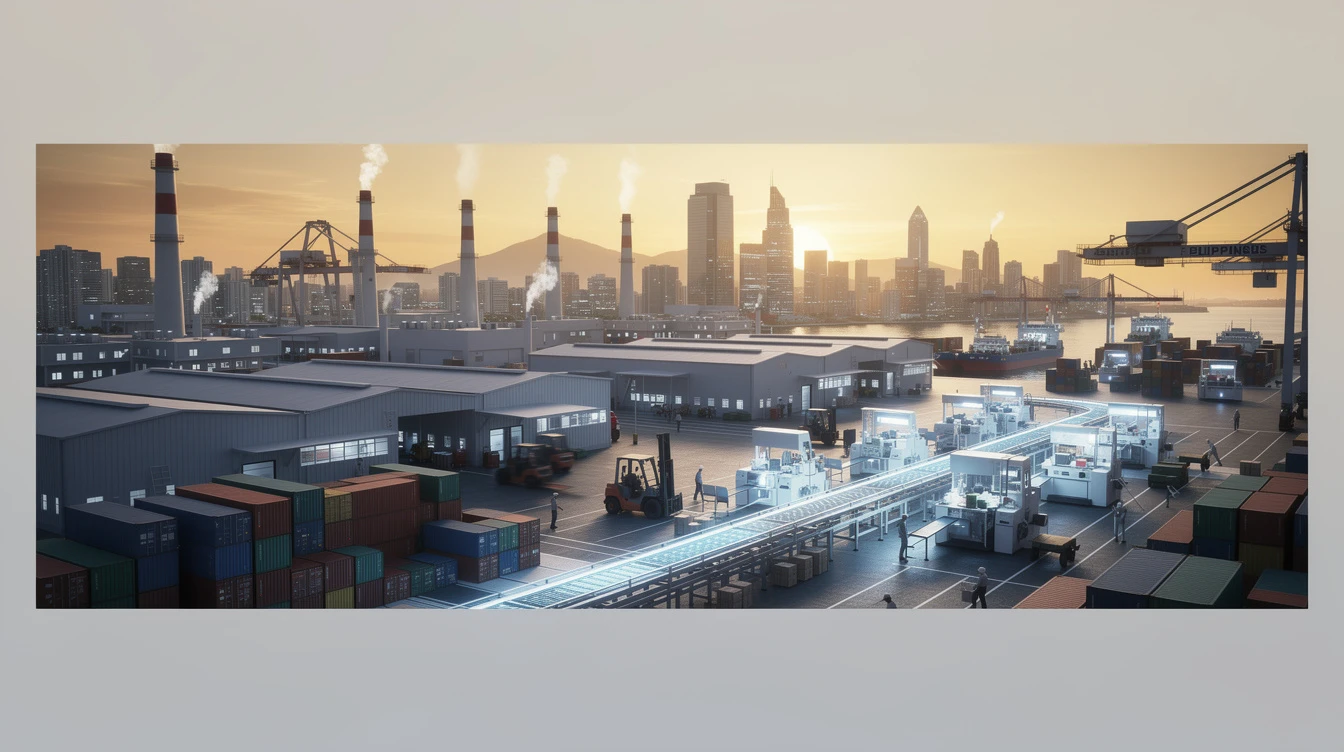
Industry analysts confirm that increased fuel costs are driving up prices for construction materials and logistics across the Philippines. This inflation in input costs erodes developer margins and can lead to higher final selling prices for units, potentially dampening buyer demand.
The current market flux is particularly concerning for the high-end segment. Recent data shows 231 units available in the P12 million to P68 million range, with an additional 21 ultra-luxury units priced above P68 million. These premium projects are now facing heightened financial risk.
"The construction sector is highly dependent on transportation and petroleum-based products," a real estate consultant stated. "Every peso increase at the pump translates to higher costs for delivering materials and operating machinery on site."
This cost-push inflation comes as the Metro Manila condo market shows signs of softening after years of rapid growth. Developers are now grappling with the dual challenge of managing elevated expenses while navigating potential buyer reluctance in a higher-cost environment.
For Filipino investors and OFW families, this situation could mean delayed project completions or reduced returns on pre-selling condominium investments. Many middle-class families rely on condo units as a primary investment vehicle.
The ripple effects extend to property management, where rising energy costs also increase monthly association dues for common area maintenance. This adds to the overall cost of ownership for Filipino condo dwellers.
Economists warn that sustained high oil prices could slow down overall real estate development in the National Capital Region. This may impact job creation in the construction sector, which employs millions of Filipino workers.
The Philippine government's infrastructure push, including various Build Build Build projects, may also face budgetary pressures. Competing priorities could emerge as the nation manages the economic fallout from expensive fuel imports.
For the average Filipino, the connection between global oil markets and local condo prices is now starkly clear. The affordability of urban living in Metro Manila is being tested by international factors beyond local control.
This development underscores the Philippine economy's vulnerability to external commodity shocks. It highlights the need for diversified energy sources and more resilient urban planning strategies in the archipelago.