The U.S. Energy Information Administration (EIA) warned on Tuesday, April 7, 2026, that global fuel prices could continue rising for months even after the Strait of Hormuz reopens, directly contradicting President Donald Trump's promises of immediate consumer relief.
This forecast signals prolonged economic pressure for the Philippines, a nation heavily reliant on imported oil for transportation and power generation.
The EIA's analysis, reported by Reuters, suggests market dynamics and refinery constraints will delay price stabilization.
This contradicts President Trump's recent assurances that ending the war with Iran would bring swift relief at the pump.
For the Philippines, where over 90% of crude oil is imported, this projection is a severe economic warning.
The Department of Energy (DOE) has consistently tied local pump prices to international market movements.
"Global supply chain issues and refinery output will take time to normalize," an EIA official stated, explaining the delayed price response.
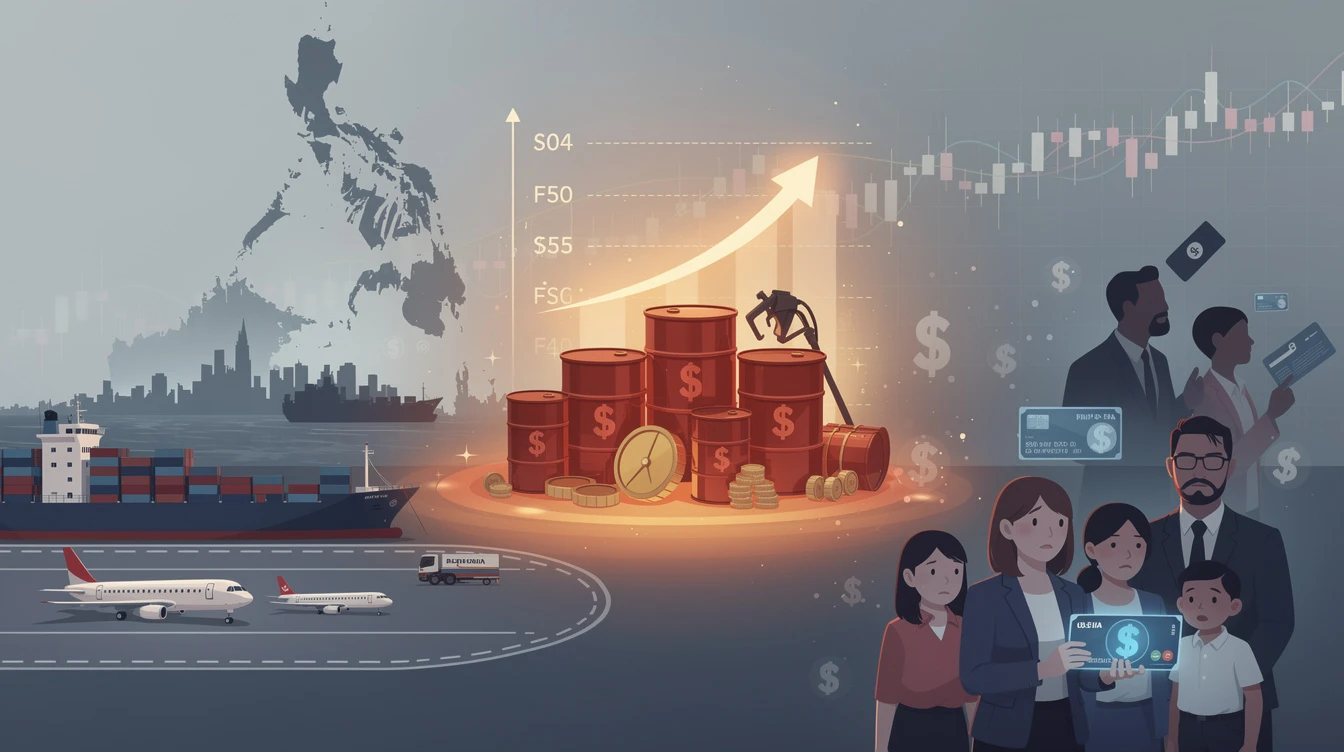
Persistently high global oil prices translate directly into more expensive gasoline, diesel, and liquefied petroleum gas (LPG) in the Philippines.
This fuels broader inflation, impacting food transport costs, electricity rates, and the prices of basic goods.
The Bangko Sentral ng Pilipinas (BSP) would face continued pressure to manage inflation, potentially affecting interest rates.
For millions of Filipino families, especially those dependent on jeepney drivers and fishermen, high diesel costs erode already thin household budgets.
Overseas Filipino Workers (OFWs) sending remittances will see the purchasing power of their dollars diminished as domestic costs rise.
The government's Pantawid Pasada and other subsidy programs may face unsustainable fiscal pressure if the crisis extends for months.
Analysts warn that prolonged high energy costs could slow the Philippines' post-pandemic economic recovery and job creation efforts.
The EIA's sober assessment underscores the vulnerability of the Philippine economy to distant geopolitical shocks.
It highlights the urgent need for the country to accelerate its transition to renewable energy and improve energy security.
For Filipino commuters and consumers, the message is clear: relief from high transport and living costs may not arrive soon.
This global forecast necessitates local preparedness from both the government and the public to weather an extended period of economic strain.