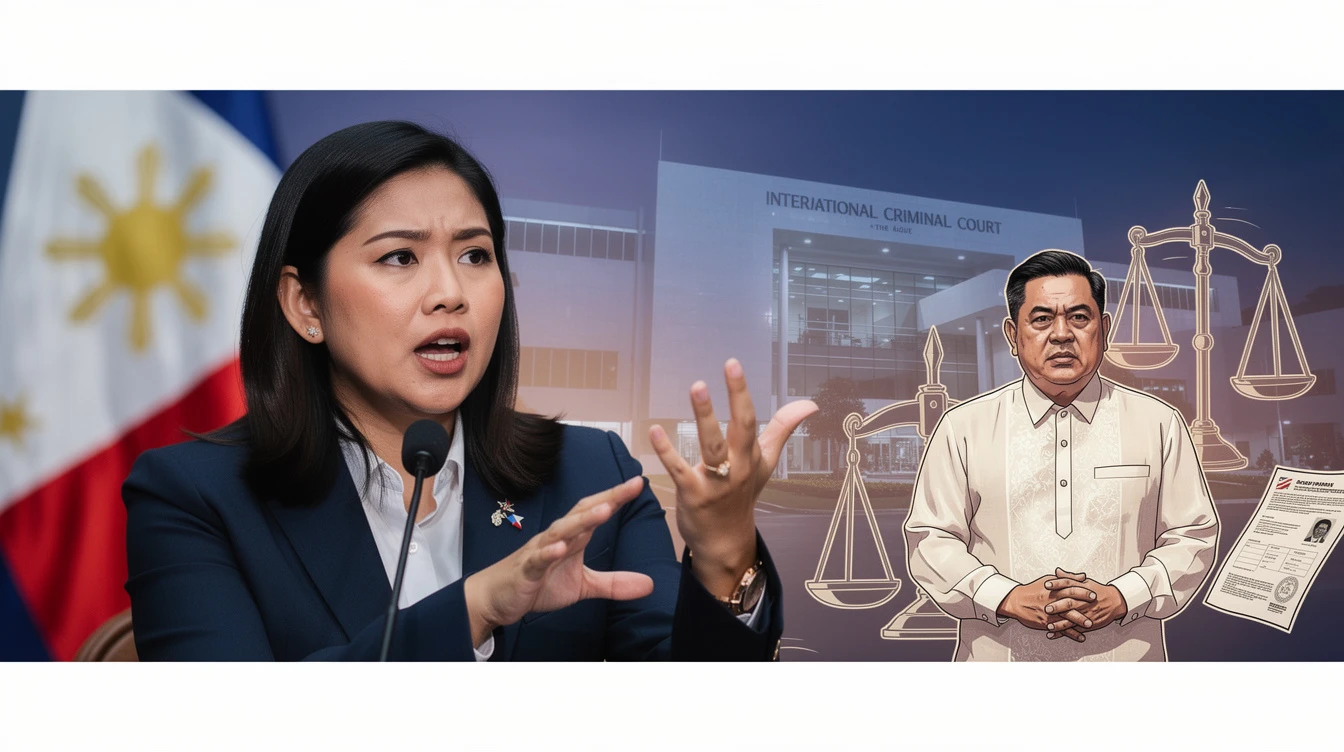
The Supreme Court's ruling on the term "forthwith" has sparked renewed debate over the Senate's handling of the impeachment trial. Now, a key figure from that trial has stepped forward to defend the chamber.
Former Senate impeachment court spokesman Atty. Regie Tongol praised the decision, saying it proves critics of the Senate's timeline were wrong. His comments signal a major shift in the legal conversation.
Background: The Controversy Over 'Forthwith'
The word "forthwith" appears in the 1987 Constitution regarding impeachment trials. It suggests the Senate should act immediately after receiving the complaint from the House of Representatives.
In the 2024 trial, the Senate set a schedule that stretched over several weeks. Critics, including some lawmakers, argued this violated the constitutional mandate for a speedy proceeding.
The debate centered on whether "forthwith" meant within days or a reasonable but prompt period. The Supreme Court eventually weighed in on the matter.
The SC Ruling: What It Says
In a decision released on Wednesday, the Supreme Court dismissed a petition that challenged the Senate's interpretation. The Court ruled that "forthwith" does not require an instantaneous start.
Instead, it allows the Senate to prepare adequately for a fair trial. The ruling emphasized that the word must be read in context of the entire impeachment process.
The decision effectively upheld the Senate's discretion to set a reasonable timeline. This was a win for the chamber's leadership, which had faced accusations of delay.
Atty. Regie Tongol's Reaction
Atty. Regie Tongol, who served as the spokesperson for the Senate impeachment court, issued a statement shortly after the ruling. He said the decision vindicates the Senate's actions.
"The SC's clarification on the word 'forthwith' proves that the critics of the Senate were wrong," Tongol stated in a post on X (formerly Twitter). He also shared a photo of the official statement.
His remarks highlight the legal and political significance of the ruling. Tongol argued that the Senate acted correctly by balancing speed with due process.
Senate President Francis Escudero had earlier drawn criticism for the trial schedule. Tongol's statement suggests the high court's decision now validates Escudero's approach.
Key Takeaways for Filipinos
The ruling has broad implications beyond the courtroom. Here are the main points every Filipino should understand.
1. 'Forthwith' Does Not Mean Instant
The Supreme Court clarified that "forthwith" allows the Senate a reasonable time to prepare. This prevents rushed trials that could undermine fairness.
2. Senate Retains Discretion
The decision affirms the Senate's power to set its own rules for impeachment trials. This is a check on the House's ability to force a fast timeline.
3. Due Process Wins
The ruling prioritizes a fair trial over mere speed. The accused, including former officials, benefit from having time to build a defense.
4. Political Fallout Softened
Critics who attacked the Senate for delays now face a legal rebuke. This could reduce political pressure on lawmakers during future trials.
Expert Opinions and Legal Analysis
Legal experts weighed in on the decision. Retired Supreme Court justice Antonio Carpio noted that the ruling aligns with previous jurisprudence on procedural flexibility.
"The Court has consistently held that the spirit of the law matters more than the letter," Carpio said in a separate interview. He added that "forthwith" is not a rigid deadline.
Constitutional law professor Michael Tiu echoed this view. He stated that the decision prevents the impeachment process from being weaponized by political opponents.
Tiu emphasized that the ruling protects the Senate's role as a quasi-judicial body. This ensures that trials remain impartial and deliberative.
Real-World Impact on Future Impeachments
The ruling sets a precedent for any future impeachment cases. Future Senate leaders can cite the Supreme Court decision to justify a measured pace.
This could affect how the House of Representatives drafts articles of impeachment. Knowing the Senate can delay, House leaders may push for more thorough charges.
The decision also reassures the public that impeachment is not a summary process. It reinforces the idea that the Senate must weigh evidence carefully.
For the current political landscape, the ruling removes a key source of tension. The Senate and the House can now focus on legislative work without the shadow of a constitutional crisis.
Public Reaction and Social Media
Social media responses have been mixed. Supporters of the Senate praised the ruling as a victory for due process.
Critics, however, argue that the decision undermines the Constitution's intent for swift action. Some have called for a constitutional amendment to define "forthwith" more clearly.
Atty. Tongol's statement was widely shared on X and Instagram. It garnered thousands of reactions, reflecting the public's keen interest in the issue.
Conclusion: A Defining Moment for Impeachment Law
The Supreme Court ruling on "forthwith" is more than a legal technicality. It sets the ground rules for how future impeachments will proceed in the Philippines.
Atty. Regie Tongol's endorsement signals that the Senate's approach has judicial backing. The decision balances constitutional requirements with practical governance.
As the country moves forward, this ruling will likely be cited in legal textbooks and court arguments. It reminds Filipinos that the Constitution is a living document that must adapt to real-world challenges.
For now, the Senate can breathe easier knowing its actions have been validated by the highest court in the land.
Frequently Asked Questions
What does the term 'forthwith' mean in the Philippine Constitution?
The Supreme Court clarified that "forthwith" means the Senate must start impeachment proceedings promptly but allows reasonable preparation time. It is not an instantaneous deadline.
Who is Atty. Regie Tongol?
Atty. Regie Tongol is a former spokesperson for the Senate impeachment court. He represented the chamber during the recent impeachment trial and defended its timeline.
Why was the Senate criticized for the trial schedule?
Critics argued that the Senate's multi-week schedule violated the Constitution's instruction to act "forthwith". The Supreme Court ruling rejected that claim.
What happens next after the SC ruling?
The ruling is final and sets a precedent. Future impeachments will be guided by this interpretation, giving the Senate flexibility in setting trial dates.