ERC Mandates Transparency in Power Rate Adjustments
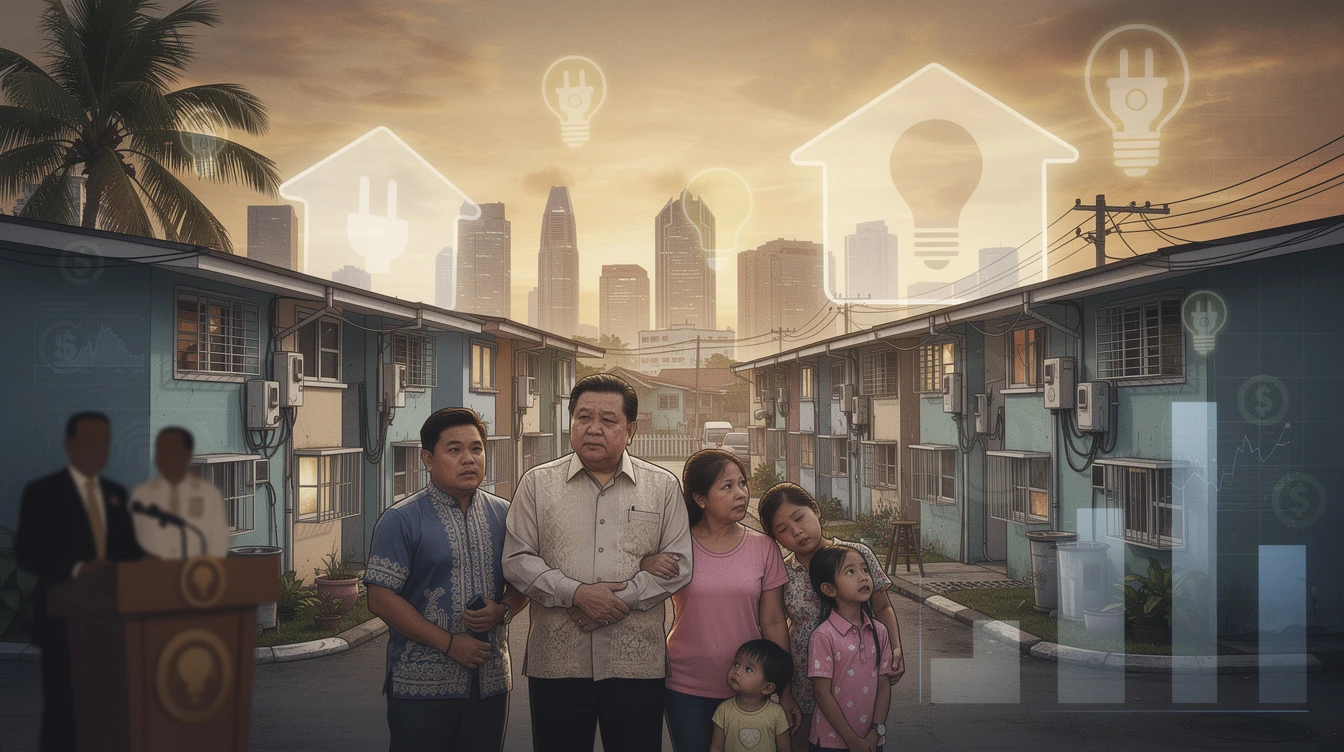
The Energy Regulatory Commission (ERC) has ordered distribution utilities across the Philippines to submit comprehensive reports justifying sharp increases in generation costs. The directive aims to protect consumers from unexplained or unjustified rate hikes.
What the Commission Requires from Distribution Utilities
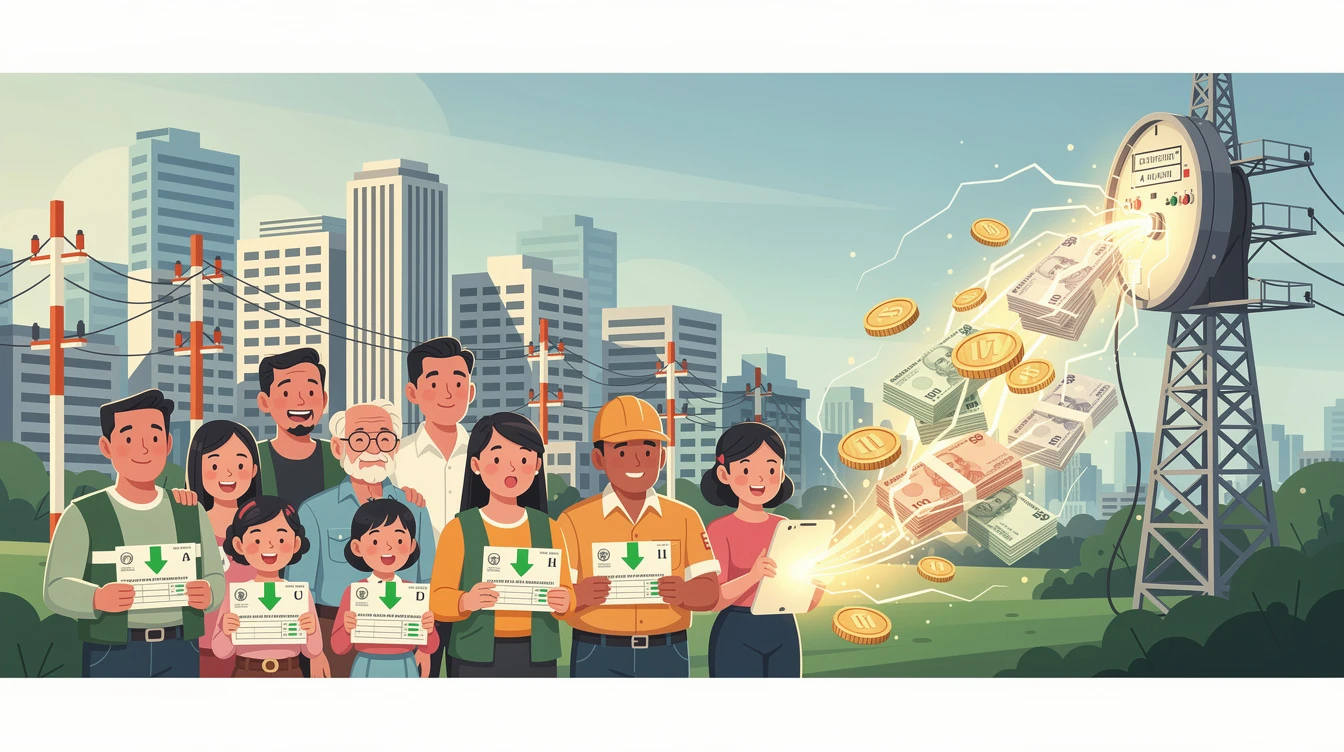
Under the new requirements, all Distribution Utilities (DUs) must provide detailed computations supporting their rate adjustments. This includes supporting invoices from power suppliers and thorough documentation of how generation costs are allocated to consumers.
The ERC stressed that utilities cannot simply pass on cost increases without clear justification. Each adjustment must be backed by verifiable data to ensure transparency in the billing process.
Impact on Consumers and Industry
Consumer advocates have welcomed the move, noting that many households have struggled with escalating electricity bills. The requirement ensures ratepayers can understand exactly why their costs are rising.
Rising Generation Costs Drive Rate Increases
The increase in power rates is primarily attributed to higher generation and transmission charges from the National Grid Corporation of the Philippines (NGCP). These costs are typically passed on to consumers through their distribution utilities.
NGCP Transmission Charges Under Scrutiny
Transmission fees charged by NGCP have contributed significantly to the overall increase in electricity costs. The ERC has emphasized that while these charges are regulated, distribution utilities must still provide full disclosure of how they impact consumer bills.
Industry analysts note that NGCP's transmission rates are determined through regulatory processes, but the pass-through mechanism to end-users requires careful monitoring.
How BOHECO I and Other DUs Are Affected
BOHECO I (Bohol Light and Power Company) is among the distribution utilities directly affected by these rising costs. The company has stated that certain charges are beyond its control but still directly impact consumer billing.
Other distribution utilities nationwide face similar challenges, with generation costs varying based on their power supply agreements and geographic location.
Consumer Protection and Regulatory Compliance
The ERC's directive forms part of broader efforts to strengthen consumer protection in the energy sector. The commission has emphasized its commitment to ensuring fair and transparent utility operations.
Ensuring Fair Billing Practices
Utilities failing to comply with the new reporting requirements may face penalties or administrative sanctions. The ERC has established clear deadlines for submission and review processes.
Distribution companies must now maintain comprehensive records of all rate adjustments for regulatory review and public disclosure.
What Consumers Should Know
Consumers are encouraged to review their electricity bills carefully and question any unexplained charges. The ERC has established complaint mechanisms for those who believe they have been overcharged.
Key takeaways for ratepayers include:
- Request detailed breakdowns from your distribution utility if rate increases appear unclear
- File complaints with the ERC for suspected unjustified charges
- Stay informed about national grid transmission rate adjustments
The regulatory action signals the ERC's determination to balance competitive energy pricing with consumer protection in the Philippines' evolving power sector.