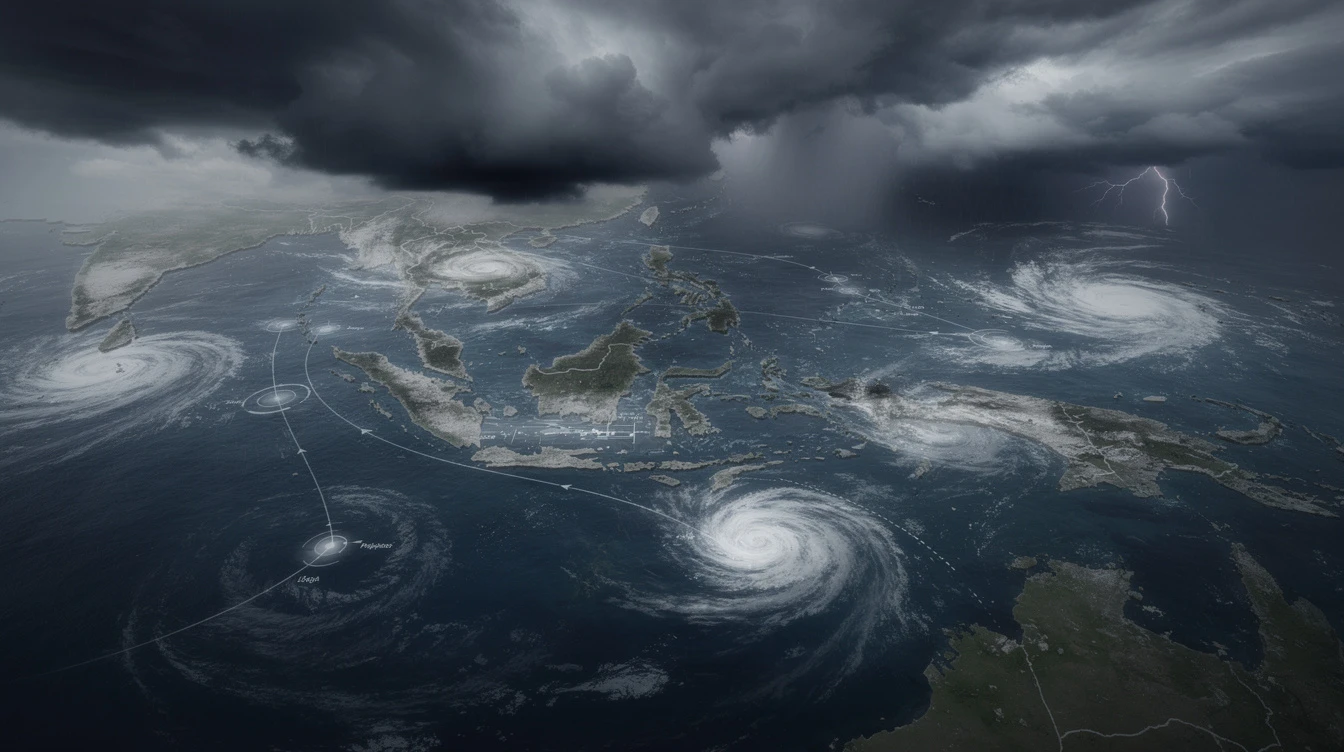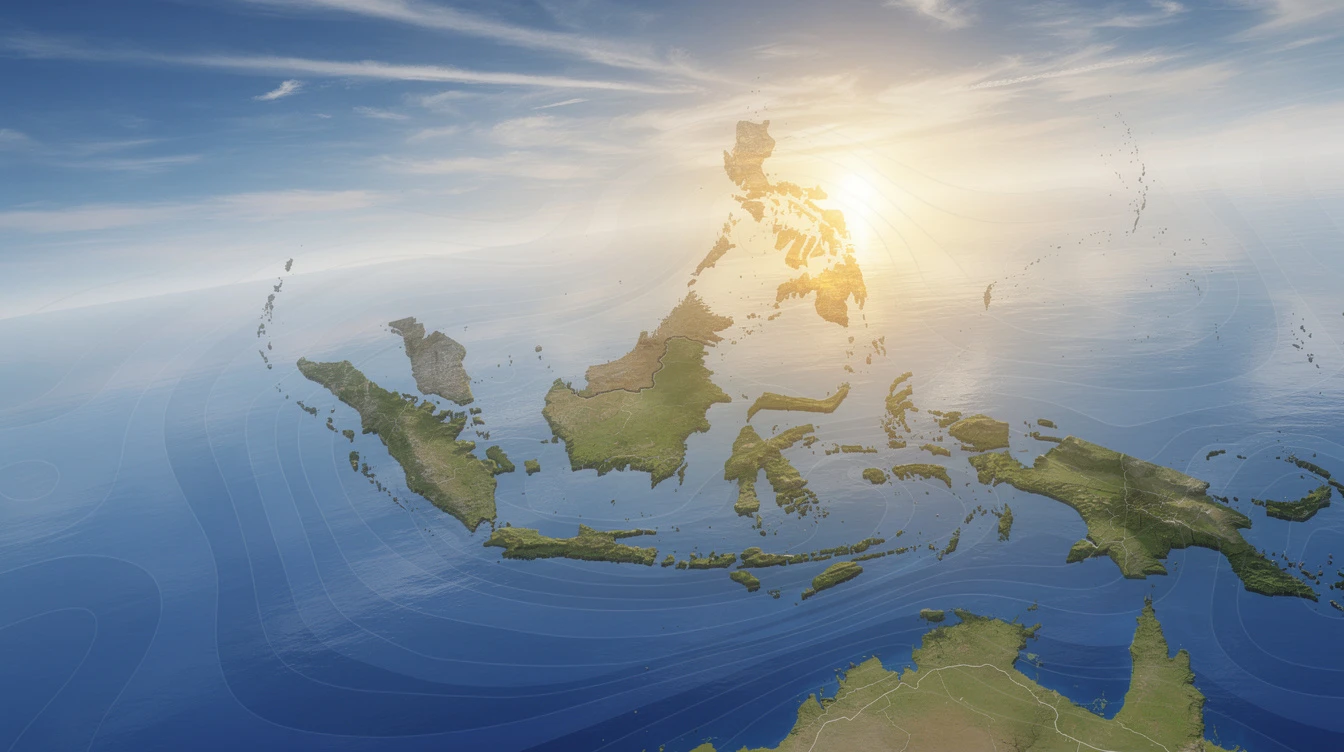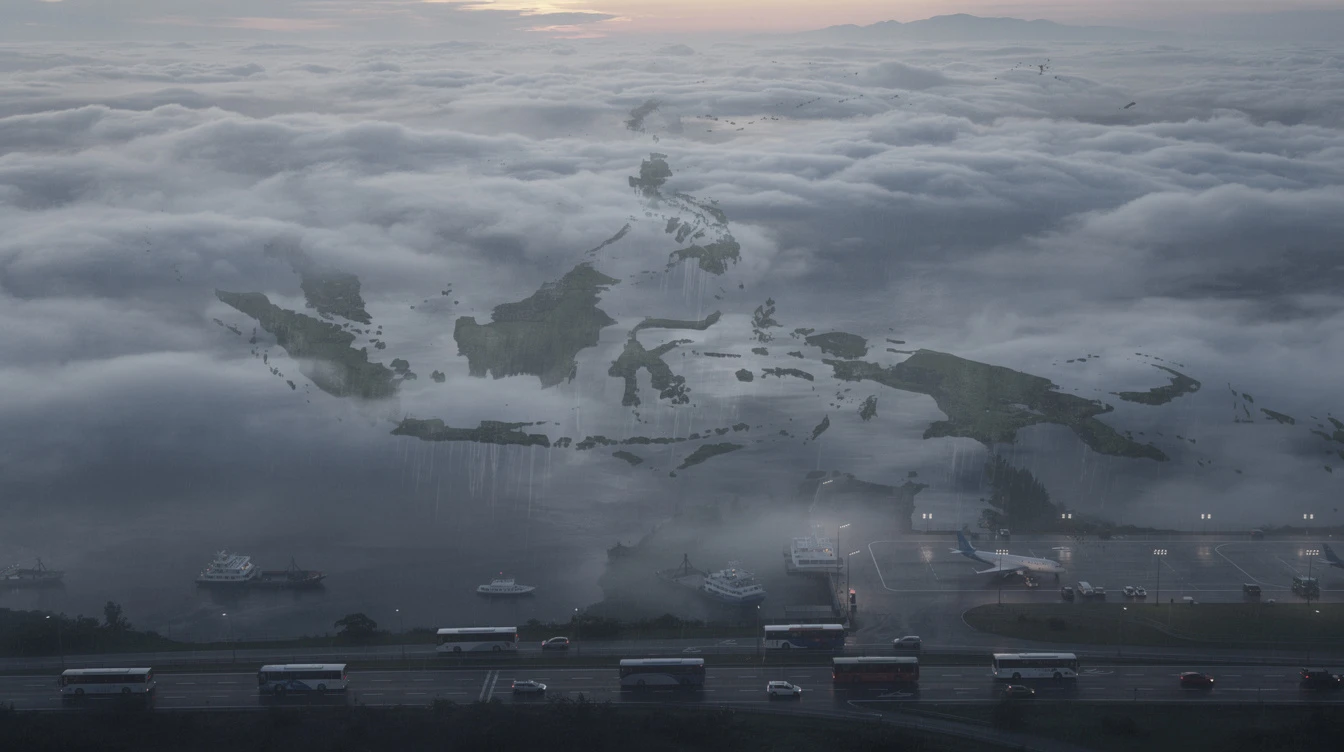
Millions of Filipinos preparing for Holy Week travel face weather disruptions as the easterlies dominate the country's forecast. The Philippine Atmospheric, Geophysical and Astronomical Services Administration (PAGASA) reports widespread cloudy conditions with isolated rains.
This weather system poses challenges for both local commuters and those embarking on long-distance journeys. Understanding the forecast is crucial for safe travel planning.
What Are the Easterlies and Why Do They Matter?
The easterlies are warm, humid winds blowing from the Pacific Ocean toward the Philippine archipelago. They are a dominant weather feature during the country's warm and transitional seasons.
Unlike cold fronts or typhoons, easterlies typically bring less intense but more widespread moisture. This results in cloudy skies and scattered, isolated rain showers or thunderstorms.
Their impact is felt most strongly on the eastern sections of the country. For travelers, this means potential delays and wet road conditions.
PAGASA's Latest Weather Forecast Breakdown
In its 4 a.m. and 4 p.m. forecasts, PAGASA provided a detailed regional outlook. The easterlies are directly affecting Southern Luzon, the Visayas, and Mindanao.
Areas Affected by the Easterlies
Metro Manila,CALABARZON,MIMAROPA, and theBicol Region will experience partly cloudy to cloudy skies. Isolated rain showers or thunderstorms are likely.
The entireVisayas andMindanao regions are under the same forecast. Residents and travelers should prepare for sudden, localized downpours.
Areas Affected by Localized Thunderstorms
The rest of Luzon, including Northern and Central Luzon, will have similar conditions. However, these will be caused by localized thunderstorms rather than the easterly wind flow.
This includes areas like Ilocos, Cordillera, and Cagayan Valley. While not directly from the easterlies, the weather outcome for the public is similar.
Marine and Coastal Conditions
PAGASA also issued guidance for sea travel, critical during the Holy Week exodus. Coastal conditions vary significantly across the archipelago.
The eastern sections of Southern Luzon, Visayas, and Mindanao will experiencemoderate winds andmoderate seas. This may affect smaller vessels.
Northern Luzon, Central Luzon, and the rest of the country will havelight to moderate winds. Coastal waters here are expected to be slight to moderate.
Ferry passengers and those traveling via bangka should check with local coast guards. Always prioritize official safety announcements before sailing.
Real-World Impact on Holy Week Activities
The timing of this weather system coincides with peak domestic travel. Families heading to provinces forpabasa,visita iglesia, or beach outings must plan accordingly.
Road safety becomes paramount. Isolated rains can make highways slippery, especially in mountainous regions. Reduce speed and increase following distance.
Outdoor religious processions, like theSenakulo orSalubong, may need contingency plans. Organizers are advised to monitorlocal weather updates closely.
For agricultural communities, these scattered rains can be beneficial. They provide moisture without the destructive force of a typhoon.
How to Stay Safe and Informed
PAGASA remains the primary source for official weather information. The public is urged to rely on its forecasts and bulletins.
Download thePAGASA Mobile App or follow their social media accounts for real-time updates. Local government units also disseminate weather advisories.
Prepare an emergency kit for your vehicle if traveling. Include umbrellas, raincoats, flashlights, and extra drinking water. Charge all communication devices.
For a deeper understanding of Philippine climate patterns, explore our guide onweather preparedness.
Expert Insight and Meteorological Context
State meteorologists explain that this is a typical pre-summer weather pattern. The easterlies bring humidity from the Pacific, which condenses into clouds over land.
The heat from the sun during the day often triggers the isolated thunderstorms mentioned in the forecast. These are usually short-lived but can be intense.
This pattern is expected to persist in the coming days. It marks the transition towards the warmer months of the year.
The public should note that while widespread flooding is not anticipated, localized flash floods in low-lying areas are possible during heavy downpours.
Conclusion and Outlook
The easterlies will continue to influence Philippine weather in the short term. Cloudy skies with isolated rains remain the forecast for key regions.
This serves as a reminder of the dynamic climate Filipinos navigate, especially during traditional holidays. Preparedness ensures safety and preserves the spirit of the occasion.
By staying informed through PAGASA and planning ahead, families can mitigate disruptions. The weather may be unpredictable, but our response to it doesn't have to be.
Always verify travel conditions with authorities like theMMDA and the Department of Tourism. Have a safe and meaningful Holy Week.