Price Freeze Agreement Reached
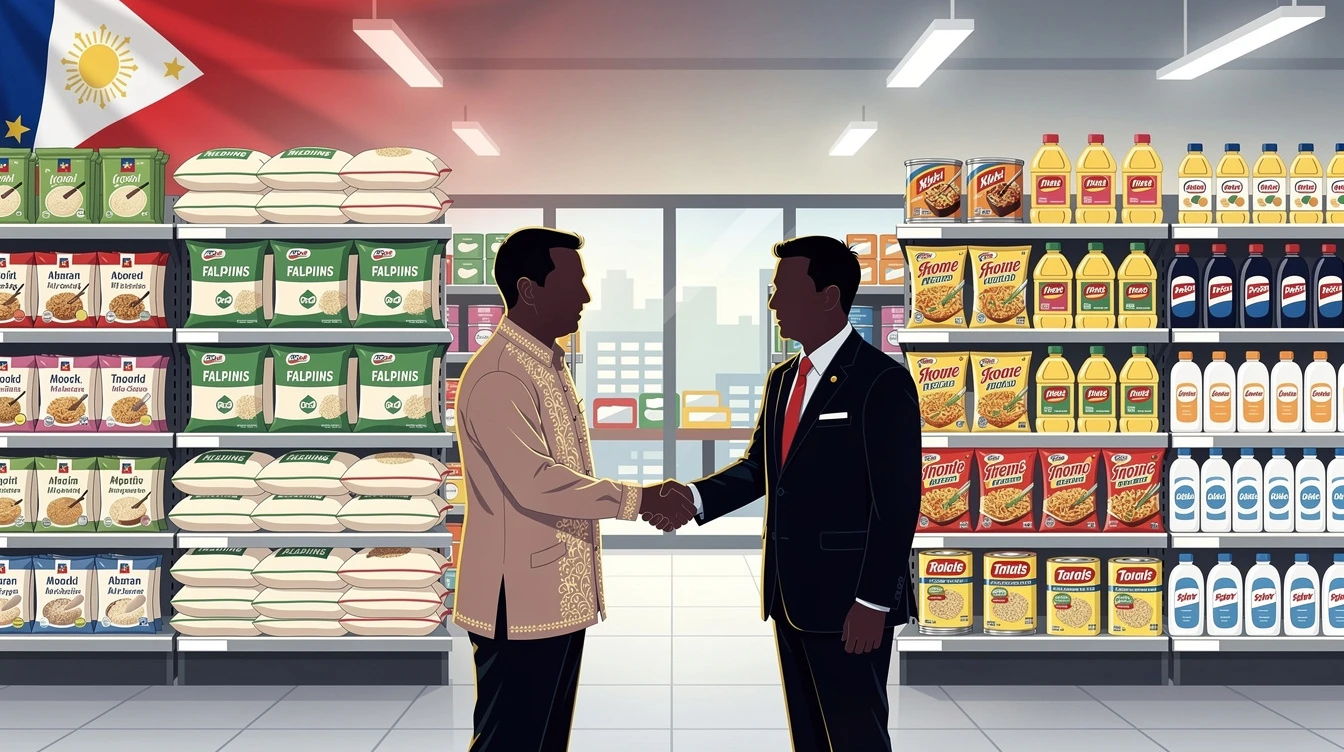
The Department of Trade and Industry (DTI) has secured a commitment from the country's largest retailers and food manufacturers to freeze prices of basic necessities and prime commodities (BNPCs) through April 16.
Key Players in the Agreement
Participating retailers include Robinsons Retail Holdings Inc., SM Markets, Metro Retail Stores Group Inc., and the Philippine Amalgamated Supermarkets Association. These major chains account for a significant portion of the retail market nationwide.
Duration and Coverage
Twenty-one manufacturers have pledged to maintain prices for 30 days (until April 16) to 60 days (until May 16), covering a wide range of essential household items.
DTI Monitoring and Enforcement
Under Executive Order No. 110, the DTI is intensifying nationwide monitoring to ensure these price commitments are upheld at the retail level.
Scope of Product Oversight
The agency currently oversees 778 variants of essential products, with 196 items subject to a Suggested Retail Price (SRP). While some items fall outside the official SRP bulletin, the DTI said it is actively monitoring all products.
Anti-Manipulation Measures
- Prevention of hoarding practices
- Crackdown on profiteering activities
- Surveillance against market manipulation
Trade Secretary Fred Pascual emphasized that enforcement teams will conduct regular inspections across retail outlets to protect consumers from unjustified price increases.
Economic Context Driving the Initiative
The price freeze aims to prevent speculative price spikes amid volatile global supply chains and ongoing tensions in the Middle East, which continue to affect import costs and shipping logistics.
Global Supply Chain Pressures
International market disruptions have created uncertainty in commodity pricing. The DTI move seeks to shield Filipino households from sudden cost increases during this period of global instability.
Weather and Agricultural Outlook
PAGASA has raised an El Niño watch as weather conditions warm across the country. The weather phenomenon poses risks to agricultural output, potentially affecting food prices in the coming months.
By securing these price commitments ahead of potential supply disruptions, the government aims to maintain market stability and protect the purchasing power of Filipino consumers.