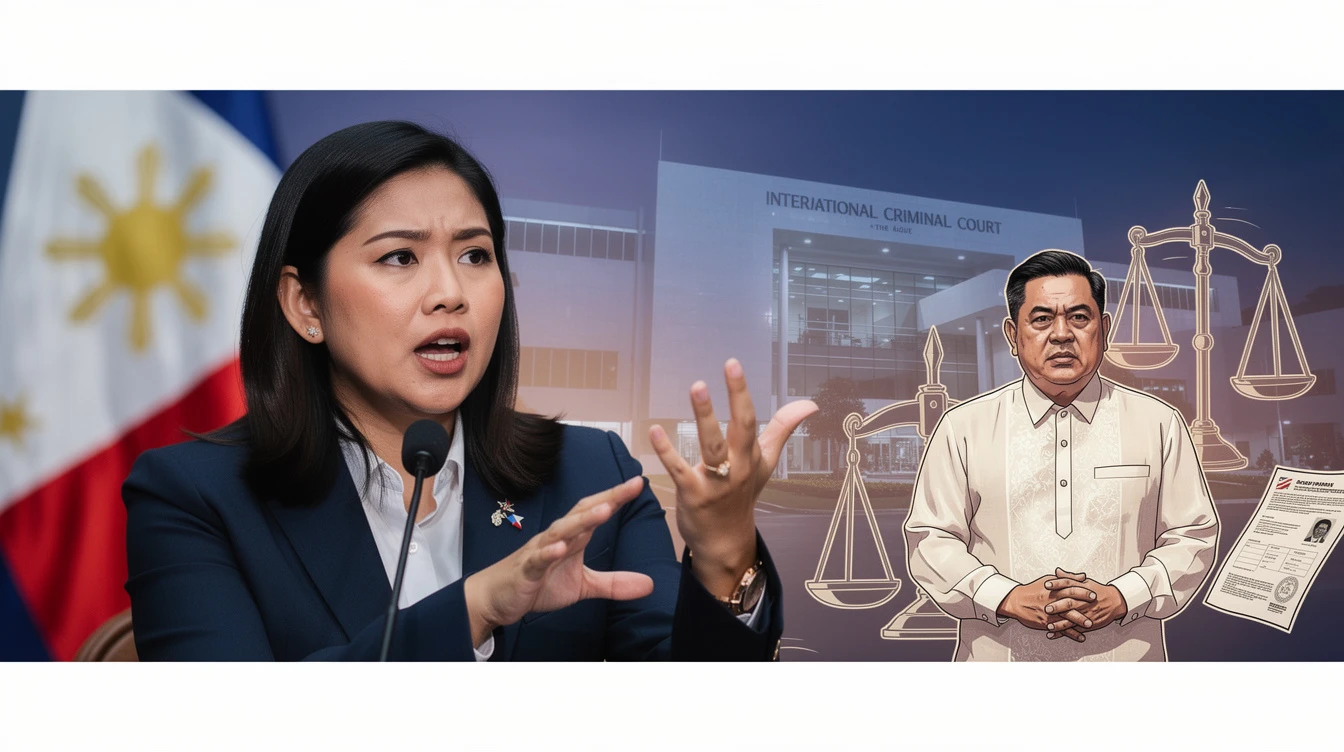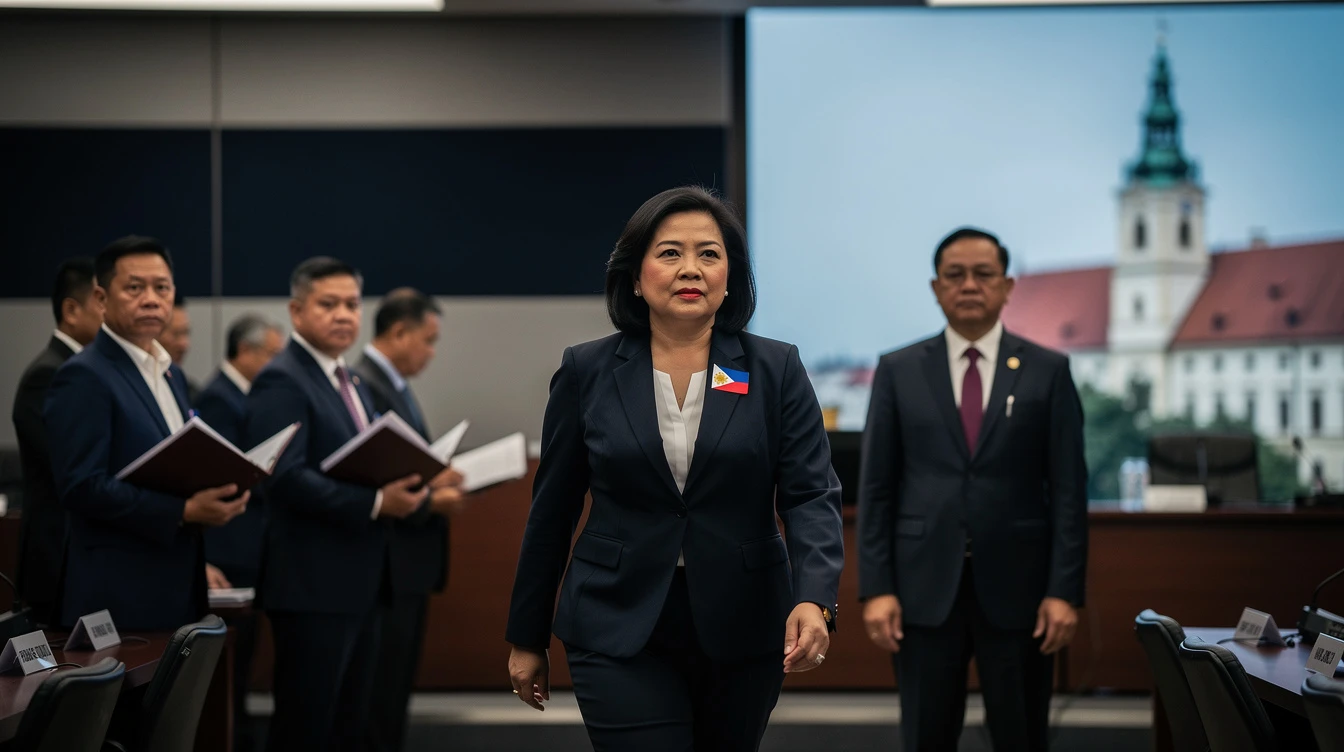
Justice Secretary Fredderick Vida admitted there is no guarantee that fugitive former lawmaker Zaldy Co will remain in Czech Republic custody, as the Philippine delegation shifts its focus to securing an Interpol red notice instead of directly bringing him home. In a video conference, Vida told reporters the delegation currently in Prague would "explore all things" to compel Co's return, following reports Co may have slipped out of Czech jurisdiction. For more on the DOJ's broader anti-corruption push, see Philippine Politics .
Vida, who flew to the Central European country on Thursday, April 23, stressed that the high-level team would come back "definitely not empty-handed." He emphasized that the Philippines would pursue "important things" such as documents and legal instruments to hold Co accountable, even if the former Ako Bicol party-list representative himself is not in custody. The statement marks a significant departure from earlier expectations that Vida would personally escort Co back to Manila.
Chief
The fugitive lawmaker is facing charges related to the massive flood control scandal , which involved alleged ghost projects and anomalous contracts worth billions of pesos. Co, who previously served as representative of the Ako Bicol party-list, has been a subject of a global manhunt after fleeing the Philippines. According to a report from One News , Vida said the Czech Republic has its own rules that the Philippines must respect, implying limited leverage over Prague's deportation process.
The DOJ chief revealed that a second team of officials would fly to the Czech Republic to "bring in all the documents" needed to justify the issuance of a red notice against Co. A red notice, issued by Interpol at a member country's request, is a global alert that seeks the location and provisional arrest of a fugitive pending extradition. Vida said the delegation is also exploring the option of invoking the United Nations Convention Against Corruption (UNCAC), to which both the Philippines and the Czech Republic are signatories.
Under the UNCAC, signatory states are obligated to cooperate in the investigation, prosecution, and extradition of individuals accused of corruption offenses. If successfully invoked, the treaty could pressure the Czech authorities to detain Co or facilitate his extradition. However, Vida acknowledged that the process could be lengthy and that the Philippines cannot demand immediate results. The delegation's shift to bilateral legal cooperation underscores the complexity of international fugitive recovery.
Vida:
Vida's admission that there is "no such guarantee" that Co will not leave the Czech Republic raises questions about the effectiveness of the DOJ's initial strategy. Earlier this month, the DOJ announced that Czech authorities had arrested Co, sparking hopes of a swift return. But reports of his possible departure from Czech jurisdiction have dampened expectations, prompting the department to adopt a more pragmatic approach. For updates on extradition and international law, check World .
Senators and human rights groups have criticized the DOJ's handling of the case, calling for greater transparency and urgency. Senator Maria Lourdes Sereno said in a statement that the government must use all available diplomatic and legal tools to ensure Co faces justice in the Philippines. The flood control scandal, which allegedly involved the diversion of funds meant for disaster mitigation projects, has caused widespread outrage among Filipinos, especially those in typhoon-prone areas.
The Philippine delegation in Prague is now focused on gathering evidence and legal documents that could strengthen the case for Co's extradition or deportation. Vida said the team would also explore the possibility of deporting Co under Czech immigration laws, which allow for the removal of foreign nationals deemed undesirable or involved in criminal activities. The DOJ has also sought assistance from the Philippine Embassy in Prague, which has been coordinating with Czech authorities.
Despite the challenges, Vida expressed confidence that the mission would yield results. "We will bring home important things — documents, legal precedents, and cooperation agreements — that will eventually lead to justice," he said. The secretary's remarks suggest a strategic shift from immediate custody to long-term legal groundwork, recognizing that the Czech legal system must process requests in accordance with its own timeline.
'I'll
The case of Zaldy Co is part of a broader crackdown on corruption under the Marcos administration, which has prioritized the prosecution of high-profile fugitives. The DOJ has also been coordinating with the National Bureau of Investigation (NBI) and the Anti-Money Laundering Council (AMLC) to trace Co's assets and financial transactions. For related coverage on anti-corruption efforts, see Local .
For Filipino readers, this case underscores the limits of Philippine law enforcement abroad and the importance of international treaties in holding fugitives accountable. The DOJ's shift to securing an Interpol red notice and invoking the UN Convention Against Corruption represents a strategic pivot that could set a precedent for future extradition cases. It also highlights the need for stronger diplomatic and legal mechanisms to ensure that no corrupt official can evade justice by fleeing the country.