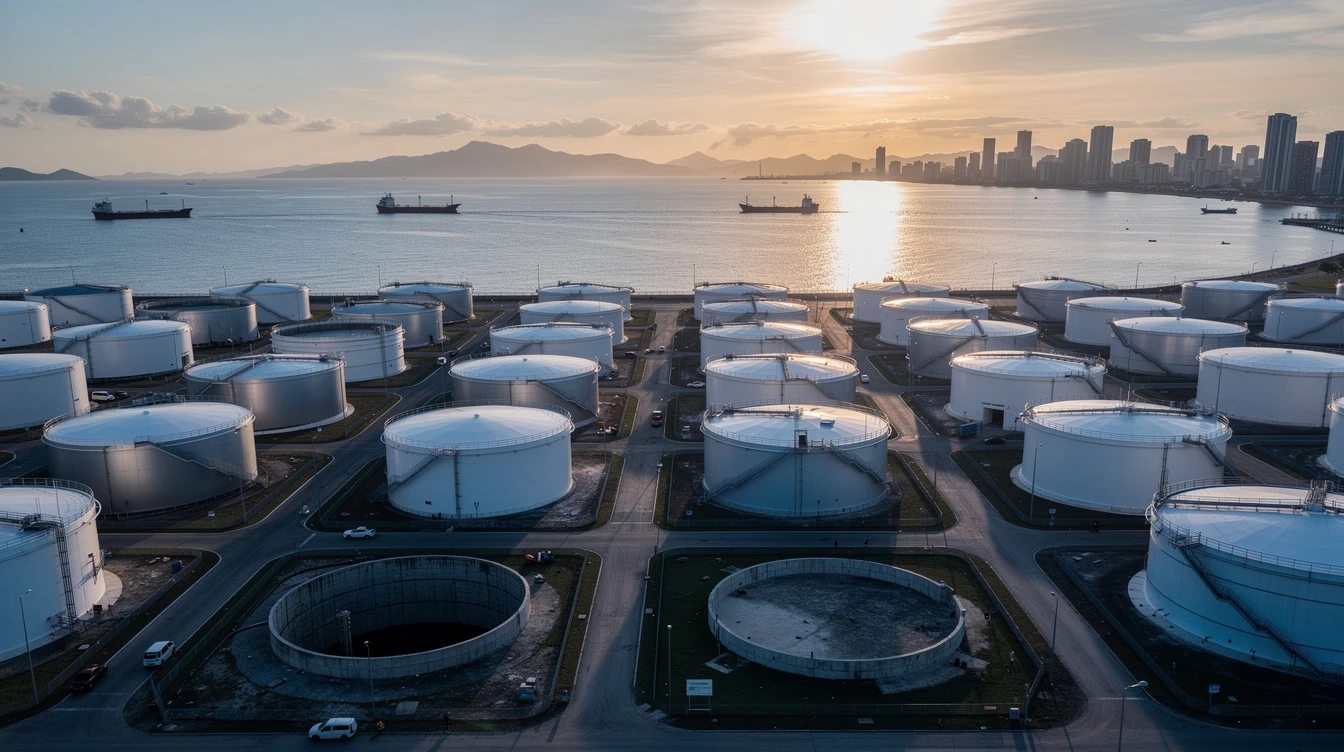
The Department of Energy (DOE) reported this week that the Philippines' total oil inventory can last up to 50.94 days but lacks sufficient storage capacity for specific fuel products. The agency clarified the country is not in an oil crisis but highlighted a critical infrastructure gap.
Energy officials stated the current supply of gasoline and other refined products remains within normal levels. However, the nation's storage facilities cannot hold larger strategic reserves to buffer against global market shocks.
"The DOE has no authority to cap oil prices," a department spokesperson emphasized. This regulatory limitation places the burden of price stability on market forces and private oil companies.
The agency has advised local oil players to scrutinize transactions, especially those appearing suspicious. This move aims to prevent market manipulation and ensure supply chain integrity.
Despite concerns, Energy Secretary Raphael Lotilla sees no immediate need for fuel rationing. The government maintains that supply chains are functioning, albeit with thin margins for error.
Global tensions, particularly in the Strait of Hormuz, continue to threaten shipping routes for Philippine-bound crude. Any disruption could quickly deplete the existing 51-day buffer.
The Philippine economy remains heavily dependent on imported fuel. This dependency makes consumers and businesses vulnerable to international price volatility and supply interruptions.
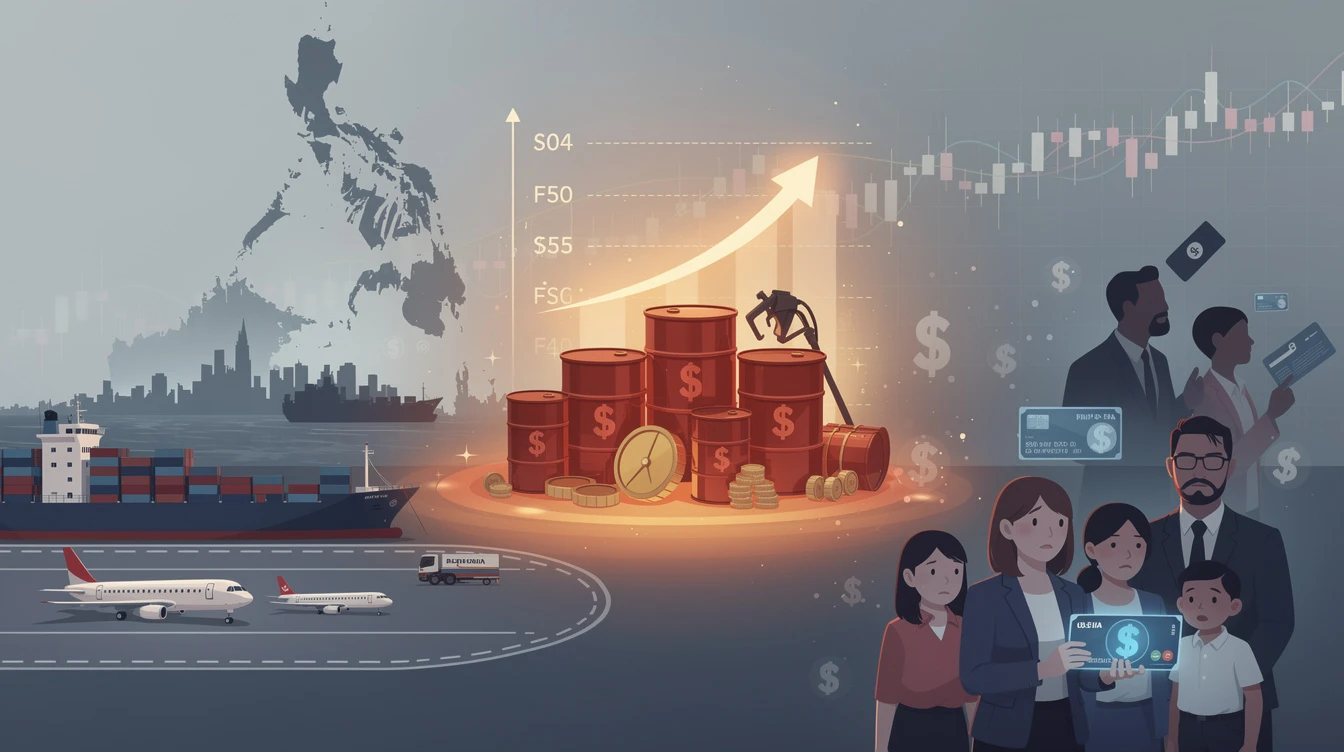
For Filipino families, this storage deficit translates directly to unpredictable pump prices. Transportation costs and commodity prices are immediately affected by any supply constraint.
Millions of overseas Filipino workers (OFWs) send remittances that help families cope with rising fuel costs. A sustained price increase would erode this financial lifeline.
The agricultural sector, which relies on fuel for machinery and transport, is particularly exposed. Some local festivals have already scaled back due to high fuel costs.
Building additional storage infrastructure requires significant investment and long-term planning. The current capacity limits the government's ability to intervene during shortages.
Experts warn that without strategic reserves, the Philippines faces recurring energy security challenges. The archipelago's geographic isolation further complicates emergency response.
The DOE continues to monitor global oil markets and local inventory levels daily. Officials urge the public to rely on official announcements rather than alarmist social media posts.
For the average Filipino driver, jeepney operator, and fisherfolk, fuel affordability is a daily concern. The storage issue underscores systemic vulnerabilities in the national energy policy.
This situation matters profoundly to every Filipino household and business. Inadequate oil storage capacity threatens economic stability, increases living costs, and weakens national resilience against global crises.