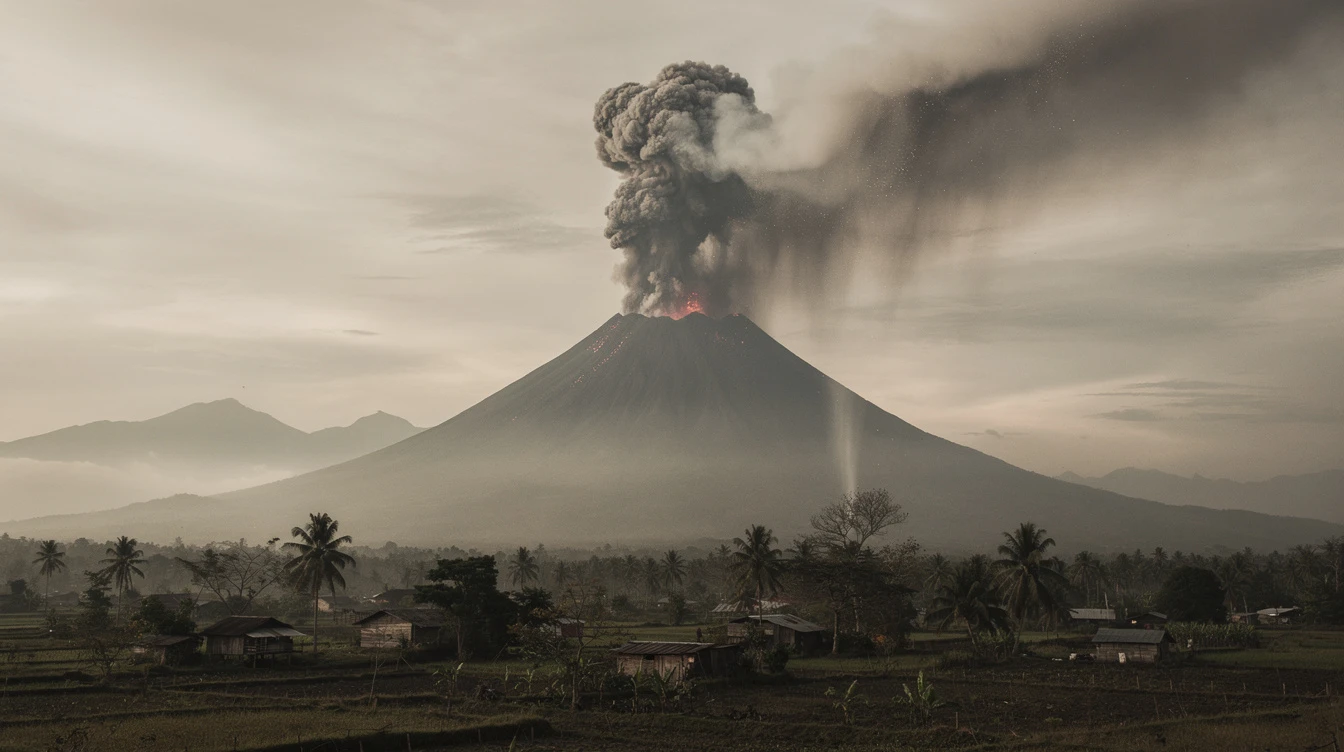
The Philippine Institute of Volcanology and Seismology released close-up footage Tuesday showing Mayon Volcano spewing ash clouds, marking the 91st consecutive day of its ongoing effusive eruption.
PHIVOLCS Director Teresito Bacolcol confirmed the activity was recorded by the DOST-PHIVOLCS Quick Response Team monitoring the restive volcano in Albay province.
The sustained eruption has maintained Alert Level 3, indicating a "relatively high level of unrest" with potential for hazardous explosive activity.
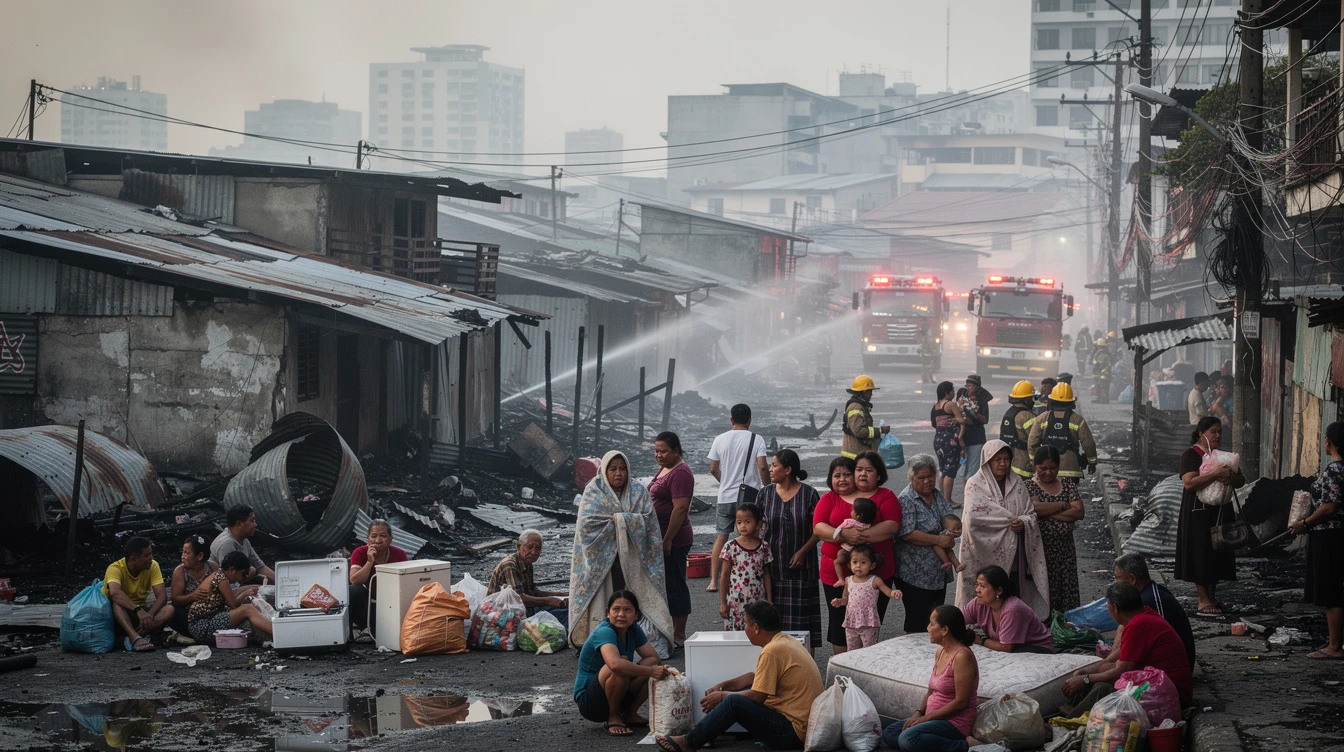
Authorities maintain a 6-kilometer permanent danger zone around the volcano, with over 20,000 residents from surrounding towns still displaced.
"The effusive eruption of lava and degassing activity persist," stated the latest PHIVOLCS bulletin, noting ongoing lava flow and sulfur dioxide emissions.
Minor rockfall events and pyroclastic density currents have been observed on the volcano's southern slopes in recent weeks.
The ash clouds visible in the footage result from the interaction of hot lava with cooler surface materials and groundwater.
This prolonged activity has severely impacted agriculture in Albay, damaging crops and affecting livelihoods in one of Bicol's key farming regions.
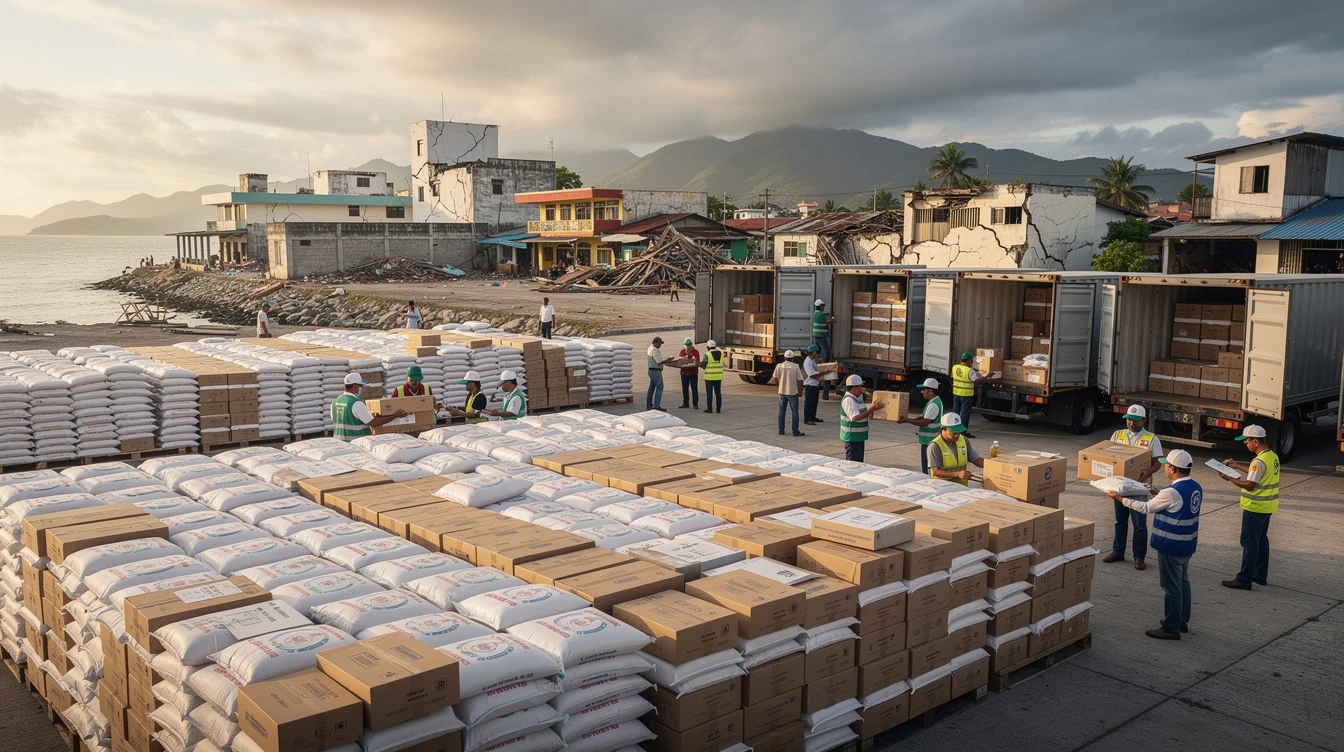
Local government units continue to provide assistance to evacuees housed in temporary shelters across Guinobatan, Camalig, and Ligao City.
The provincial disaster risk reduction council reports increasing strain on resources as the eruption enters its fourth month.
Tourism around Mayon has been suspended, affecting guides, drivers, and hospitality workers who depend on the volcano's iconic profile.
PHIVOLCS emphasizes there is no immediate threat of a major explosive eruption but warns the situation remains fluid and unpredictable.
Air quality monitoring continues in downwind communities as fine ash particles pose respiratory hazards, particularly to children and the elderly.
The National Disaster Risk Reduction and Management Council maintains coordination with regional offices for possible escalation scenarios.
For Filipino families nationwide, Mayon's activity serves as a stark reminder of the country's position within the Pacific Ring of Fire.
The Philippines hosts 24 active volcanoes, with Mayon being the most active, having erupted over 50 times in recorded history.
Overseas Filipino Workers with families in Bicol remain concerned about their relatives' safety and the region's economic recovery.
The sustained eruption highlights the need for continued investment in volcanic monitoring and community preparedness programs.
This event underscores how geological phenomena directly impact Philippine food security, local economies, and internal displacement patterns.