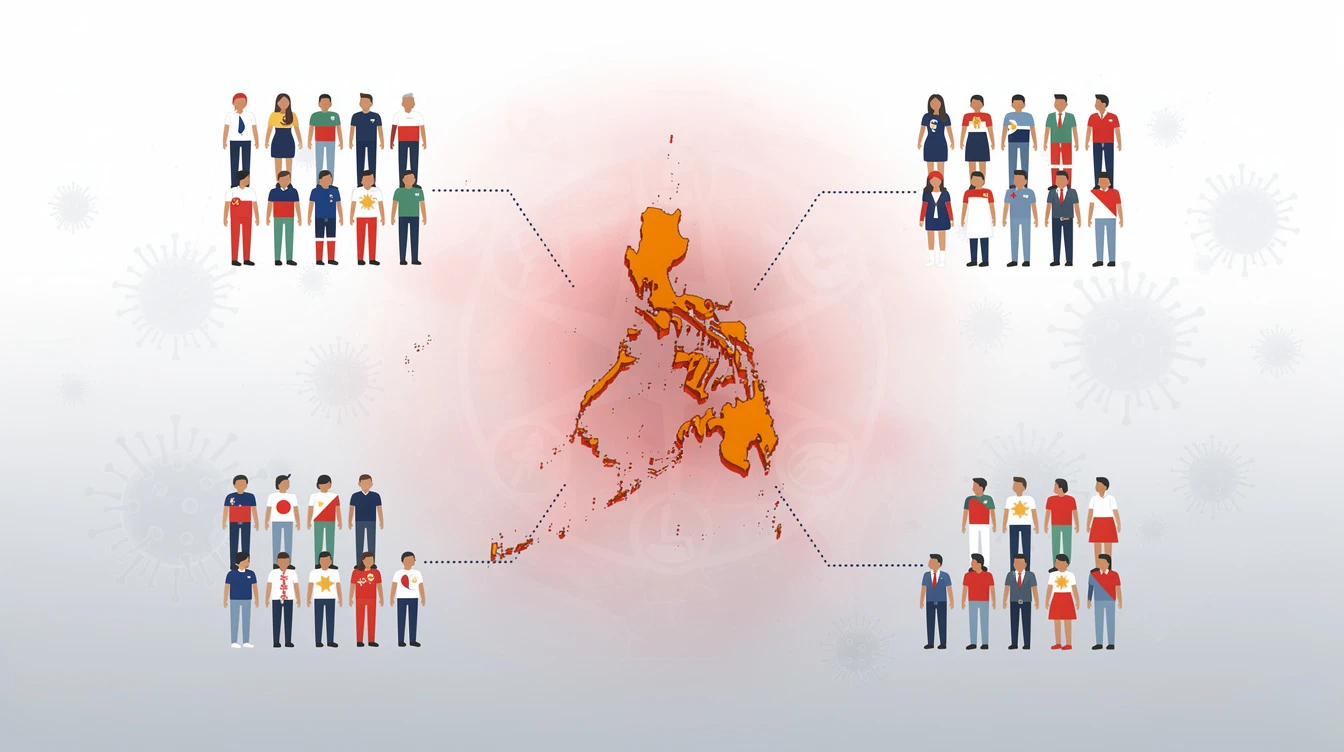
ROME — Conflict, drought, and shrinking aid will keep global hunger at critical levels in 2026, with food insecurity expected to worsen in some of the world’s most fragile countries, according to the 2026 Global Report on Food Crises released on April 24. The tenth edition of the hunger monitor, published by a coalition of humanitarian and development organizations, says acute hunger has doubled in the last decade and that last year, for the first time in the report’s history, two famines were declared — in Gaza and Sudan. For the Philippines , a net food importer heavily reliant on global markets, these developments pose a direct threat to food security and household budgets, as higher import costs could ripple through the economy.
The report, released simultaneously in Rome and other capitals, warns that the compounding effects of war, climate shocks, and funding gaps will push millions more into acute hunger in 2026. It notes that the number of people facing crisis-level food insecurity or worse has already reached 282 million across 59 countries, a sharp rise from the 193 million recorded five years ago. For Filipino consumers , this could mean tighter global supply and higher prices for key staples like rice, wheat, and cooking oil, which the Philippines imports in large volumes. According to the Department of Agriculture , the Philippines imported a record 4.7 million metric tons of rice in 2025, making it one of the world’s top rice buyers. Any disruption in global trade, as flagged by the report, could directly impact local food availability and prices.
drought,
The report specifically highlights the war between the United States and Israel against Iran as a new aggravating factor. “The US-Israel war on Iran has increased the alarm,” said Lario, a senior official quoted in the report, warning that a prolonged disruption of energy and fertilizer trade could reverberate through global food markets and worsen hunger in import-dependent countries already in crisis. The Philippines , which imports fertilizers and energy from the Middle East, is especially vulnerable. If fertilizer prices spike due to trade disruptions, local farmers would face higher production costs, potentially reducing yields of rice, corn, and vegetables and further straining food supply.
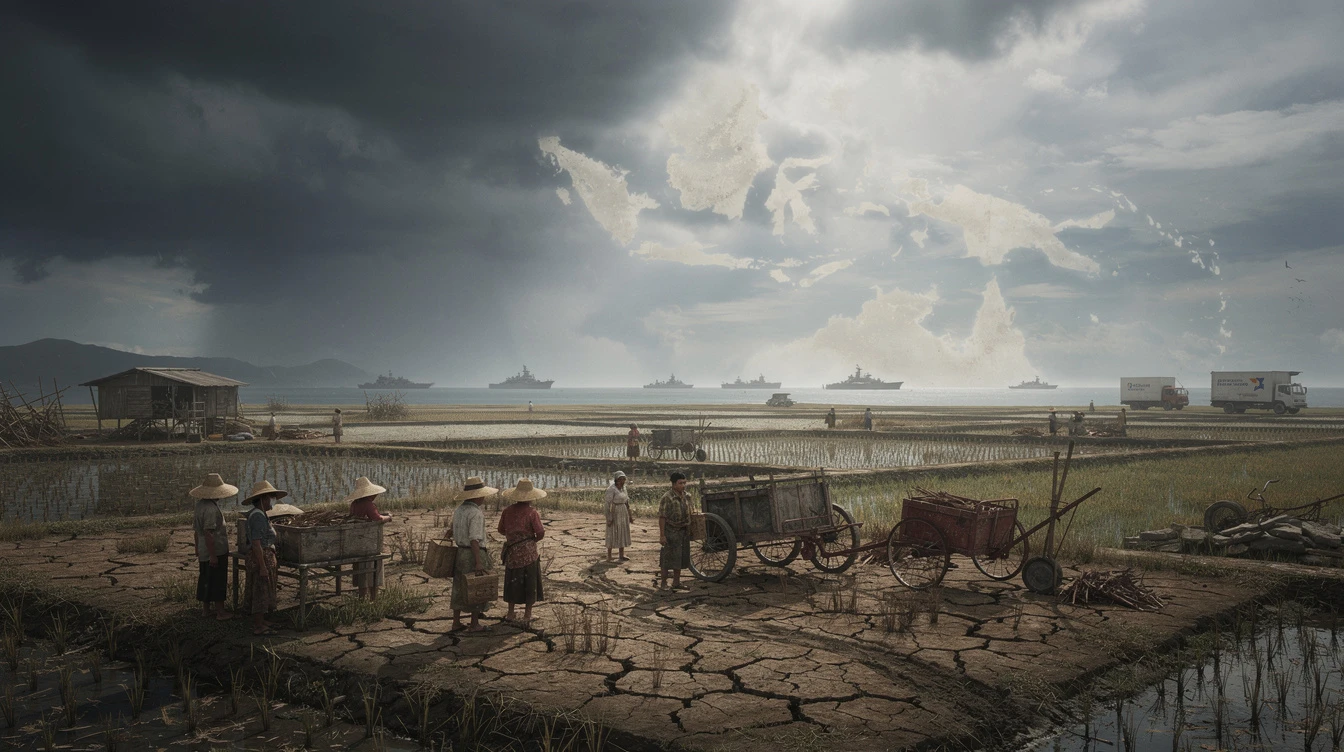
The report also points to drought as a major driver of hunger in 2026. While specific regions are not detailed in the initial summary, historical patterns suggest that Southeast Asia , including the Philippines, could experience increased drought frequency linked to El Niño. The Philippine Atmospheric, Geophysical and Astronomical Services Administration (PAGASA) has previously warned that the country may face a moderate to strong El Niño by late 2025 and into 2026, which could reduce rainfall and impact agricultural outputs. A drought in the Philippines would compound the global pressures, making the country doubly vulnerable to food shortages.
The coalition behind the report — which includes the Food and Agriculture Organization (FAO), the World Food Programme (WFP), and other partners — calls for urgent action to break the cycle of hunger. It urges governments to address root causes of conflict, invest in climate-resilient agriculture, and close the growing funding gap for humanitarian aid. For the Philippines, the Department of Social Welfare and Development (DSWD) has already begun contingency planning for potential food price spikes, though officials have not yet announced specific measures.
shortfall
The report’s findings come at a time when international aid budgets are under severe strain. Major donors, including the United States and European nations, are cutting foreign assistance in favor of domestic priorities. This reduction directly affects the Philippines’ nutrition programs for children and pregnant women, which rely partly on aid from organizations like the World Food Programme and the UN Children’s Fund (UNICEF). In 2025, the WFP provided food assistance to over 1 million Filipinos in conflict-affected areas of Mindanao and during natural disasters. A shortfall this year could leave critical gaps in emergency feeding operations.
The relationship between the Philippines and the international community in addressing hunger is now under scrutiny. The government’s own Philippine Development Plan aims to reduce the prevalence of undernourishment to below 10% by 2028, but the current global outlook makes that target harder to achieve. The report’s data shows that already, about 8.8% of the world’s population — or roughly 690 million people — are undernourished, meaning they have a calorie intake below minimum energy requirements. For the Philippines, the Food and Nutrition Research Institute (FNRI) estimates that around 11.3% of Filipino families were food insecure in 2025, a number that could rise if global conditions deteriorate further.
The Global Report on Food Crises arrives amid a broader geopolitical reset. The United Nations Secretary-General has called for a global summit on food systems, but progress has been slow. Meanwhile, countries like China and Russia are using food as a tool of geopolitical influence, offering grain and rice deals to allied nations. The Philippines, which maintains a balanced foreign policy, must navigate these competing interests while ensuring its own food needs are met.
hunger
For Filipino readers , this report is more than a distant warning — it is a clear signal that immediate and long-term planning is needed to insulate the country from global shocks. The government, from the Department of Agriculture to the National Economic and Development Authority (NEDA), must accelerate investments in local food production, enhance the country’s grain buffer stock, and strengthen social safety nets for the most vulnerable. On an individual level, Filipino families can expect that food prices may not fall soon and should plan their budgets accordingly.
The report’s key takeaway is stark: without decisive action, hunger will not only persist but deepen. The Philippines, with its vulnerability to both climate change and global market fluctuations, is in the path of this crisis. Policymakers must act now to safeguard the nation’s food future.