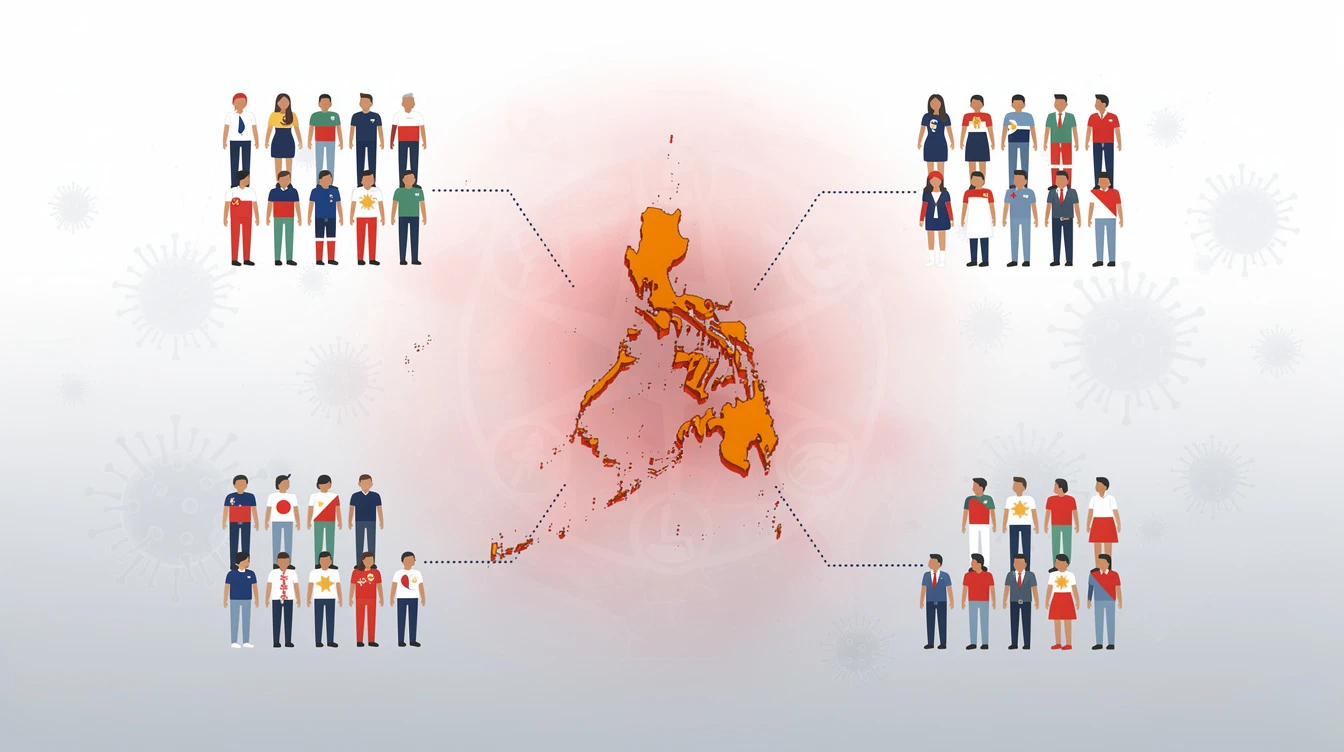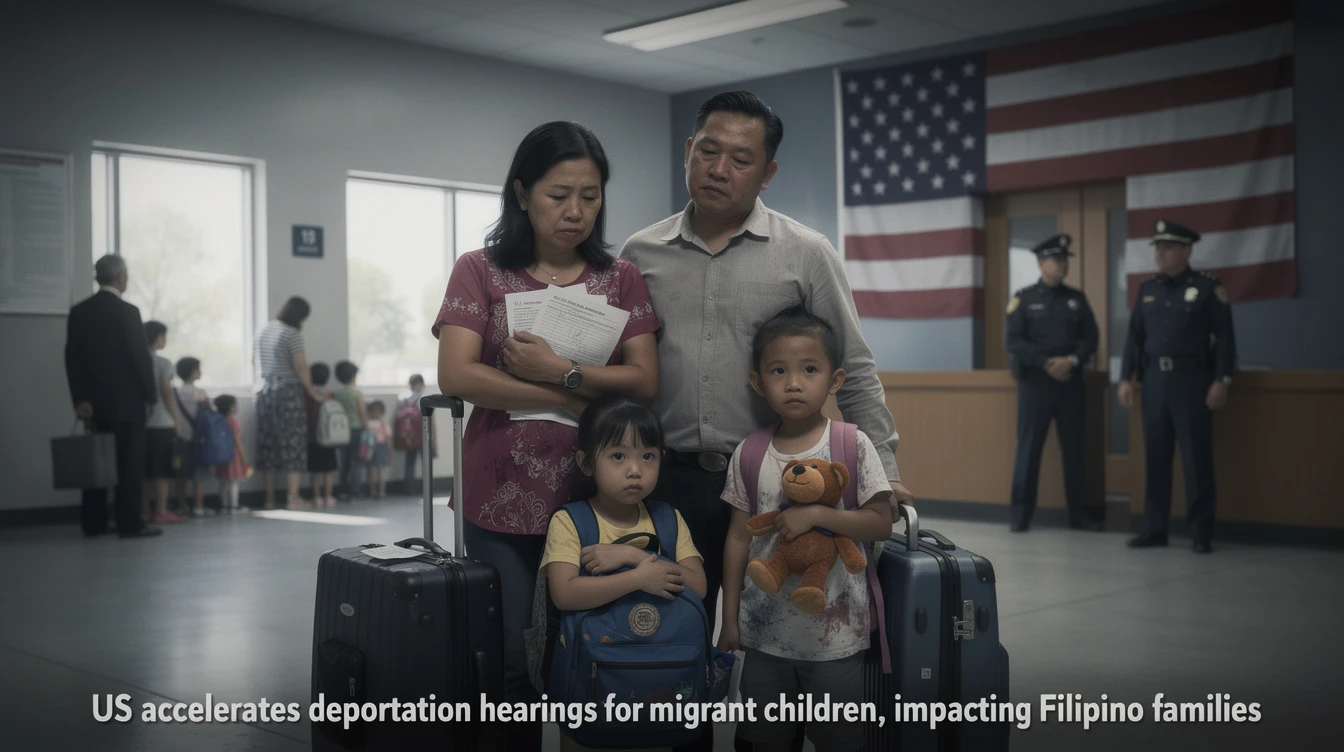
The United States administration is bringing forward immigration hearings for deportations of migrant children in custody by weeks or even months, a move that directly impacts thousands of Filipino families with children in US immigration detention. Per a report from CNN citing officials and legal representatives, the Department of Health and Human Services (HHS) has accelerated case processing for unaccompanied minors, aiming to resolve cases faster. For Filipino readers, this policy shift threatens to separate families and limits legal defenses for young migrants.
The reform, confirmed by Reuters on April 28, 2026, targets children held in US custody, reducing waiting periods from months to weeks. According to CNN , the HHS spokesperson stated the agency "is focused on resolving cases involving unaccompanied children as quickly and efficiently as possible, consistent with the law." However, lawyers and advocates warn this makes it harder for children to secure legal relief , increasing the risk of deportation without due process. This is critical for Filipino families in the Philippines and abroad who have children in US detention.
Data from the US Immigration and Customs Enforcement (ICE) shows that in fiscal year 2025, over 130,000 unaccompanied alien children (UAC) entered US custody, with a significant number from the Philippines and other Asian countries. The accelerated hearings mean Filipino children now face expedited removal proceedings, reducing time to find legal counsel or apply for asylum. For OFW families in the Philippines, this could mean forced repatriation of children without proper legal recourse, according to immigration analysts.
Accelerates
The Trump administration defends the policy as necessary to streamline a backlogged immigration system. In a statement to CNN , the HHS spokesperson emphasized that the goal is to resolve cases "as quickly and efficiently as possible, consistent with the law." Yet, immigration advocates argue that children often lack the capacity to navigate complex legal proceedings, especially when hearings are advanced without notice. The American Civil Liberties Union (ACLU) has filed lawsuits challenging similar practices in the past, citing violations of due process rights.
Filipino communities in the US are particularly vulnerable, as many children arriving from the Philippines flee poverty, domestic abuse, or political instability. The National Council of Asian Pacific Americans (NCAPA) has flagged that Filipino unaccompanied minors face unique challenges, including language barriers and lack of access to culturally competent legal aid. For more on how immigration policies affect local communities, see Local News .
The economic implications are also stark. The Philippine Department of Foreign Affairs (DFA) estimates that remittances from Filipino migrants in the US total over $10 billion annually. Accelerated deportations could disrupt these flows, affecting families dependent on such income.
Deportation
Moreover, children deported back to the Philippines may face re-integration difficulties, posing a challenge for the Philippine government to provide support services. Stay updated on these trends in Business News . Legal experts highlight that unaccompanied minors have the right to legal representation under US law, but it is not guaranteed.
The Defending Child Immigrants Act has been proposed in Congress to provide funding for counsel, but remains stalled. Without a lawyer, children in accelerated hearings are more likely to be deported, according to a 2025 study by the Transactional Records Access Clearinghouse (TRAC) . This is a pressing issue for Filipino NGOs working in the US to assist migrant children.
In response, the Philippine Consulate in Los Angeles and other US cities has issued advisories for Filipino migrants to seek legal help immediately. The consulate can provide a list of accredited lawyers and organizations, such as the Asian Americans Advancing Justice , that offer pro bono services. For families in the Philippines, the Commission on Filipinos Overseas (CFO) offers counseling and referral services.
Learn more about these resources in Technology for updates on digital legal aid tools. The political backdrop is tense. The US Supreme Court is expected to rule on a related case, Biden v.
Texas , which could impact the legality of expedited removals. Meanwhile, President Ferdinand Marcos Jr. has maintained close diplomatic ties with the US, but the administration has yet to issue a formal statement on this specific policy. The Philippine Department of Justice (DOJ) is monitoring the situation, according to sources.
Follow developments in Politics . Advocacy groups are mobilizing. The Filipino Migrant Workers Movement and other organizations plan a rally at the US Embassy in Manila next month to protest the policy.
They urge the Philippine government to lobby the US administration for a moratorium on accelerated hearings for children. In the meantime, legal clinics in the US are seeing a surge in requests from Filipino families seeking help. For a broader look at immigration impacts, visit World News .
Hearings
The accelerated deportations also intersect with the broader US immigration enforcement crackdown. Data from US Customs and Border Protection (CBP) shows that encounters at the southern border dropped by 40% in 2025 after new policies, but interior enforcement has intensified. For Filipino nationals overstaying visas or with pending cases, the environment has become more hostile.
The Bureau of Immigration in the Philippines has advised outgoing travelers to ensure compliance with US laws to avoid detention. In conclusion, the US policy to accelerate deportations of migrant children poses a direct threat to Filipino families with unaccompanied minors in custody. The potential for expedited removal without adequate legal representation raises serious human rights concerns.
For Filipino readers in the Philippines and abroad, staying informed through reliable sources is crucial to protect loved ones and push for fair treatment. The Philippine government and advocacy groups must act swiftly to safeguard the rights of these vulnerable children.