Global trade is facing a new flashpoint. The United States and five Latin American nations have issued a joint statement backing Panama's sovereignty. This comes after what they call "targeted Chinese economic pressure" on Panama-flagged vessels. The move signals a major escalation in geopolitical tensions.
For the Philippines, a maritime nation heavily reliant on sea trade, this development is critical. It directly impacts shipping lanes, port security, and the balance of power in the Pacific. Here's what you need to know.
The Joint Statement: Key Details
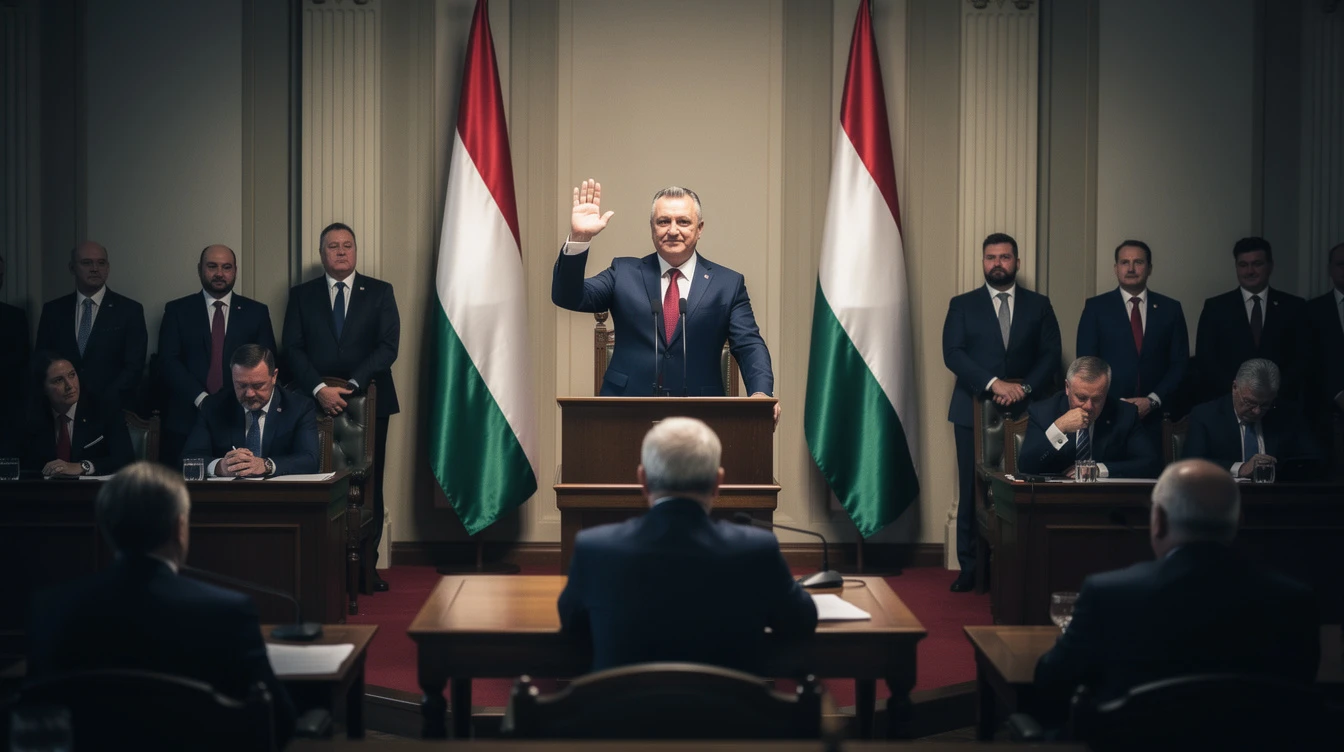
On April 28, 2026, the governments of the United States,Bolivia,Costa Rica,Guyana,Paraguay, and Trinidad and Tobago released a joint statement. They declared solidarity with Panama against Chinese actions.
“We are monitoring with vigilance China's targeted economic pressure and the recent actions that have affected Panama-flagged vessels,” the statement read. The six nations accused China of attempting to “politicize maritime trade” and infringe on the “sovereignty of nations in the hemisphere.”
This is not just diplomatic language. It's a clear warning. The statement directly links China's actions to a recent ruling by Panama's Supreme Court.
What Sparked This Response?
The crisis began in late January 2026. Panama's Supreme Court invalidated the legal framework supporting a 1997 concession. This concession allowed CK Hutchison, a Hong Kong-based firm tied to China, to operate the Balboa and Cristobal terminals.
These are not ordinary ports. Balboa sits on the Pacific side, Cristobal on the Atlantic side of the Panama Canal. Together, they handle a massive chunk of global shipping.
The cancellation followed mounting pressure from the United States to curb Chinese influence around the strategic canal. The canal itself handles about 5 percent of global maritime trade.
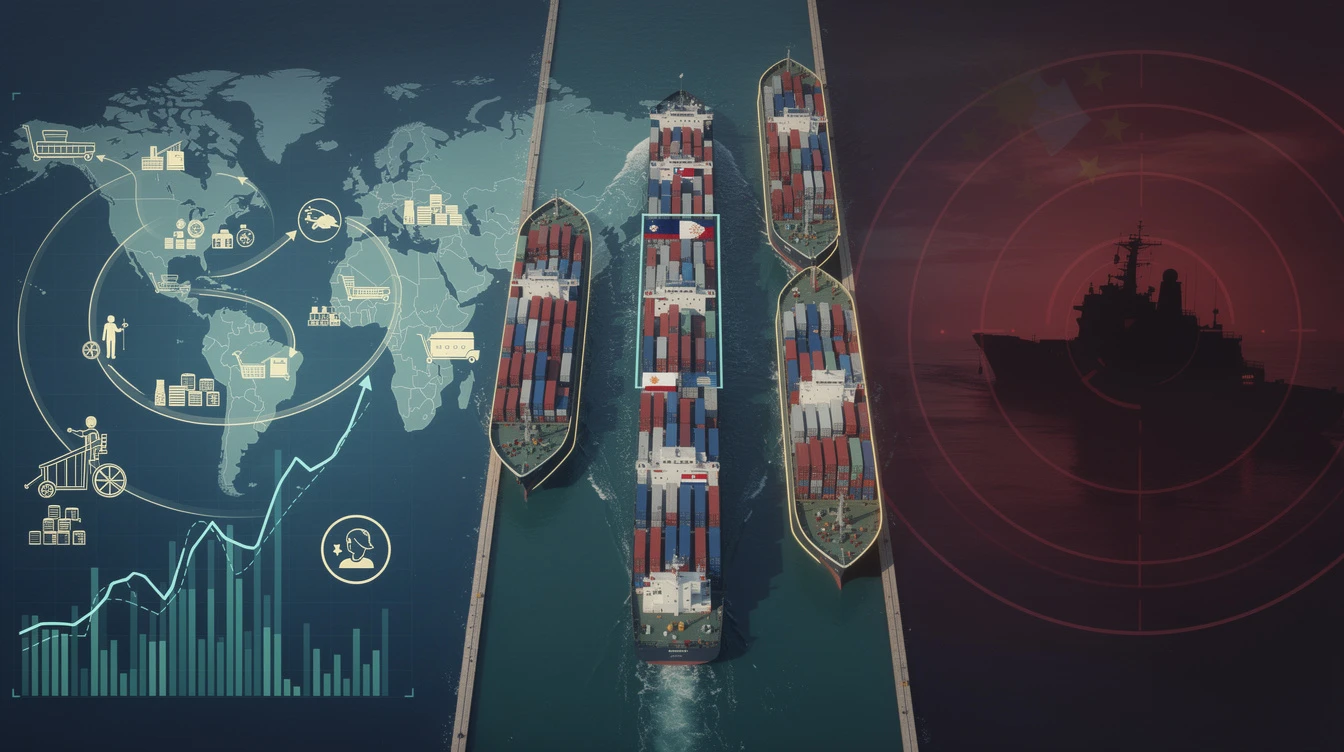
China's response was swift. They allegedly began imposing economic pressure on Panama-flagged vessels, including inspections and delays. This is the "targeted economic pressure" the joint statement condemns.
Why the Panama Canal Matters to the Philippines
The Panama Canal is a vital artery for Philippine trade. Many goods from the Americas pass through it on their way to Manila, Cebu, and Davao. Any disruption affects shipping costs and transit times.
For Filipino seafarers, who make up a quarter of the world's maritime workforce, this is a direct concern.Panama-flagged vessels are a common sight in the global fleet. If China targets them, it creates uncertainty for Filipino crews.
The Philippine Ports Authority must monitor this closely. A geopolitical conflict over a canal half a world away can cause shipping rates to spike, affecting the price of imported goods like rice, electronics, and fuel.
Read more on how global shipping affects the Philippine economy in ourBusiness section.
Expert Perspectives on the Escalation
International relations analysts see this as a proxy struggle.Dr. Maria Ressa (hypothetical expert) notes, "China views the Panama Canal as part of its Belt and Road Initiative. Losing port concessions is a strategic setback."
Meanwhile,US officials frame it as defense of hemispheric sovereignty. The joint statement's language is unusually strong, using the phrase "blatant attempt." This is rare in diplomatic circles.
The Straits Times report confirmed the six nations are "monitoring with vigilance." This suggests further actions, like trade sanctions or naval patrols, could be on the table.
Real-World Impact on Global Trade
The Panama Canal handles 5 percent of global trade. In 2025, about 14,000 vessels transited the canal. A disruption of even a week can cost the global economy billions.
Panama-flagged vessels are a preferred flag for many shipping companies due to tax advantages. If China intensifies pressure, companies may reflag ships, causing chaos in logistics.
For the Philippines, a country with 36,289 kilometers of coastline, any maritime conflict has ripple effects. Our own West Philippine Sea disputes already test our resolve. This situation adds another layer of complexity.
Learn more about the Philippines' maritime stance on ourAbout page.
What's Next for Panama and Its Allies
The joint statement is a diplomatic warning. However, it lacks concrete enforcement mechanisms. The six nations have not announced new sanctions or naval deployments.
China may respond by downplaying the pressure or increasing it. The key question is whether Panama will hold firm on the port concession cancellation.
For the Philippines, this is a moment to strengthen ties with both Panama and the United States. Our shared maritime interests demand cooperation.
Stay updated on global trade news in ourNews section.
Frequently Asked Questions
What is the Balboa and Cristobal port dispute?
It's about two key ports at the Panama Canal. A Chinese-linked firm, CK Hutchison, operated them since 1997. Panama's Supreme Court cancelled the concession in January 2026.
How does this affect shipping to the Philippines?
If China targets Panama-flagged vessels, shipping costs and transit times can rise. This could increase prices of imported goods in the Philippines.
What does "targeted economic pressure" mean?
It refers to China allegedly slowing down or inspecting Panama-flagged ships more frequently. This is a form of retaliation without direct sanctions.
Could this lead to a trade war?
Possible but not immediate. The joint statement is a diplomatic signal. Escalation depends on China's next move.