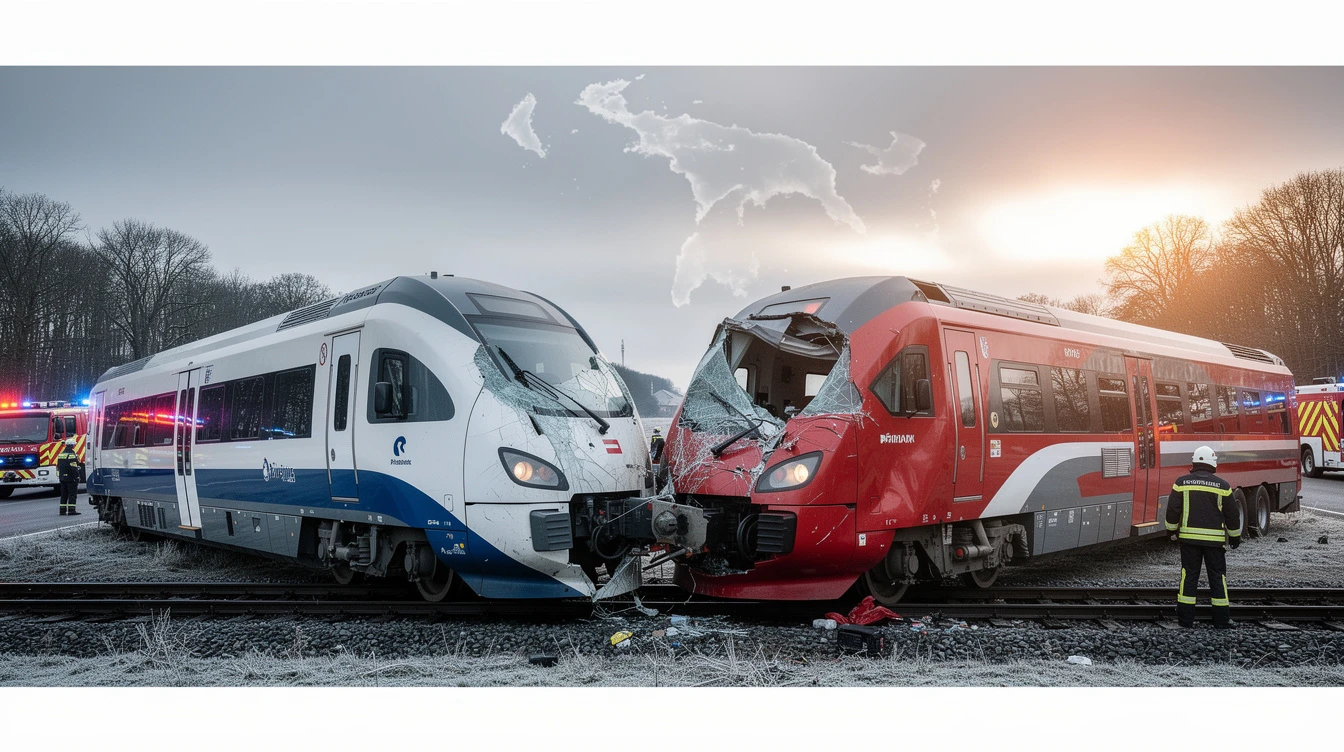
Two passenger trains crashed head-on near Copenhagen, Denmark on Thursday, April 23, 2026, injuring 18 people, four of them in critical condition, according to emergency services. The collision occurred at 6:30 a.m. local time between the towns of Hillerod and Kagerup , about 40 kilometers north of the Danish capital. Police described it as a "serious accident."
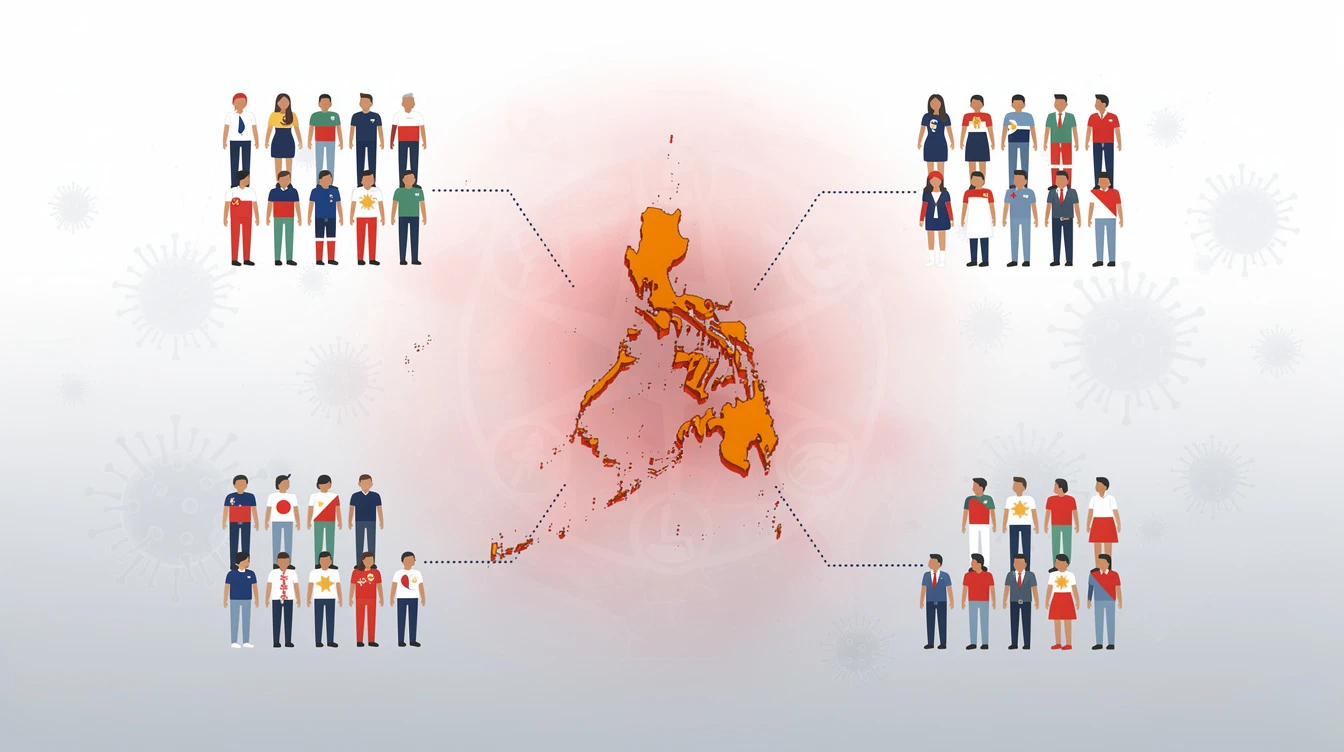
For the estimated 1.6 million Filipinos living and working in Europe, including thousands in Scandinavia, this incident serves as a stark reminder of rail safety risks abroad. Many Overseas Filipino Workers (OFWs) rely on trains for daily commutes and travel across the continent. The Philippine Department of Foreign Affairs (DFA) has not yet issued a travel advisory, but the incident highlights the importance of staying updated on local safety protocols.
Trains
Emergency services mobilized in large numbers, with some injured taken to hospital by helicopter. "Two trains collided and the police and emergency services are mobilised in large numbers," a police statement said. All passengers were successfully evacuated, according to a police spokesman. The prompt response minimized casualties, but four victims remain in critical condition.
Denmark prides itself on its safety record, but a 2019 train crash left eight dead and 16 injured. In August 2025, an express train hit a farm truck on a crossing, killing one person and injuring 27. Thursday's collision underscores that even advanced rail systems face risks. For Filipino travelers heading to Europe this summer, checking train safety records and emergency procedures is crucial.
The cause of the head-on crash is under investigation, with initial reports suggesting possible signal failure or human error. Danish authorities have launched a full inquiry, which could take months. This follows a pattern of rare but serious rail accidents in Scandinavia, prompting debates on infrastructure investment. For more on how global transport incidents affect travelers, see World News .
Collide
Images from the scene showed heavily damaged train carriages still upright on the tracks. The collision occurred on a single-track line near Gribskov, north of Hillerod. Rescue workers, including firefighters and paramedics, treated the wounded at the site before transporting them to hospitals across the Copenhagen region. Mayor Trine Egetved of Gribskov municipality urged residents to avoid the area.
This incident has implications for Philippine infrastructure development , particularly ongoing rail projects like the North-South Commuter Railway and Manila Metro Rail Transit . As the Philippines expands its rail network, learning from global accidents—including causes and response strategies—becomes critical. The Department of Transportation (DOTr) can study Denmark's swift evacuation and medical response.
For OFWs in Europe , train travel remains a primary mode of transportation. Many work in sectors like healthcare, hospitality, and domestic service, relying on rail networks to reach jobs. The Philippine Embassy in Oslo, which covers Denmark, should issue safety reminders. In the meantime, travelers are advised to check local emergency numbers and register with the DFA's Overseas Workers Welfare Administration (OWWA) for alerts.
Denmark's rail network carries over 200 million passengers annually, making Thursday's crash statistically rare but devastating. The European Union has strict rail safety standards under the European Railway Agency , which mandates periodic inspections and incident reporting. However, older infrastructure in some regions poses challenges. The Philippine government, under the Build Better More program, can adopt best practices from such EU standards.
Filipino travelers planning European vacations this spring should consider several steps: purchase travel insurance that covers medical evacuation, stay updated on local news via apps like Rejseplanen (the Danish travel planner), and know emergency contacts at the Philippine Embassy in Copenhagen (consular jurisdiction). The DFA's eTravel platform also provides alerts for overseas Filipinos.
This crash also reignites discussions on automatic train protection systems , which can prevent collisions when human error or signal failures occur. Denmark began upgrading its system after the 2019 tragedy, but full implementation is not yet complete. The Philippines, meanwhile, has invested in modern signaling systems for its new rail lines, but older lines remain vulnerable.
Head-On
In the aftermath, Danish police are interviewing witnesses and reviewing data recorders. The Accident Investigation Board Denmark will release a preliminary report within weeks. For Filipinos, this story is a reminder that global safety standards are only as strong as their implementation. Whether at home or abroad, vigilance and preparedness are key.
The significance for Filipino readers is clear: this tragedy underscores the universal importance of rail safety , especially as the Philippines modernizes its own railway systems. For OFWs and travelers, it highlights the need to stay informed and prepared for emergencies in countries like Denmark, where even small incidents can have life-altering consequences. By learning from global accidents, Filipinos can push for safer transport policies at home and abroad.