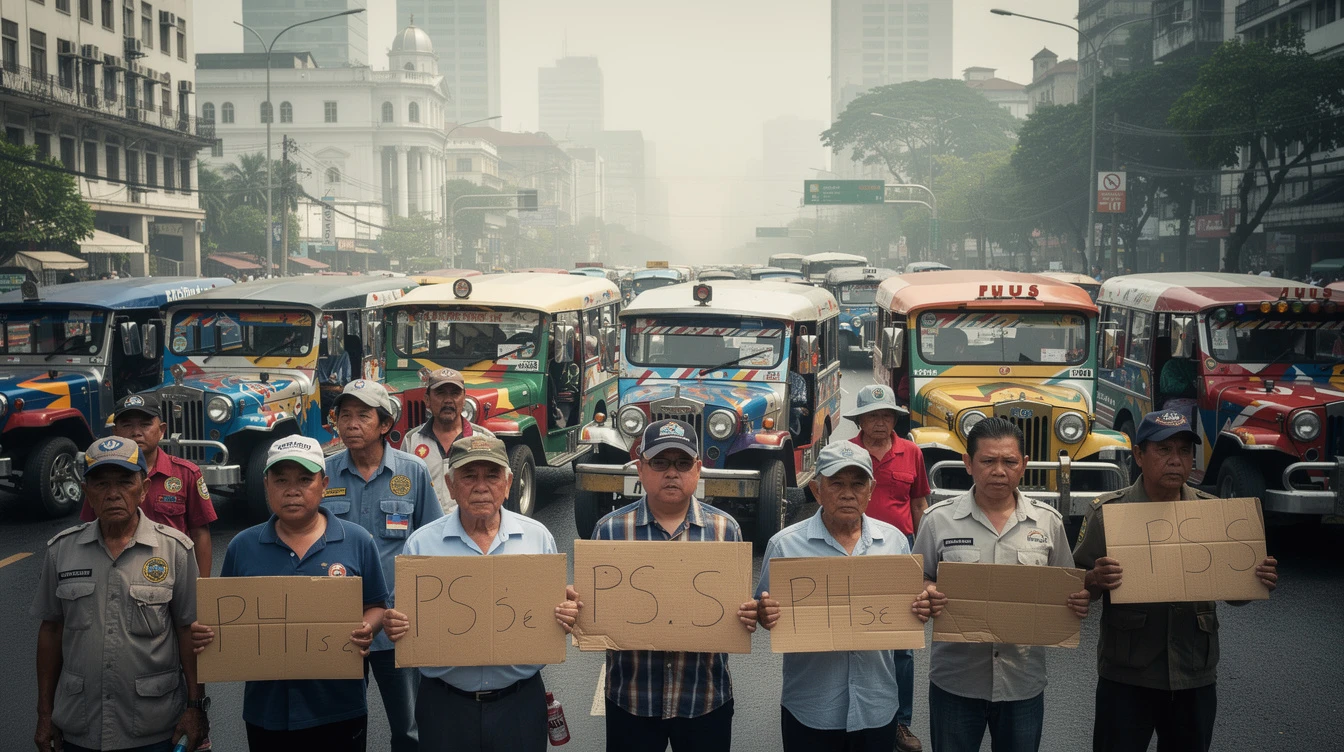
Transport group Manibela and other sector leaders have publicly criticized the government's service contracting program, specifically opposing the mandatory installation of GPS devices in public utility vehicles. The controversy centers on a key requirement for operators to access state subsidies aimed at providing drivers with stable income.
The Department of Transportation (DOTr) insists GPS units are essential for monitoring vehicle routes, ensuring compliance, and accurately distributing performance-based subsidies under the program. Officials argue this technology is a cornerstone of the Public Utility Vehicle Modernization Program (PUVMP).
"We are not against service contracting, but we oppose the forced GPS installation," a Manibela spokesperson stated. The group claims the devices represent an invasion of privacy and an undue financial burden on operators already struggling with modernization costs.
Transport leaders warn that requiring drivers to fund the GPS units themselves defeats the program's goal of providing dignified livelihoods. They argue the expense could negate the financial benefits of the government subsidies meant to support them.
Beyond cost, some operators express unease over constant location tracking, questioning data security and potential misuse. This resistance has contributed to significant delays in rolling out the service contracting scheme nationwide.
The DOTr maintains that GPS data is crucial for efficient service monitoring and transparent fund disbursement. The system is designed to pay operators based on verified kilometers traveled, not just passenger count.
Delays in implementation mean thousands of Filipino drivers continue to wait for the promised stabilized earnings. The program is seen as a safety net, especially for those on unprofitable but socially necessary routes.
This standoff highlights the ongoing tension between rapid transport modernization and the practical realities faced by operators. Finding a compromise on the GPS issue is critical to moving the stalled program forward.
The government views service contracting as a transitional tool to improve public transport while moving toward industry consolidation under the PUVMP's June 2025 franchise consolidation deadline.
For the commuting public, a functional service contracting program promises more reliable and predictable public transportation services. The GPS tracking is intended, in part, to ensure vehicles adhere to assigned routes and schedules.
The dispute now rests on whether the DOTr will adjust its technical requirements or if transport groups will relent. The outcome will directly impact the pace of modernization and the welfare of countless Filipino drivers and their families.
This issue matters deeply to Filipinos as it strikes at the heart of transport affordability, driver welfare, and the future of daily commutes. The success or failure of this program affects millions who rely on jeepneys and buses, influencing both livelihoods and the cost and efficiency of public transport nationwide.