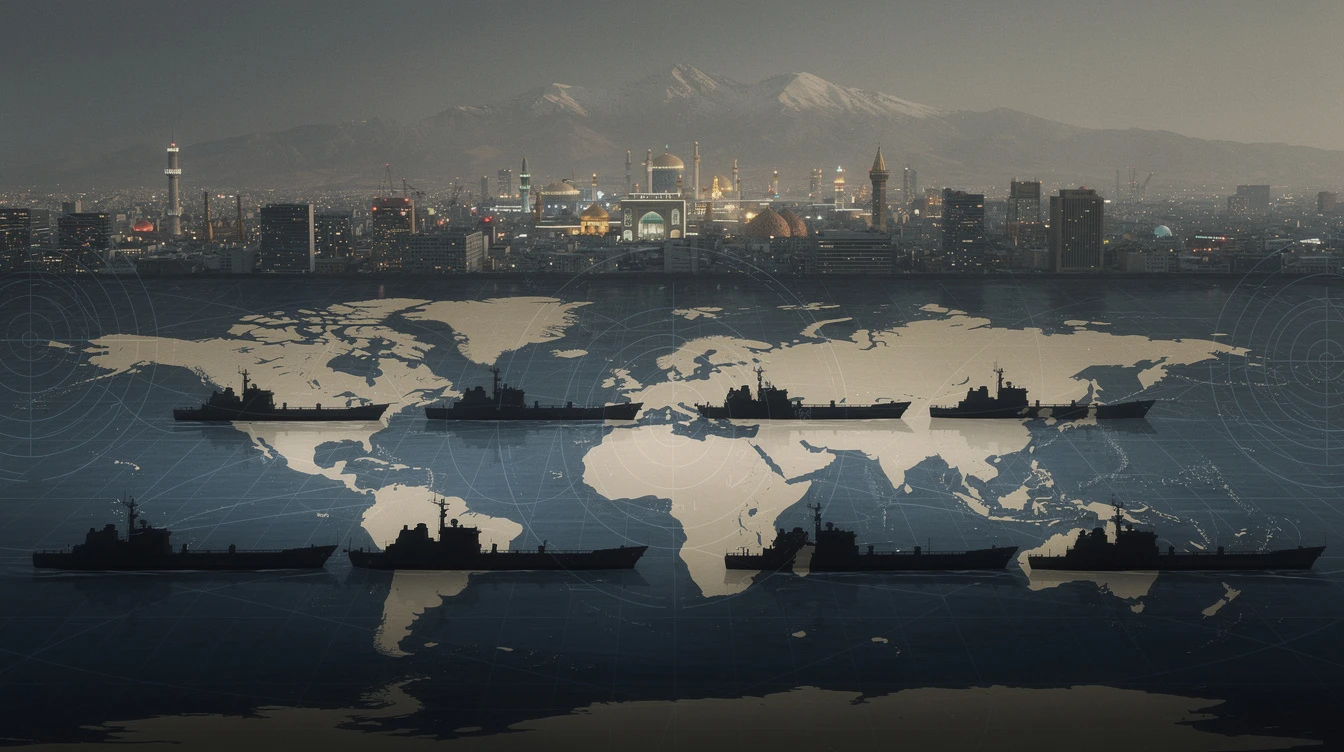
A US intelligence analysis concluded that Iran could withstand a naval blockade for another four months, and US strikes have not forced Tehran to capitulate, as fighting flared in the Gulf. The assessment, from the Central Intelligence Agency, was first reported by the Washington Post and confirmed by US officials. It comes as recent days saw the biggest flare-ups in and around the Strait of Hormuz since a ceasefire began a month ago.
CIA Assessment Details Iran's Economic Resilience
The CIA analysis determined that Iran would not suffer severe economic pressure from a US blockade of its ports for about four months, according to a US official familiar with the matter. The finding suggests US leverage over Tehran remains limited as both sides seek to end a conflict that has been unpopular with US voters.
The assessment also concluded that the US bombing campaign of Iran, hailed as a success by US President Donald Trump, has failed to force Iran's leaders to capitulate. The official spoke on condition of anonymity to discuss the sensitive intelligence report.
Renewed Fighting Threatens Ceasefire
Efforts to end the war between the US and Iran appeared to stall as the two sides traded fire in the Gulf on Friday. The United Arab Emirates came under renewed attack, marking the most significant violence since a truce took effect a month ago.
Fighting has centered around the Strait of Hormuz, a critical chokepoint for global oil shipments. The renewed hostilities underscore the fragility of the ceasefire and the challenges facing diplomatic efforts.
"The CIA assessment indicated that Iran would not suffer severe economic pressure from a US blockade of Iranian ports for about another four months," a US official told reporters.
US Strategy Under Scrutiny
The intelligence report raises questions about the effectiveness of the US military campaign and economic pressure campaign against Iran. The Trump administration had touted airstrikes as crippling Iran's ability to project power, but the CIA now suggests Tehran's leadership remains intact.
The assessment also highlights the difficulty of enforcing a naval blockade, especially as Iran has developed asymmetric capabilities, including fast attack boats and mines, to challenge US naval forces in the Gulf.
Political Ramifications
The conflict has been unpopular with US voters, according to opinion polls, creating pressure on the White House to seek a diplomatic resolution. The CIA's finding that Iran can endure a blockade for months suggests that a quick end to hostilities is unlikely through economic pressure alone.
Military analysts note that a four-month window gives Iran time to negotiate from a position of relative strength, as the US weighs the costs of a prolonged campaign.
Fighting in the Gulf
Recent days have seen the biggest flare-ups in fighting in and around the Strait of Hormuz since the ceasefire began a month ago. The United Arab Emirates came under renewed attack on Friday, with reports of drone and missile strikes targeting infrastructure.
The UAE, a key US ally in the region, has been a frequent target during the conflict. The attacks threaten to draw Gulf Arab states more deeply into the confrontation.
The incidents mark a significant escalation after weeks of relative calm, raising fears of a broader regional war.
Global Economic Impact
The fighting in the Strait of Hormuz has disrupted global oil supplies, sending energy prices higher. The waterway handles about 20% of the world's oil transit. Insurance rates for tankers have spiked, and shipping companies are rerouting vessels, adding costs to global trade.
The renewed clashes could further destabilize oil markets, which have already been volatile due to the war.
Iran's Stance
Iranian officials have repeatedly stated they will not negotiate under the threat of military force. The CIA report suggests Tehran believes it can outlast US economic pressure, a calculation that may harden its negotiating position.
Iran's leadership has also signaled willingness to endure hardship, recalling the eight-year Iran-Iraq war in the 1980s when the country's economy survived a prolonged siege.
Diplomatic efforts, including mediation by Qatar and Oman, have so far failed to produce a breakthrough. The latest intelligence assessment adds urgency to those efforts, as both sides face domestic pressures to end the conflict.
US Military Posture
The US Navy maintains a significant presence in the Gulf, including carrier strike groups and amphibious assault ships. The Pentagon has said it is prepared to sustain operations for months if necessary.
However, military planners are reassessing strategy in light of the CIA assessment, according to defense officials. The option of intensifying strikes or tightening the blockade is being weighed against the risk of further escalation and civilian casualties.
The conflict is already one of the longest US military engagements in the Middle East since the Iraq War.
The CIA report underscores that while the US has inflicted damage on Iran, it has not achieved its core objective of forcing a change in Tehran's behavior. The standoff continues, with no clear end in sight.