Taiwan President Lai Ching-te arrived in Eswatini on May 3, 2026, for a surprise official visit that Taipei says Beijing tried to block. China's Taiwan Affairs Office responded hours earlier, on May 2, calling Lai a "rat" and accusing him of sneaking into the African kingdom. The exchange marks the highest-profile diplomatic confrontation between Taiwan and China this year, with direct implications for regional allies including the Philippines.
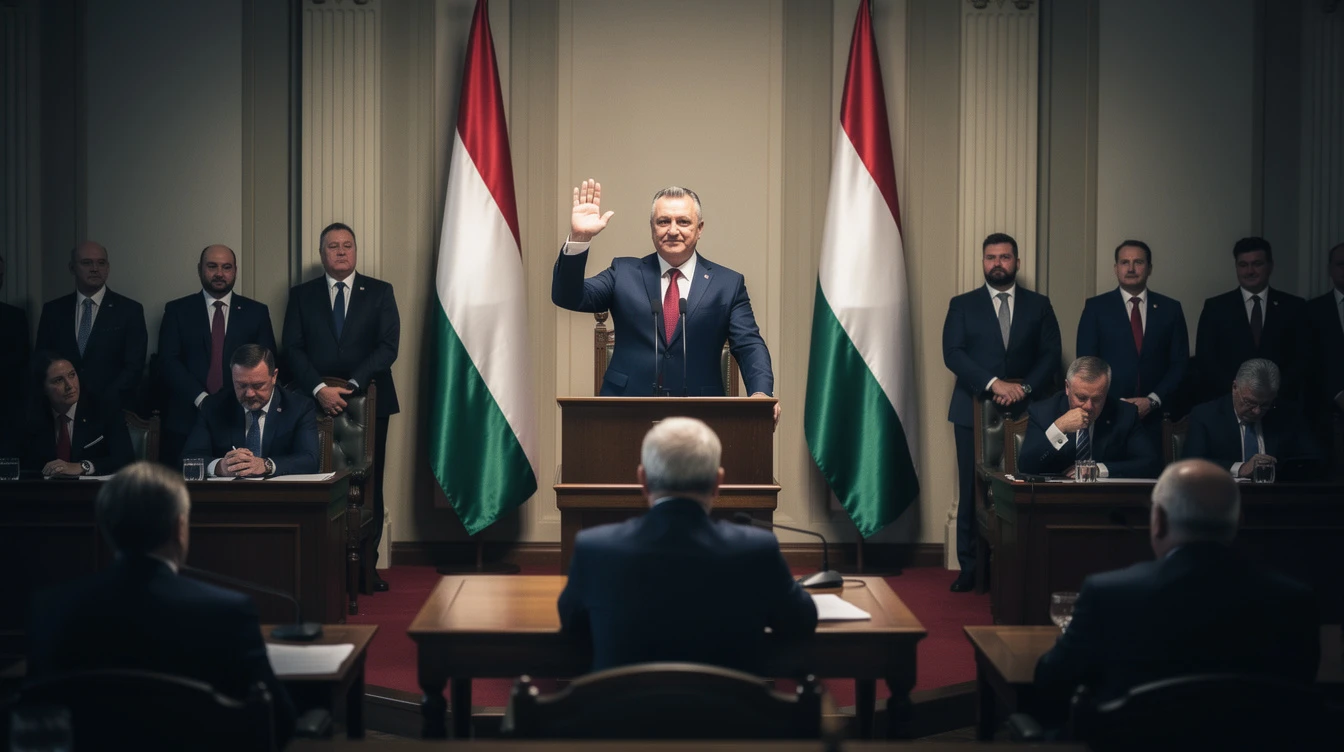
Lai told Eswatini's King Mswati III: "The Republic of China, Taiwan, is a sovereign nation and a Taiwan that belongs to the world." He added that 23 million Taiwanese have the right to engage globally—and no country can stop them.
Inside the Surprise Visit: What Lai Said to Eswatini’s King
The trip, unannounced until just before landing, was publicly framed by Taiwan as an exercise in sovereign diplomacy. According to comments provided by the presidential office on May 3, Lai stated: "No country has the right—nor should any country attempt—to prevent Taiwan from contributing to the world."
Eswatini is one of only 12 nations that maintain full diplomatic ties with Taiwan. The kingdom’s economy relies heavily on Taiwanese investment and technical aid, including agricultural projects and medical missions.
China’s Rapid Response: A Rare Personal Attack
The Taiwan Affairs Office in Beijing did not issue its usual formula statement. Instead, on May 2, it released a one-line statement calling Lai a "rat." The remark drew immediate attention because Chinese state media rarely uses such direct insults against sitting heads of government. Foreign analysts interpreted the language as a sign of Beijing’s growing frustration with Taipei’s diplomatic outreach.
China has long demanded countries sever all engagements with Taiwan. The one-China principle, which Beijing insists on, requires any state with diplomatic ties to China to avoid official relations with the island.
How This Affects the Philippines: Trade, Investment, and Alliances
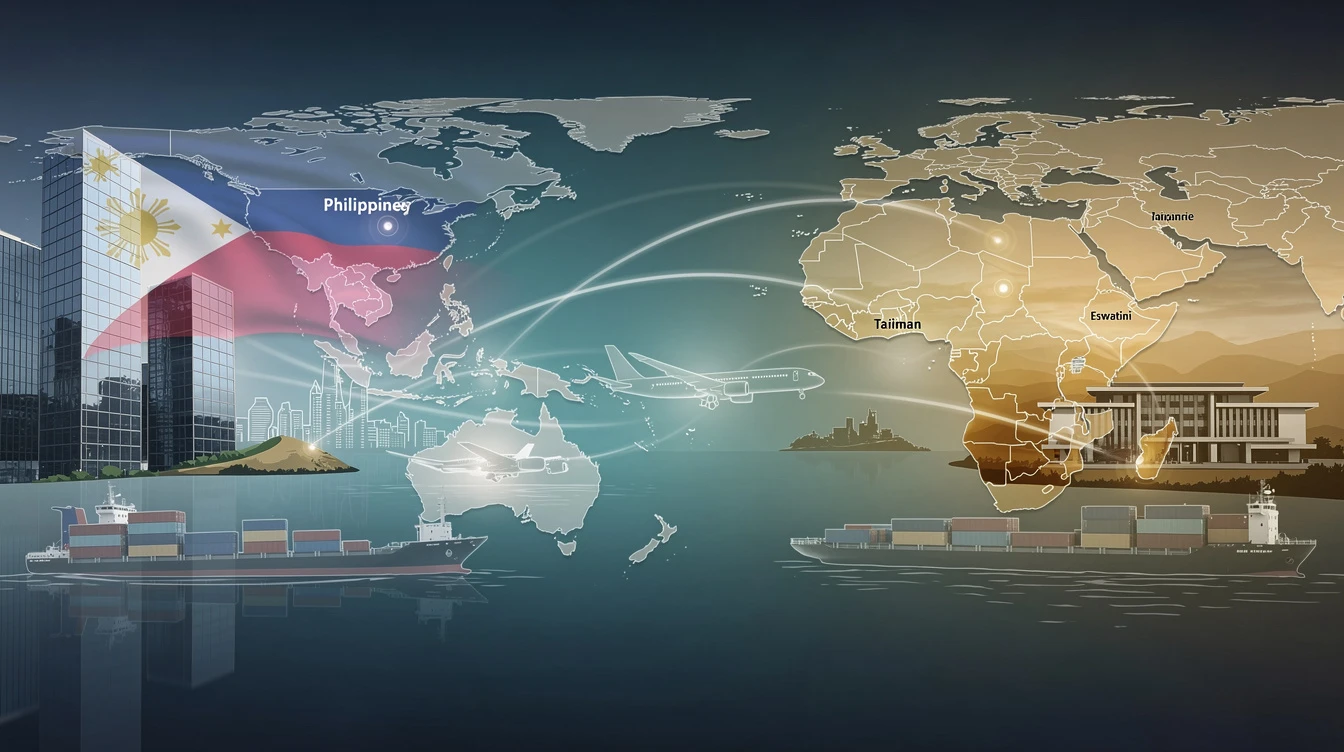
For Manila, the Eswatini trip arrives at a sensitive time. The Philippines maintains unofficial relations with Taiwan through the Manila Economic and Cultural Office (MECO) and its Taipei counterpart. In 2024, trade between the Philippines and Taiwan reached $12.7 billion, making Taiwan the Philippines'6th largest trading partner.
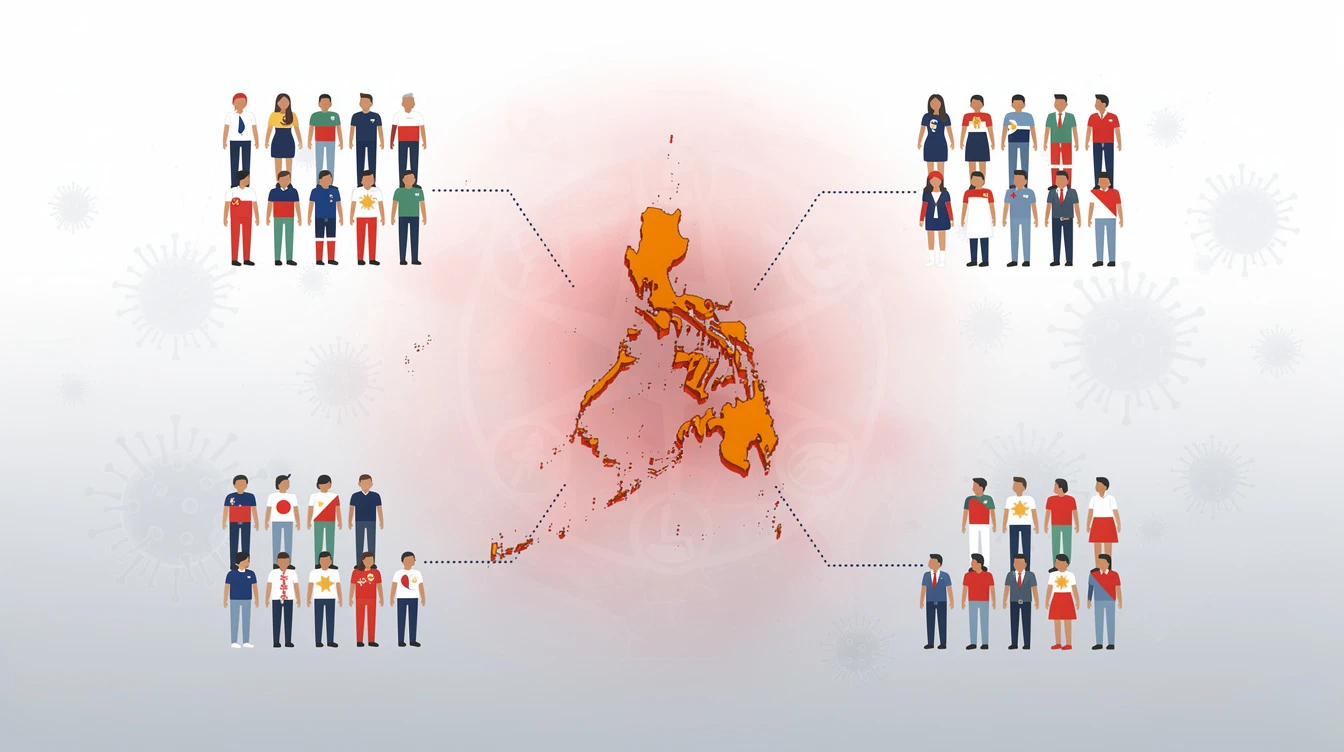
Over 150,000 Filipino migrant workers are employed in Taiwan, mostly in manufacturing and caregiving. Any deterioration in Taipei–Beijing ties risks creating diplomatic pressure that could affect visa regimes or labor agreements.
China’s Pressure Tactics: Could Manila Be Next?
Beijing has consistently pressed Southeast Asian states to choose sides. In early 2025, Chinese diplomats privately warned Philippine officials against allowing Taiwanese cabinet-level visits to Manila. Although the Philippines has not offered Taiwan official recognition, territorial disputes in the West Philippine Sea complicate the equation.
Some observers worry that further Taiwanese diplomatic activism could force the Philippines into harder choices—such as preventing Taiwanese official transit or banning flag-raising ceremonies by Taiwanese organizations.
Eswatini’s Role: Keeping Taiwan’s Diplomatic Lifeline Open
Eswatini remains a strategic partner for Taiwan in Africa, a continent where China has aggressively courted recognition. In 2023, Taiwan announced a $30 million infrastructure grant to Eswatini. During the latest visit, factories and schools built with Taiwanese aid were highlighted.
Eswatini’s King Mswati III has publicly said his kingdom values Taiwan’s "reliable friendship" over China’s financial offers. The visit reaffirms that Taipei can still sway at least one country despite Beijing’s global campaign.
Military Posturing in the Taiwan Strait
Coinciding with Lai’s trip, China sent 21 military aircraft across the median line in the Taiwan Strait on May 3, according to Taiwan’s Ministry of National Defense. Ten naval vessels were also detected near the island. These incursions are now routine, but the timing underscored the seriousness Beijing attaches to diplomatic challenges.
What It Means for Filipino Travelers and Workers
For the roughly 300,000 Filipinos who travel to Taiwan annually for tourism or business, the risk of service disruption remains low—so far. However, any escalatory Chinese military exercises could temporarily close airspace or shipping lanes affecting routes between Manila and Taipei.
Filipino workers in Taiwan should monitor advisories from the Philippine Department of Foreign Affairs (DFA), though no travel ban has been issued.
Significance for Filipino Readers: A Balancing Act in the Pacific
The Eswatini trip is not just about Taiwan and China. It tests how far small and medium powers—like the Philippines—can maintain independent foreign policies amid great power competition. Manila’s position is particularly delicate: it seeks to preserve economic ties with Taiwan while deepening security cooperation with the United States and managing territorial disputes with China.
The outcome of this diplomatic standoff will likely inform how the Philippines calibrates its own representation in the face of similar pressure.