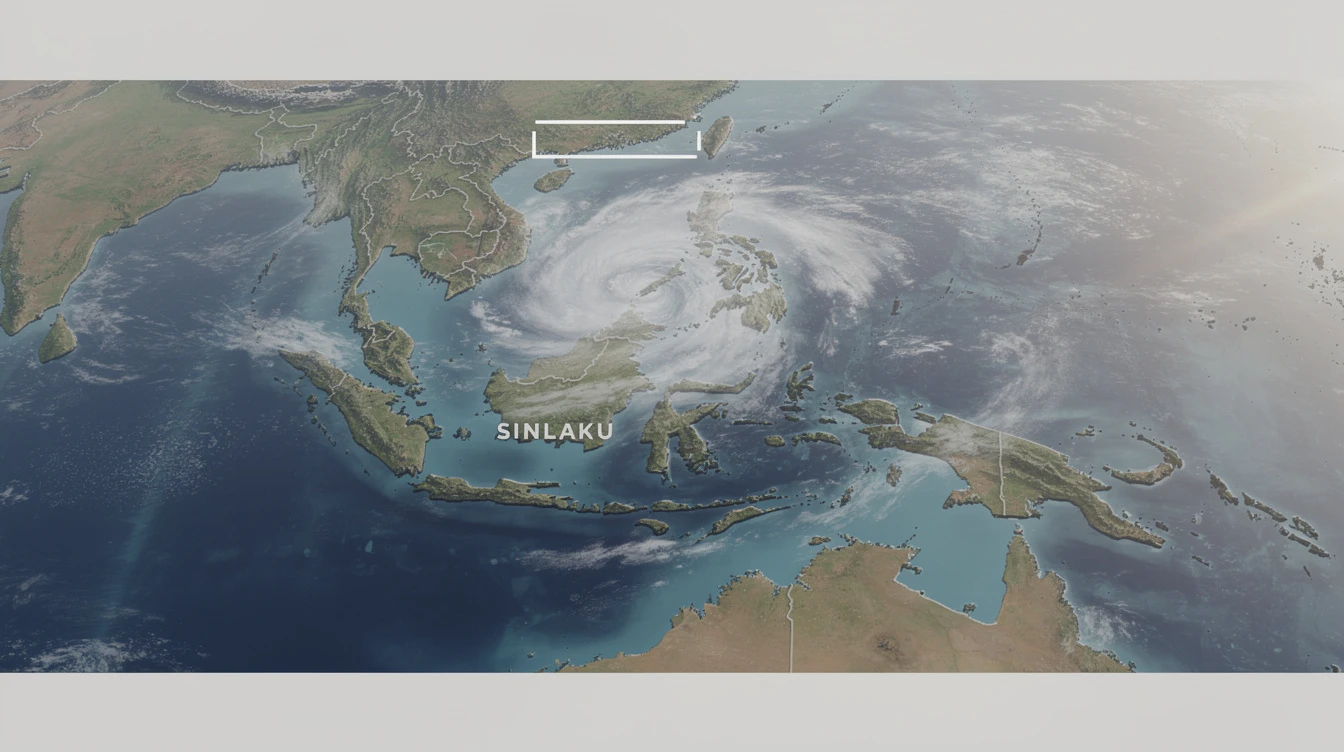
The Philippine Atmospheric, Geophysical and Astronomical Services Administration (PAGASA) officially ruled out Super Typhoon Sinlaku's entry into the Philippine Area of Responsibility (PAR) on Sunday, April 13, 2026.
PAGASA's 5 p.m. bulletin located the storm approximately 2,430 kilometers east of Eastern Visayas.
Sinlaku packed sustained winds of 215 kilometers per hour with gusts up to 265 kph.
The state weather bureau confirmed the typhoon's path will take it through the Micronesian region, passing Guam.
"Sinlaku will not affect the country's weather," PAGASA stated definitively in its forecast.
The announcement provides significant relief for disaster managers and coastal communities.
It allows national and local resources to remain focused on other pressing weather concerns.
Despite the good news on Sinlaku, PAGASA continues to monitor the broader Pacific basin.
The agency remains vigilant for any potential storm development that could threaten the archipelago.
Forecasters emphasize that the absence of Sinlaku does not signal the end of typhoon threats.
The Philippine climate is entering a transitional period between the dry and wet seasons.
PAGASA advises the public to stay updated through official channels for all weather developments.
Meanwhile, the prevailing weather pattern across the Philippines remains hot and dry.
The ridge of a high-pressure area continues to dominate the country's climate system.
This is leading to generally fair weather with isolated rain showers or thunderstorms.
These isolated thunderstorms are most likely to occur in the afternoon or evening.
Maximum temperatures are expected to range from 33 to 36 degrees Celsius in lowland areas.
Higher elevations may experience slightly cooler but still warm conditions.
The public is advised to take necessary precautions against heat-related illnesses.
Staying hydrated, avoiding prolonged sun exposure, and using protection are crucial.
This weather scenario is typical for April, which is historically a hot month.
The dry conditions also elevate fire risks, particularly in grassland and forest areas.
Local government units are urged to implement appropriate fire prevention measures.
Farmers are advised to manage water resources wisely for irrigation purposes.
The dry spell impacts agricultural planning and water supply management nationwide.
For Filipino communities abroad, especially in Guam and Micronesia, the news differs.
OFWs and their families in the storm's projected path should heed local warnings.
Sinlaku serves as a reminder of the volatile nature of Pacific weather systems.
The Philippines' location makes it perpetually vulnerable to tropical cyclones.
PAGASA's accurate tracking and early communication are vital for national preparedness.
This incident underscores the importance of investing in meteorological technology.
Enhanced forecasting capabilities directly save lives and protect property.
The decision not to hoist any storm signals allows normal economic activity to continue.
Transportation, fishing, and maritime operations can proceed without storm-related disruptions.
This is economically significant for a nation reliant on its seas and coasts.
The news is particularly welcome following recent weather disturbances in the country.
It provides a temporary respite for disaster response agencies and local communities.
However, complacency is not an option as the typhoon season approaches.
For the average Filipino, the immediate concern shifts from storm preparedness to heat management.
The continued dry spell affects daily life, agriculture, and water security.
This development matters profoundly to the Philippines as it averts a potential major disaster.
Accurate forecasting allows the government and citizens to allocate resources effectively.
It prevents unnecessary panic and prepares the nation for real, imminent threats.
For OFW families, it means one less major worry about their loved ones back home.
The focus now turns to managing the ongoing dry conditions and preparing for the rainy season ahead.