The Philippine Atmospheric, Geophysical and Astronomical Services Administration (PAGASA) stated Monday that localized thunderstorms will persist across the country, including Metro Manila, over the next 24 hours.
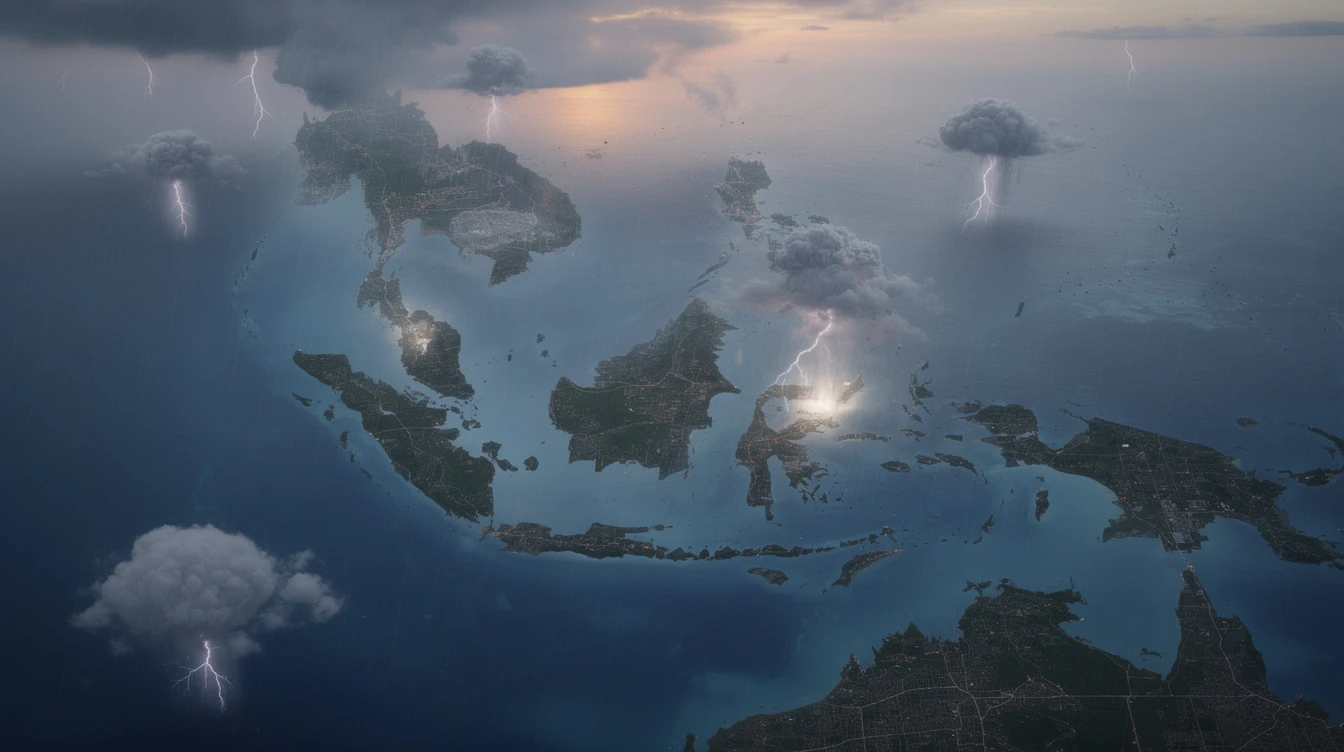
These weather systems will bring partly cloudy to cloudy skies with isolated rain showers or thunderstorms.
"It will be warm and humid, especially at noon," PAGASA forecasted. "Localized thunderstorms are likely in the afternoon and evening."
The bureau emphasized that these conditions are typical during the current inter-monsoon period.
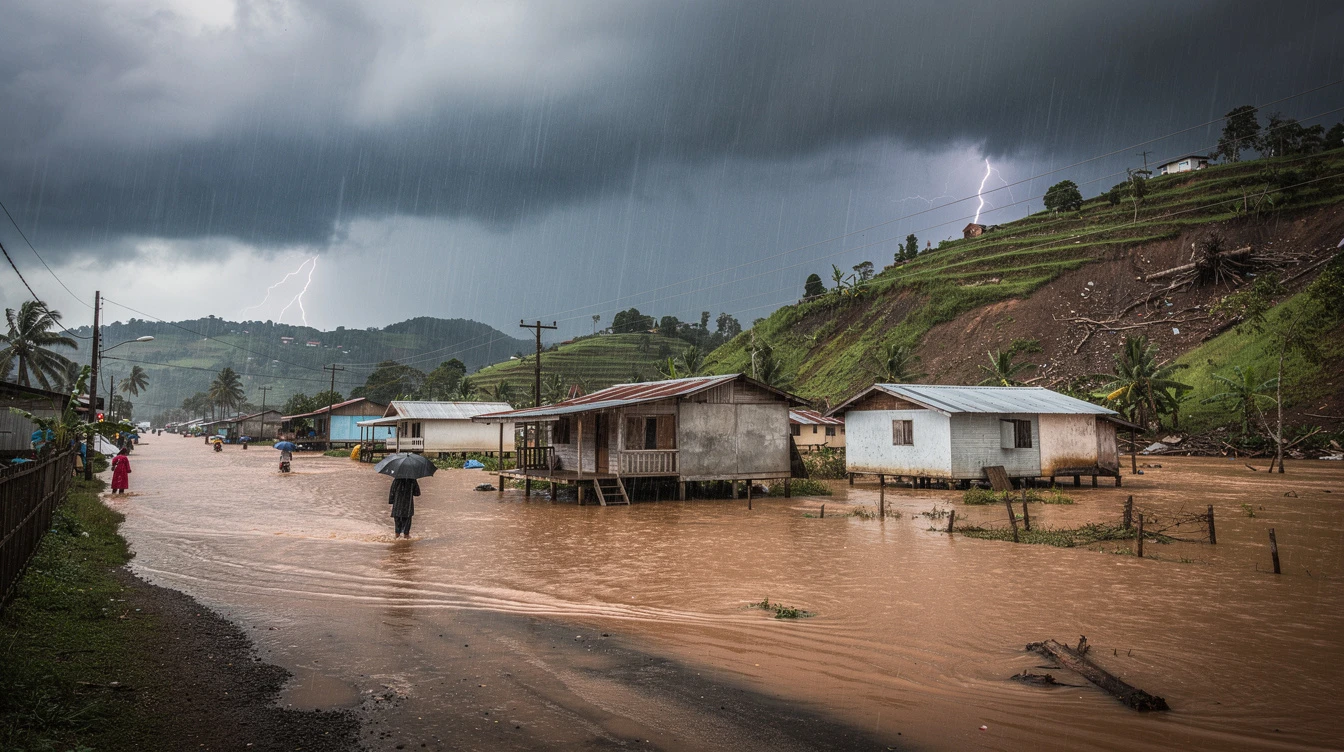
However, sudden heavy rains from thunderstorms can cause flash floods and landslides.
This forecast is particularly relevant for the capital region's commuters and outdoor workers.
PAGASA advises the public to monitor updates and prepare for sudden weather changes.
Residents in low-lying and mountainous areas are urged to take precautionary measures.
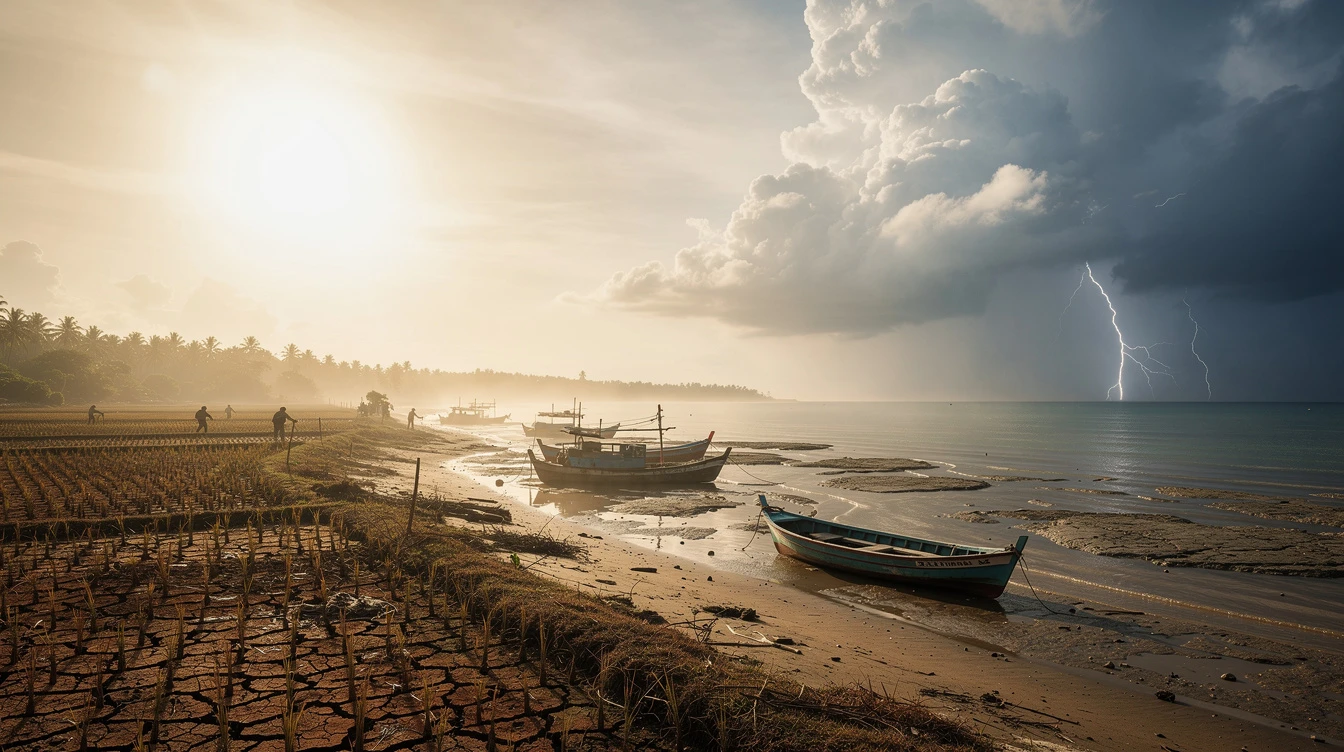
The weather pattern results from heated land masses interacting with moisture.
This leads to the formation of rain clouds primarily during peak afternoon heat.
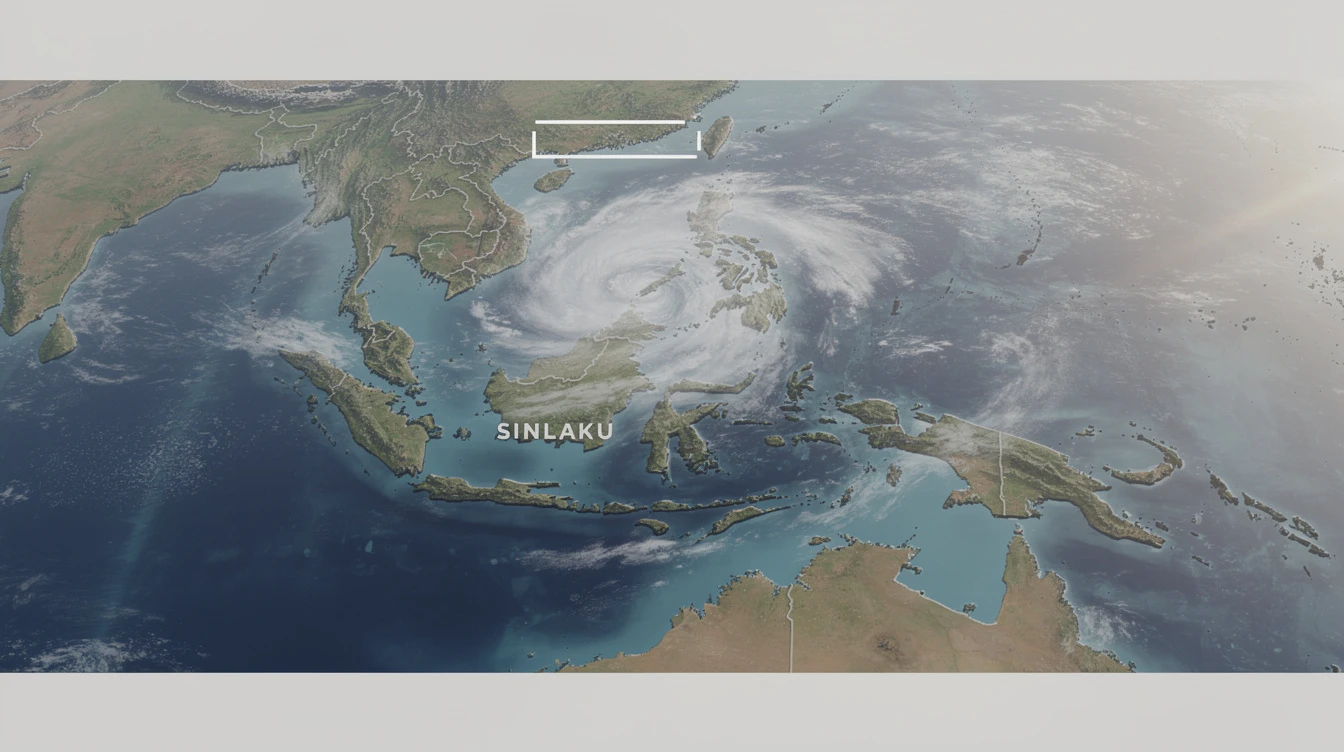
No low-pressure area or tropical cyclone is currently affecting the Philippine Area of Responsibility.
The prevailing weather system is purely driven by localized thunderstorm activity.
Authorities remind the public that such thunderstorms can be highly unpredictable.
They can intensify rapidly within a short period and a small geographic area.
Motorists are advised to exercise extra caution during afternoon commutes.
Potential hazards include reduced visibility, slippery roads, and strong gusts.
Local government units are monitoring flood-prone areas across urban centers.
The Metropolitan Manila Development Authority remains on standby for possible response.
PAGASA's forecast has significant implications for daily life and economic activity.
Outdoor vendors, construction workers, and transportation sectors are most affected.
Families planning outdoor activities are encouraged to have contingency plans.
The public is also advised to secure loose outdoor items that may be blown away.
Furthermore, staying informed through official PAGASA channels is crucial.
This weather scenario underscores the need for localized disaster preparedness.
Communities must be ready for sudden downpours even under seemingly clear skies.
For the millions of Filipinos, this forecast means navigating another day of humid heat.
It is followed by the potential for disruptive but brief heavy rainfall.
This pattern is expected to continue until a more dominant weather system develops.
The persistence of these conditions highlights the country's dynamic tropical climate.
It also tests the resilience of infrastructure and the adaptability of citizens.
Ultimately, this news matters deeply as it directly impacts safety, mobility, and livelihood.
Filipinos at home and abroad with families in storm-prone areas should take note.
Staying weather-aware is a daily necessity in the Philippine archipelago.