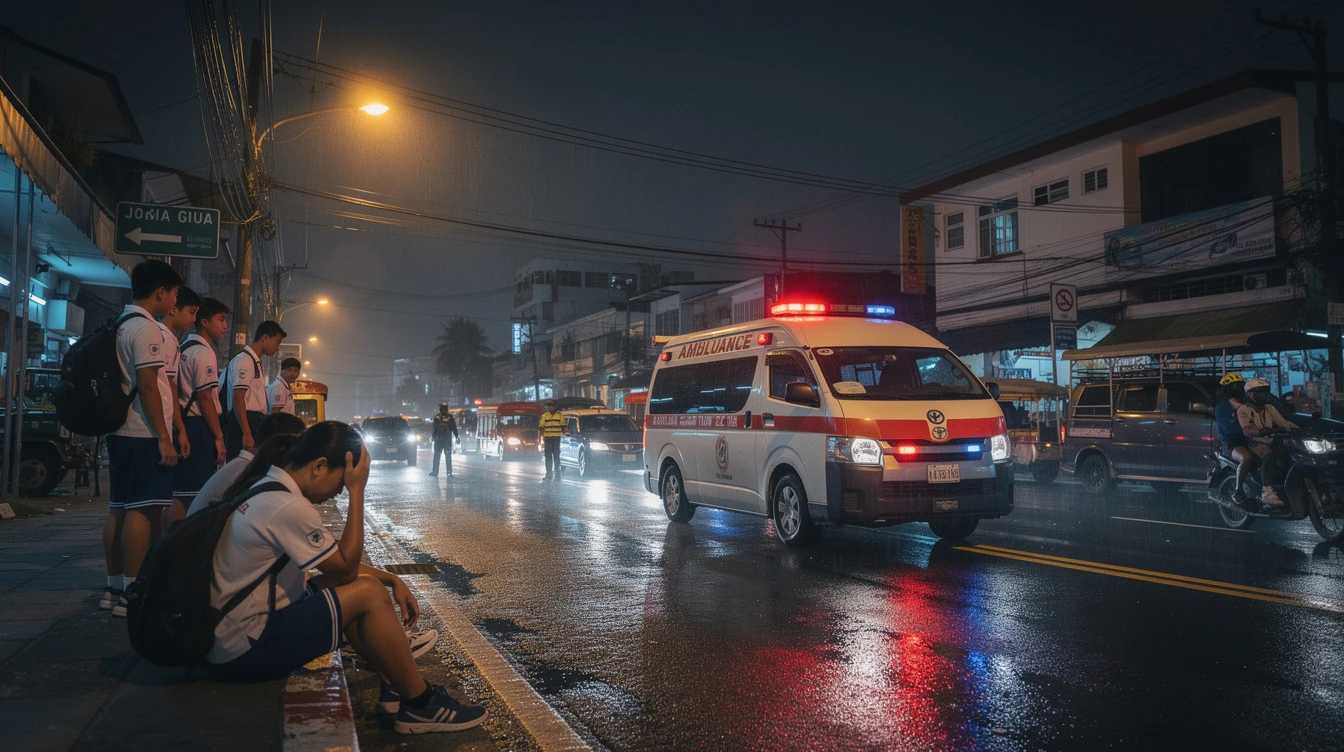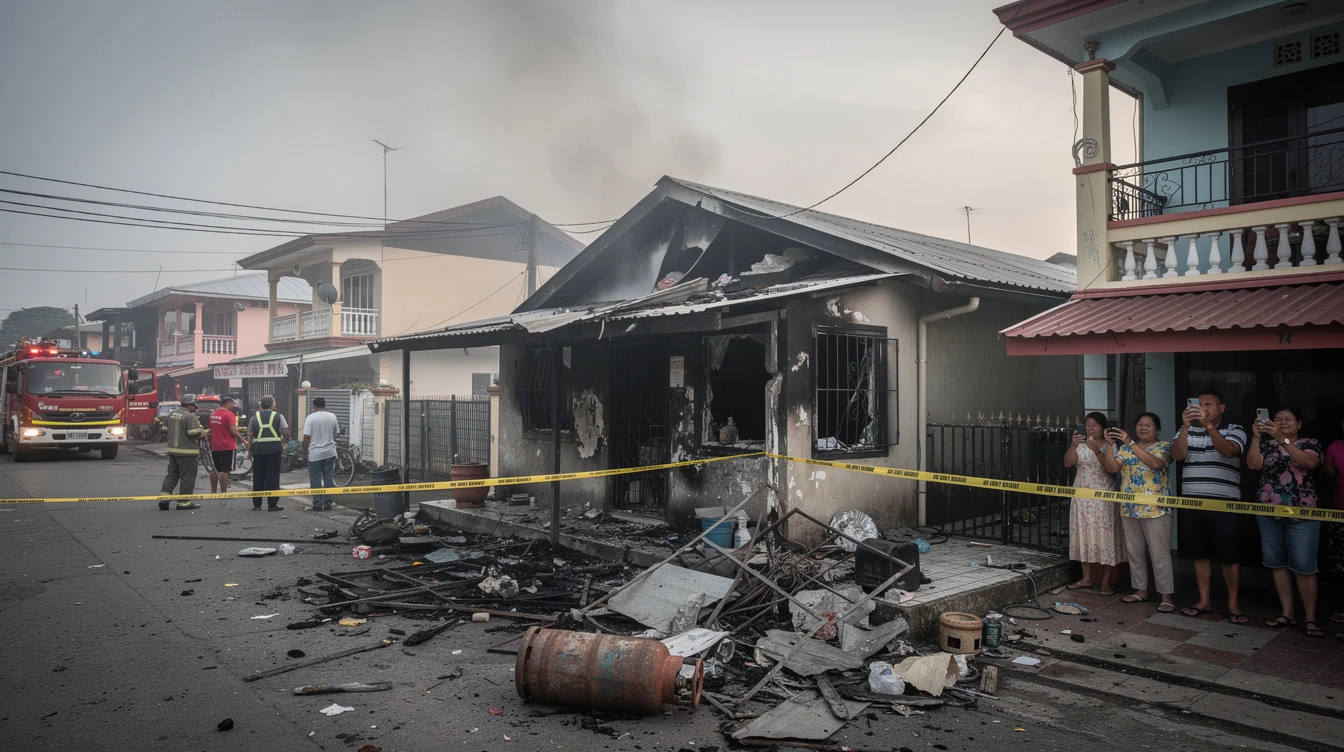
A deadly explosion involving liquefied petroleum gas (LPG) tanks in Dasmariñas, Cavite, which killed two people on Thursday, April 17, did not occur at a refilling station, according to the property owner. The blast, which occurred shortly after 9 a.m. in Barangay Salawag, dismembered the bodies of a 20-year-old and a 65-year-old victim.
The owner's clarification contradicts initial reports from investigators and neighbors, who described the site as housing an LPG refilling shop. This discrepancy raises immediate questions about illegal storage and regulatory oversight for Filipino households and businesses that commonly use LPG.
Per a report from GMA News, the owner insisted the property was a private home, not a commercial refilling station. The explosion ripped through several neighboring properties, indicating the force of the blast and the volume of gas involved.
Authorities are now investigating whether LPG tanks were being stored or handled illegally at the residential address. The incident highlights a critical safety issue in the Philippines, where LPG is a primary cooking fuel for millions of families.
Neighbors reported hearing a loud explosion followed by a fire. The subsequent blaze complicated rescue efforts and forensic investigation at the scene. Probers from the local police and fire department are leading the inquiry.
The Bureau of Fire Protection (BFP) and the Department of Energy (DOE) are expected to examine compliance with safety standards. Illegal refilling and improper storage of LPG cylinders are persistent problems in many Philippine communities.
This tragedy underscores the dangers of substandard or unauthorized LPG operations, often operated from residential areas to avoid detection. Consumers seeking cheaper fuel may inadvertently patronize these risky setups.
For the victims' families, the incident is a devastating loss. The community in Salawag is now grappling with the aftermath, including property damage and trauma from the violent explosion.
The local government of Dasmariñas will likely face calls for stricter enforcement of zoning and business permits. Ensuring only accredited refillers operate is a matter of public safety for all residents.
Nationwide, the Philippine LPG Industry Association has repeatedly warned against the dangers of \"refilled\" or \"reconditioned\" tanks that do not meet official standards. This incident may prompt a renewed safety campaign.
For Filipino readers, especially overseas workers with families back home, this event is a grim reminder to verify the legitimacy of their LPG suppliers. Ensuring proper cylinder handling and storage at home is equally crucial.
The Cavite explosion serves as a critical wake-up call for regulators and consumers alike. Strengthening enforcement and public awareness is essential to prevent similar tragedies in densely populated neighborhoods across the archipelago.